Luxury Authentication Analyst
Luxury accessories authenticator. Covers small leather goods, belts, and eyewear.
Published September 2026 · Contact
What a Free Serial Number Checker Is For
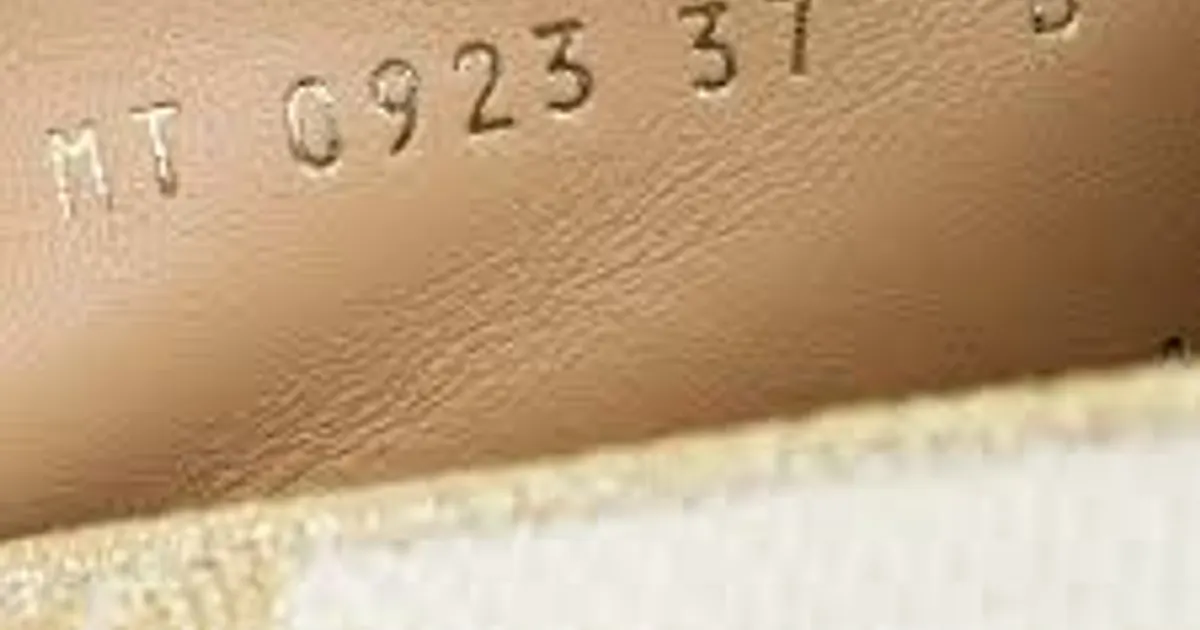
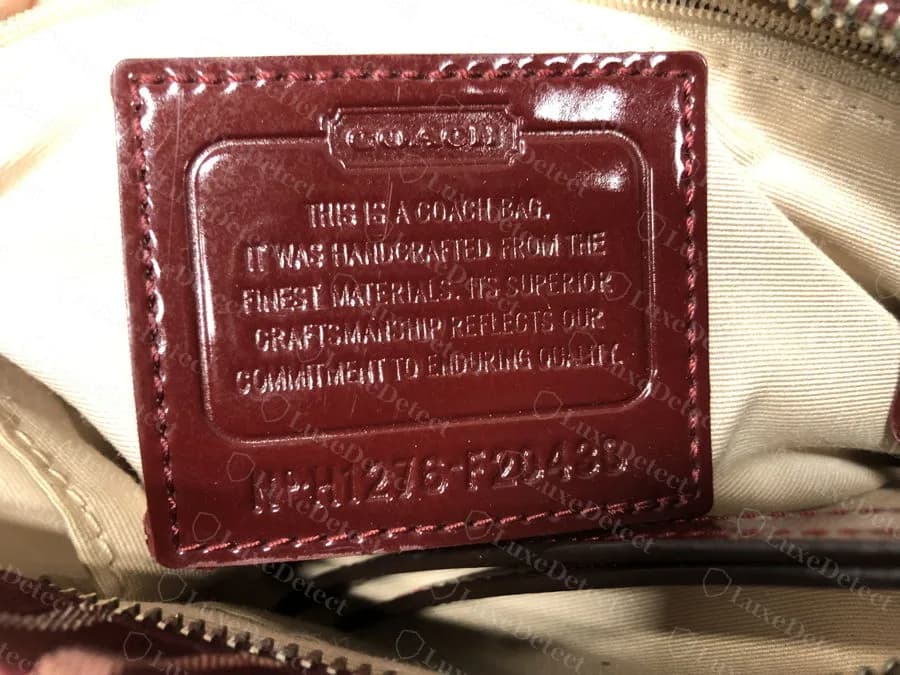
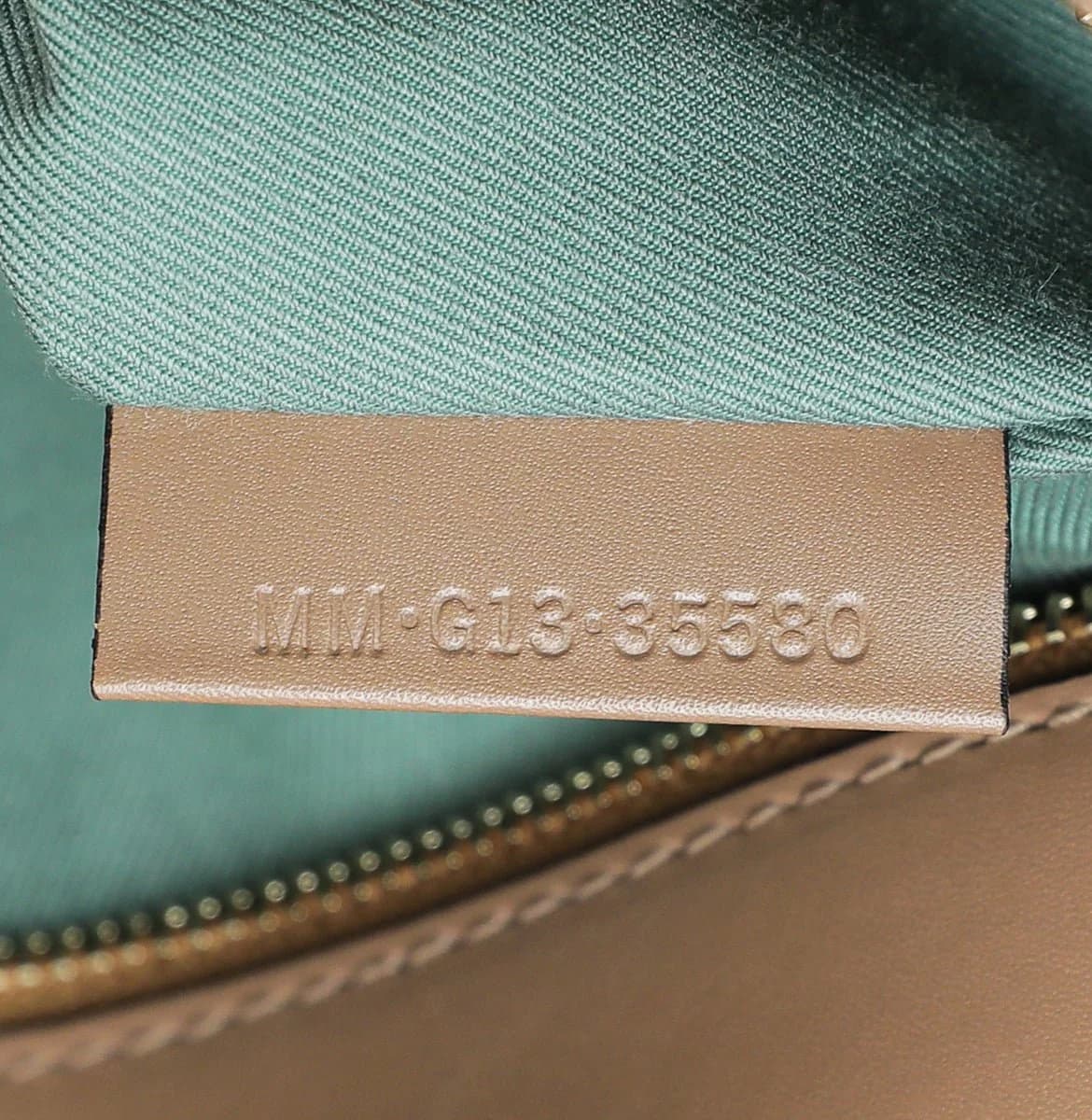
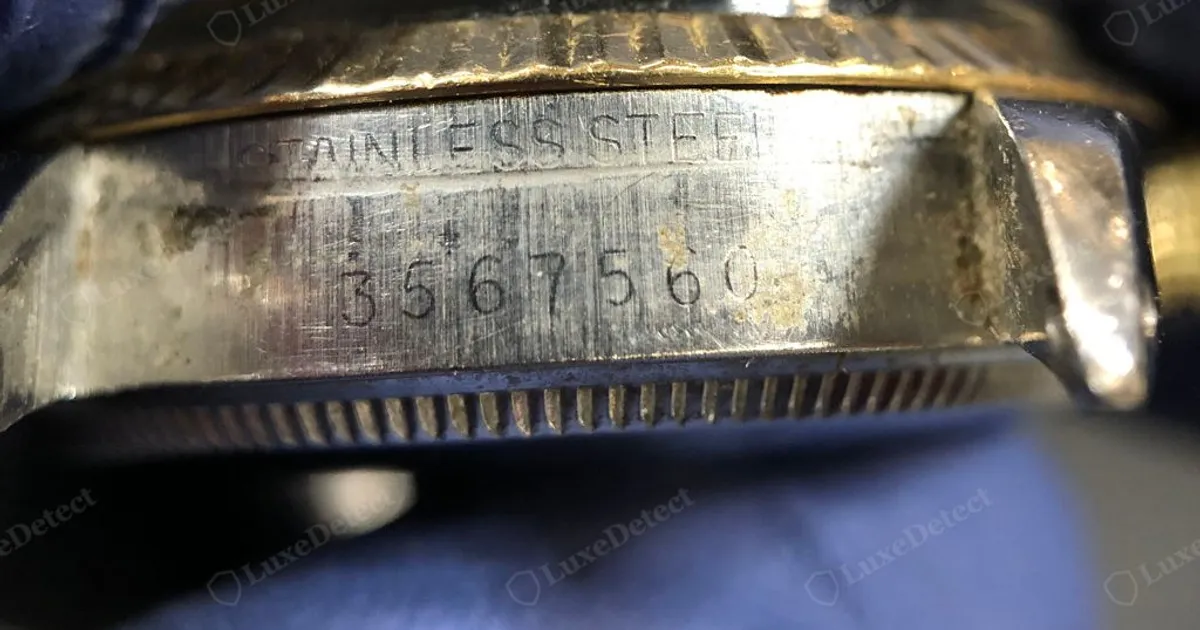
A free serial number or date-code checker takes the characters stamped, embossed, or heat-pressed inside a luxury item and tells you two things: the production era the format points to, and whether that format contradicts anything else about the item — a factory code that disagrees with the "Made in" label, a date later than the model existed, a format that was never used.
That is genuinely useful. It is also the entire scope. (All of LuxeDetect's checkers are listed on the free tools page.) None of these tools — not this site's, not anyone's — can tell a real bag from a good fake, because the format is public and counterfeiters copy it correctly. Every serious free checker says so on its own page. This comparison is about which tool covers your brand, how specific an answer it returns, and how honest it is about that ceiling.
The Tools, Compared
| Tool | Brands covered | What it returns | Free? |
|---|---|---|---|
| LuxeDetect checkers | Bags: Louis Vuitton, Chanel, Hermès, Dior, Gucci, Prada, Goyard, Saint Laurent, Balenciaga, Bottega Veneta, Fendi, Coach, Bvlgari. Style codes: Burberry. Watches: Rolex, Omega, Cartier, Patek Philippe, Hublot. Plus a jewelry hallmark checker | Production era or exact month/year where the format encodes it; a format-vs-era contradiction check; an explicit "what this can't tell you" section per brand | Yes, no sign-up |
| LegitGrails checkers | ~24 brands including several watch houses (Omega, Panerai, IWC, JLC, Vacheron) | Production year or era; some brands (e.g. Prada) correctly return "no date information" | Yes, funnels to a paid authentication service |
| Bagaholic / brand-blog decoders | Mostly Louis Vuitton, some Chanel | LV date-code breakdown by era; strong on the historical format changes | Yes |
| Brand's own resources | Varies; most brands publish nothing | Occasionally a boutique lookup (LV RFID via the app); usually nothing public | Yes where it exists |
Where They Agree
Read the fine print on any of them and the same sentence appears:
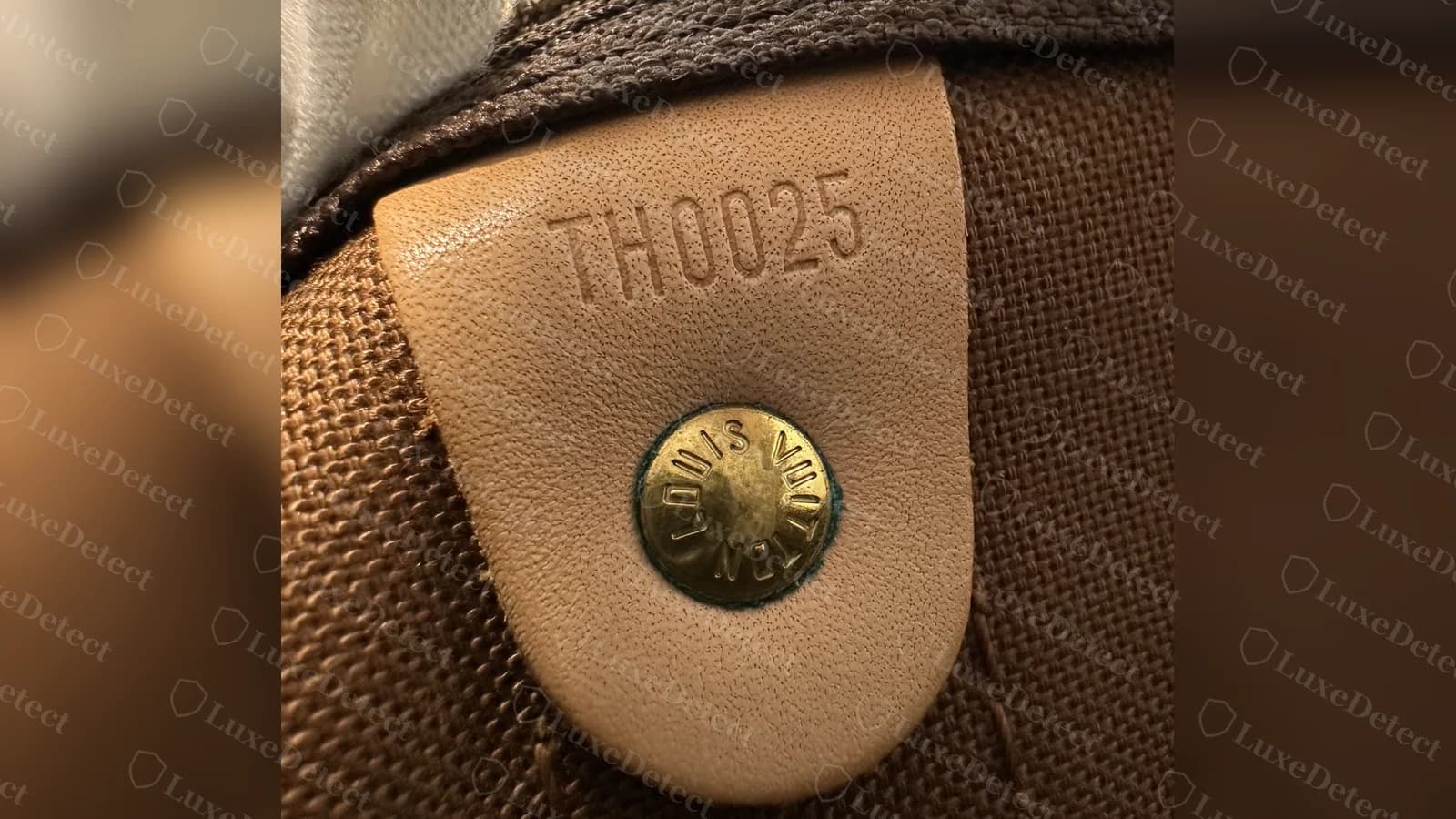
- A correct code does not prove authenticity. LegitGrails' checker pages make the point that a code can place a piece in its production run but never proves it genuine. LuxeDetect's LV date code checker says it plainly: "A date code alone does not prove authenticity."
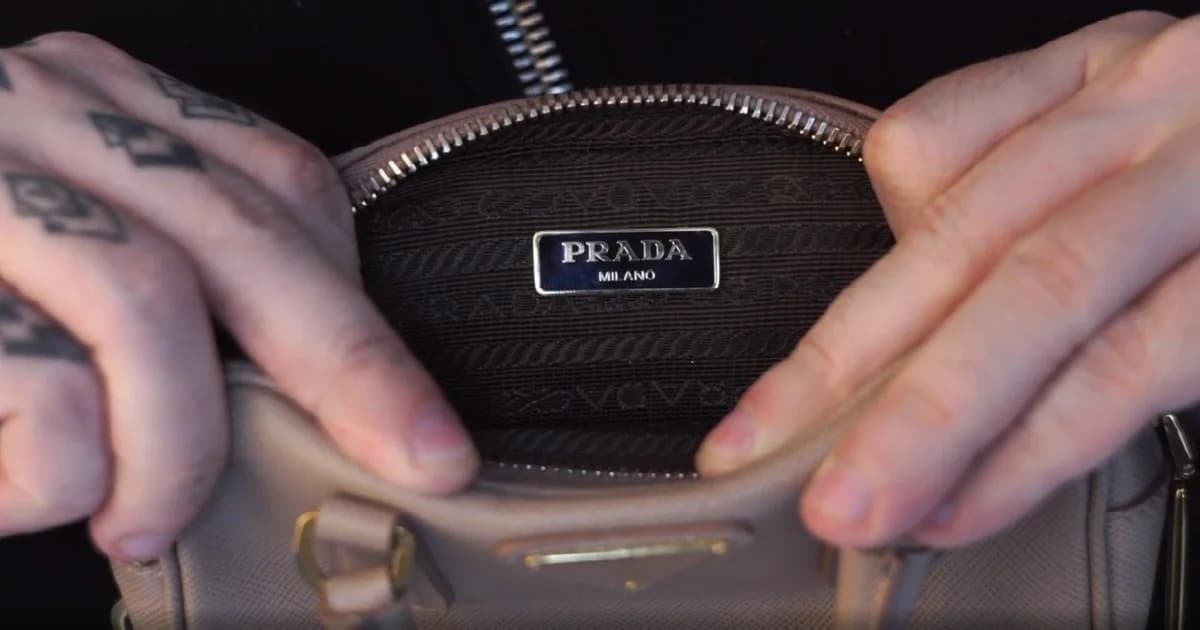
- A tool that invents precision is worse than one that admits a gap. A year returned for a code that holds no year is a guess presented as an answer. Prada is the usual example: its bags have no unique serial, and the article code on the card names a style, not a date, so an honest Prada checker reads the style line and nothing more.
- The contradiction is the value. What a code reliably catches is internal inconsistency — the format says 2008, the seller says 1990s; the factory letter says Spain, the stamp says France. Those are real signals worth acting on.
How to Use One Well
- Decode the code first. Note the era and factory it points to.
- Check it against the listing. Does the era match what the seller claims? Does the factory code match the "Made in" label? A mismatch is a reason to walk away.
- Then ignore the code and look at the bag. Leather grain, hardware weight, stitch density, heat-stamp depth, lining construction, edge paint. This is where authenticity is actually decided, and no free tool touches it.
- For anything expensive or borderline, get a person to look. A professional authentication examines the physical build and issues a verdict a code check cannot.
A code that checks out doesn't prove the item is real. Counterfeiters copy genuine codes.
Our authenticators check the stamps, hardware and construction against verified references. You get a verdict within 24 hours, and a Certificate of Authenticity if the item passes.
Authenticate My Item →FAQ
Which free serial number checker is the most accurate?
"Accurate" is the wrong frame — every one of these decodes the same public formats, so they return the same era for the same code. The real differences are coverage (which brands), specificity (era vs exact month/year), and honesty (whether the tool admits when a code holds no date). Pick the one that covers your brand and tells you plainly what it cannot determine.
Can any free checker tell me if my bag is real?
No. The format a serial or date code follows is public and counterfeiters reproduce it correctly, so a code can decode cleanly inside a fake. A checker rules out contradictions; it cannot confirm authenticity. That requires a full authentication of the item.
Why do some checkers return "no date" for Prada?
Because Prada bags have no unique serial number. The article code on the authenticity card names a style, not a production date, the short number on the small white tag inside is a production code that many bags share, and Prada keeps no public database mapping either one to a bag. A checker that returns a specific year for a Prada code is guessing. An honest one reads the style line and stops there.
Do I still need a paid authentication if the code checks out?
For a low-value item you are confident about, a clean code plus a careful look at the construction may be enough. For anything expensive or a borderline case, a professional authentication is the only thing that produces a verdict — the code check is step one, not the answer.
Looking for a Simpler Alternative?
LuxeDetect offers professional authentication for 374+ brands — with results delivered to your inbox in 2–24 hours. Trusted by 100K+ users worldwide with a 99.3% accuracy rate.
Try LuxeDetect →