Vintage Luxury & Handbag Authentication Specialist
Handbag authentication specialist. Has reviewed submissions across Hermès, Chanel, Louis Vuitton, and Dior since 2019.
Published November 2026 · Contact
How to Tell if a Vintage Dior Bag Is Real: The Short Answer
A real vintage Dior bag fits its own era all the way through. The interior stamp, the origin line, the date code (or the lack of one), the canvas, the hardware and the lining all belong to the same period, and the model existed when the bag claims to have been made. Worn gold, soft corners, a faded stamp and a missing authenticity card are normal on a 25-year-old bag. A printed canvas where the Dior letters should be woven, a code in a format the house did not use, or a model sold years before it was designed is not.
Most "vintage Dior" for sale today comes from two stretches: the Marc Bohan years that gave the house its Oblique monogram, and the John Galliano years from 1996 to 2011, which produced the Saddle, the Malice and the Gaucho, plus the first Lady Dior bags from the mid-1990s. This guide covers what each of those looks like, what the interior marks and date codes of the period do and do not tell you, and which "red flags" are really just age.
Worth knowing
Dior has never published a key to its date codes, and resellers disagree about when the codes began and how to read them. Where the sources disagree we say so rather than pick one. This guide is built from published references and our own [Dior date code guide](/blog/dior-date-code-guide), not from a set of counterfeit vintage bags we can compare. A bag that passes every check here is consistent with a genuine one, not confirmed.
What to check, ranked by reliability
| Checkpoint | Reliability | What it tells you |
|---|---|---|
| 4. Canvas, Weave and Pattern Alignment | ★★★★★ | Letters printed on the surface instead of woven in, or a repeat that breaks at the seams, rejects a monogram bag. |
| 1. Does the Whole Bag Fit One Era? | ★★★★★ | A model, code or extra that could not have existed in the claimed year contradicts the story on its own. |
| 2. The Interior Stamp and Origin Line | ★★★★★ | A printed or badly spaced stamp is a strong reject; the country named is never a tell. |
| 5. Hardware and Engraving | ★★★★★ | Shallow, off-centre engraving or light, brassy fittings stand out against genuine hardware of the same period. |
| 3. Date Codes of the Era | ★★★★★ | Catches a format that did not exist yet; no code is normal on earlier bags and a valid code proves little. |
| Vintage Dior Eras at a Glance | ★★★★★ | Dates the model and rules out a mislabelled one; will not catch a fake from the right era. |
| 6. Lining, Leather and Construction | ★★★★★ | Supports the other checks, but age and repairs look the same on genuine and fake bags. |
| What the Box, Card and Dust Bag Do and Do Not Prove | ★★★★★ | Packaging is easy to copy and often lost, so it is context only. |
Vintage Dior Eras at a Glance
"Vintage" is used loosely. The table puts the eras in order and says what each means when you check a bag. Dates come from the sources listed in the notes after the table; where they differ we give a range.
| Period | What happened | What it means when you check a bag |
|---|---|---|
| 1967 to 1969 | Marc Bohan creates the Oblique monogram (1967); it is shown publicly in 1969 | An Oblique bag can be from the late 1960s onward, so the pattern alone dates nothing |
| 1989 to 1996 | Gianfranco Ferré is Dior's artistic director | The first Lady Dior bags (first called the Chouchou) belong here |
| Mid-1990s | The Chouchou is renamed the Lady Dior after Diana, Princess of Wales, is given one in September 1995 (sources date the rename to 1995 or 1996) | A bag sold as a "Lady Dior" from before the mid-1990s is mislabelled |
| 1996 to 2011 | John Galliano's years at Dior | Bolder logos, decorative hardware, canvas and nylon bags |
| 1999 to 2000 | The Saddle bag (shown for spring/summer 2000; some sources say 1999) and the Malice appear | A Saddle or Malice dated before 1999 does not fit |
| Roughly late 1990s | Many references place the start of Dior date codes here (about 1997), others earlier | Bags before this usually have no code, and that is normal |
| About 2000 to the mid or late 2000s | Codes of two letters and four digits | A short code is normal for this period |
| Mid or late 2000s onward | Codes of two digits, two letters and four digits (such as 08-MA-0092) | A hyphenated code on a "1990s" bag is a contradiction |
| 2018 | Maria Grazia Chiuri revives the Saddle | A Saddle with a modern chip or card is the revival, not a vintage one |
The Oblique dates come from heritage histories and the Lady Dior dates from WWD, Forbes and Rebag, which differ by a year on the launch and the rename. The Saddle date is the most consistently reported one, and the Malice dates come from retailer listings rather than Dior archives. Treat every date as approximate.
Iconic Vintage Dior Bags and What to Check on Each
Confirm the model from the bag, not from the listing. Sellers use "Trotter", "Oblique", "Saddle" and "Galliano" loosely, and the details that are right on one model are wrong on another.
Oblique and "Trotter" Canvas
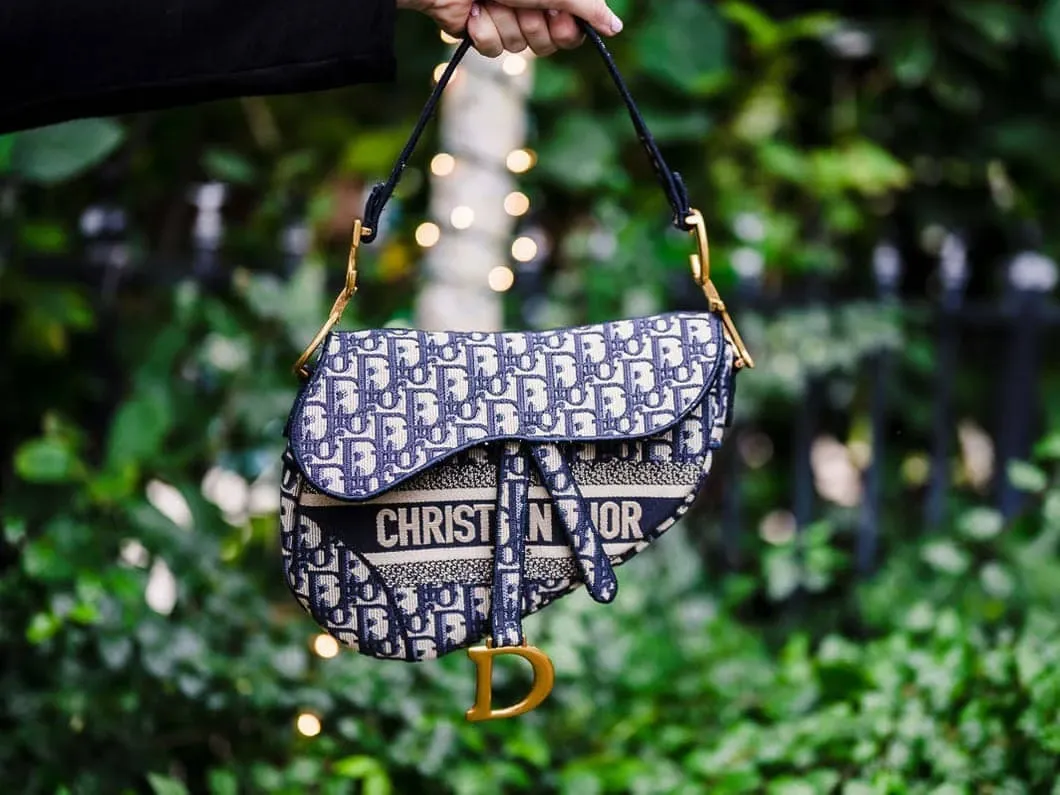
Oblique is Dior's monogram of repeated Dior letters, created under Marc Bohan in 1967. "Trotter" is a resale-market name rather than a Dior term, and sellers use it mostly for the late-1990s and early-2000s monogram bags: navy and beige is the best known, though pink, red, brown and black also appear. It turns up on Saddle bags, Boston bags, shoulder bags, totes and pochettes. Because sellers use Trotter and Oblique for the same canvas, do not treat either word as evidence. Look at the canvas itself, as in the canvas section below, and our Dior Saddle bag guide covers the Saddle in detail.
The Saddle (Galliano, 2000)
An asymmetric half-moon with a stirrup-style D and a strap that sits on the shoulder. It was shown on John Galliano's spring/summer 2000 runway and was revived by Chiuri in 2018. That makes the original Saddle a bag of the early 2000s, and the revived one a different production era with different interior marks.
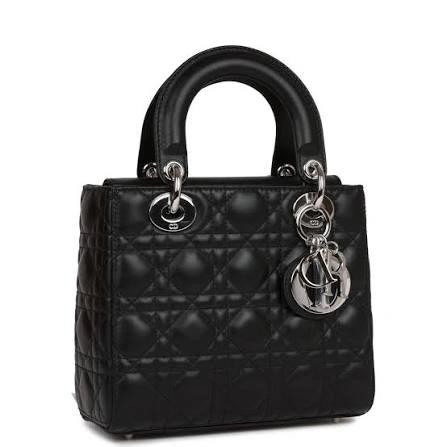
The Early Lady Dior (Chouchou)
A structured tote with cannage quilting and dangling charms, designed under Gianfranco Ferré and launched in the mid-1990s as the Chouchou. Dior renamed it for Princess Diana after she was given one in September 1995. Early examples can carry no date code at all, and a missing code on a bag this old is not a reason to doubt it. For the construction checks (cannage alignment, charms, stamp) use our Lady Dior guide.
Malice and Gaucho (Galliano Years)
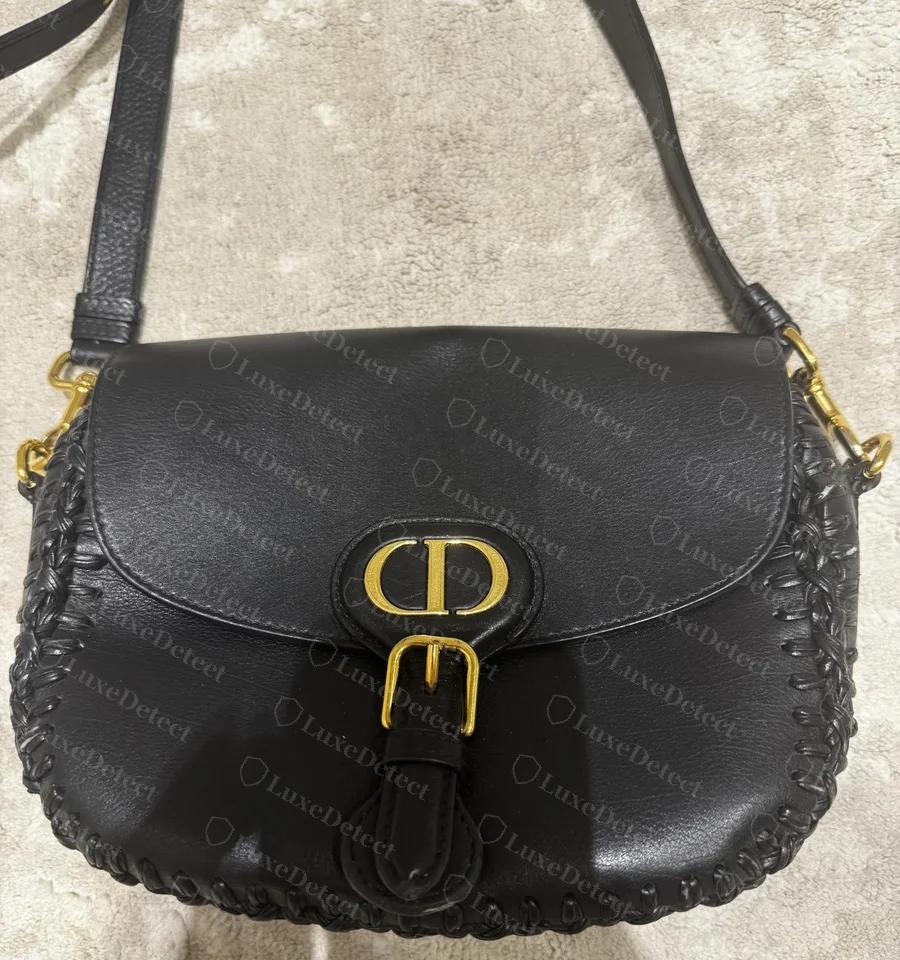
The Malice is a Galliano-era bag that appears in many versions, in nylon, patent, denim, pony hair and snakeskin, often with a half-moon logo plaque or beaded trim. Retailers date it to about 1999 and 2000. The Gaucho is a slouchy leather bag with oversized buckles and equestrian details that one guide places in the mid-2000s. We could not find a Dior source for either bag's exact launch year, so we do not give one. A Malice or Gaucho should read as Galliano-era: bold hardware, early-2000s shape, and interior marks of that period.
Street Chic and Other 2000s Hobos
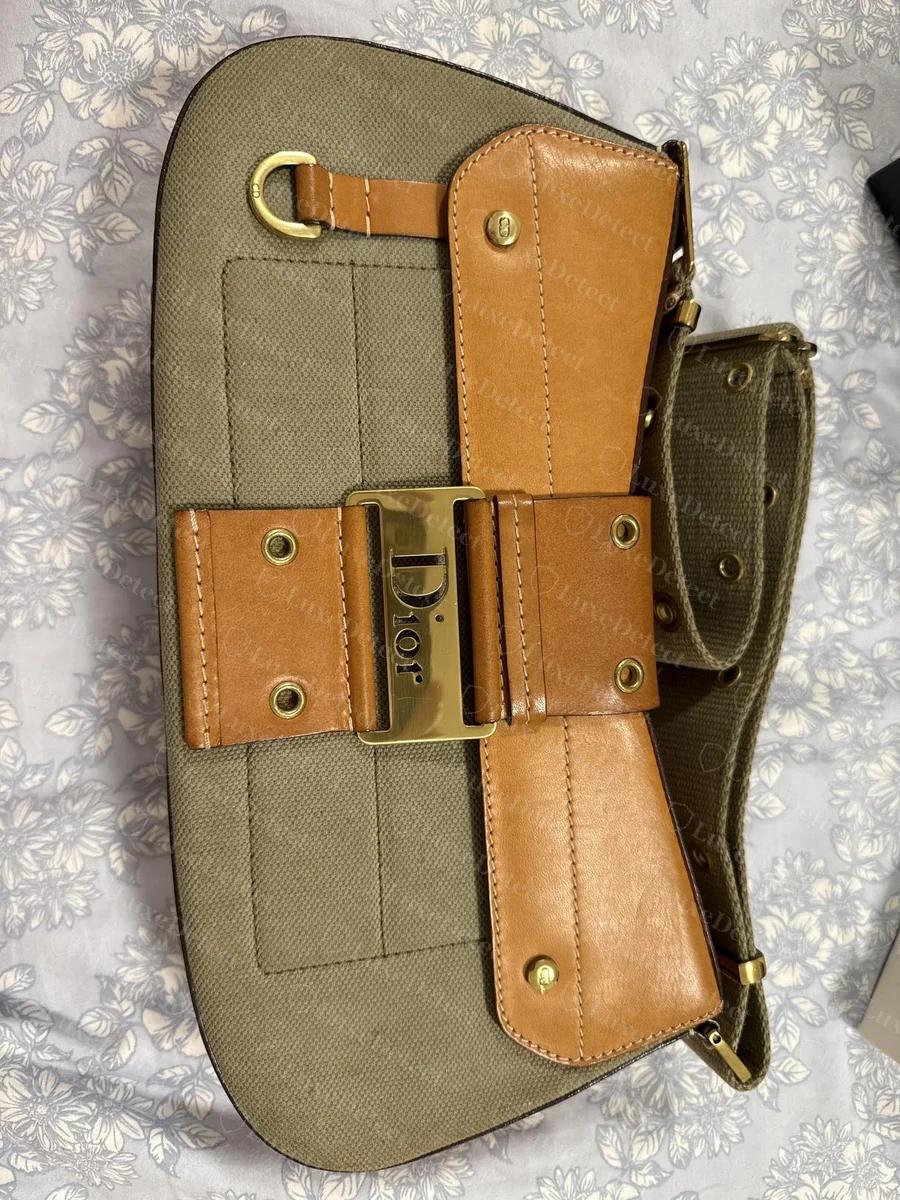
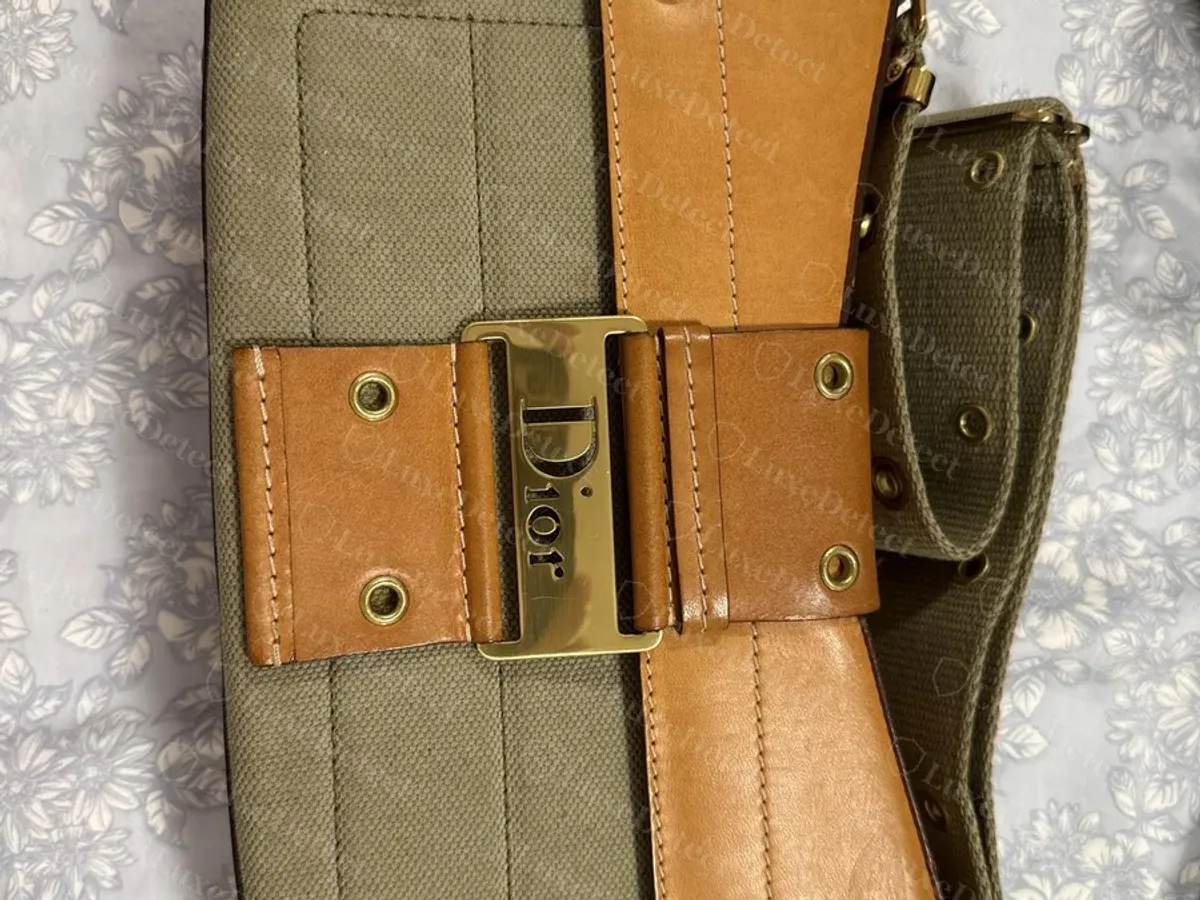
Canvas and leather hobos with a wide buckled strap and a cut-out Dior plate come from the same years. We cover one genuine example in our Street Chic guide.
| Model | Era to expect | Check first |
|---|---|---|
| Oblique / Trotter canvas | 1967 pattern; most "Trotter" bags late 1990s to early 2000s | Woven (not printed) letters, aligned seams |
| Saddle | Spring/summer 2000 to the mid-2000s; revived 2018 | Shape, D hardware, a code that fits the period |
| Lady Dior (Chouchou) | Mid-1990s onward | Cannage, charms, stamp |
| Malice | About 1999 to 2000s | Plaque and hardware, interior stamp |
| Gaucho | Mid-2000s per one source | Buckles, leather, stamp |
Does the Whole Bag Fit One Era?
Most fakes sold as vintage do not fail on one dramatic detail. They mix periods: a Saddle shape with a modern hyphenated code, a "1980s" bag with a Galliano-style logo plate, a "Chouchou" with a chip card. Before you look at any single mark, ask whether the model, the code, the hardware and the lining could have existed together in one year.
| Element | Genuine vintage bag | Counterfeit sold as vintage |
|---|---|---|
| Model and date | The model existed in the claimed year | A Saddle or Lady Dior sold as from before the model was designed |
| Code format | Absent, or a format that fits the period | A modern hyphenated code on a "1980s" or early "1990s" bag |
| Hardware style | Matches the line (simple earlier trim, bolder Galliano-era hardware) | Modern-looking hardware on a bag claimed as 1980s or 1990s |
| Extras | Often only the bag; cards and dust bags are frequently lost | A chip, NFC card or modern dust bag presented as period-correct |
Red flag
A bag whose model, code format or extras could not have existed together in the year claimed has contradicted itself, and no single matching mark fixes that. Stop and ask for proof of the model's launch year before anything else.
The Interior Stamp and Origin Line
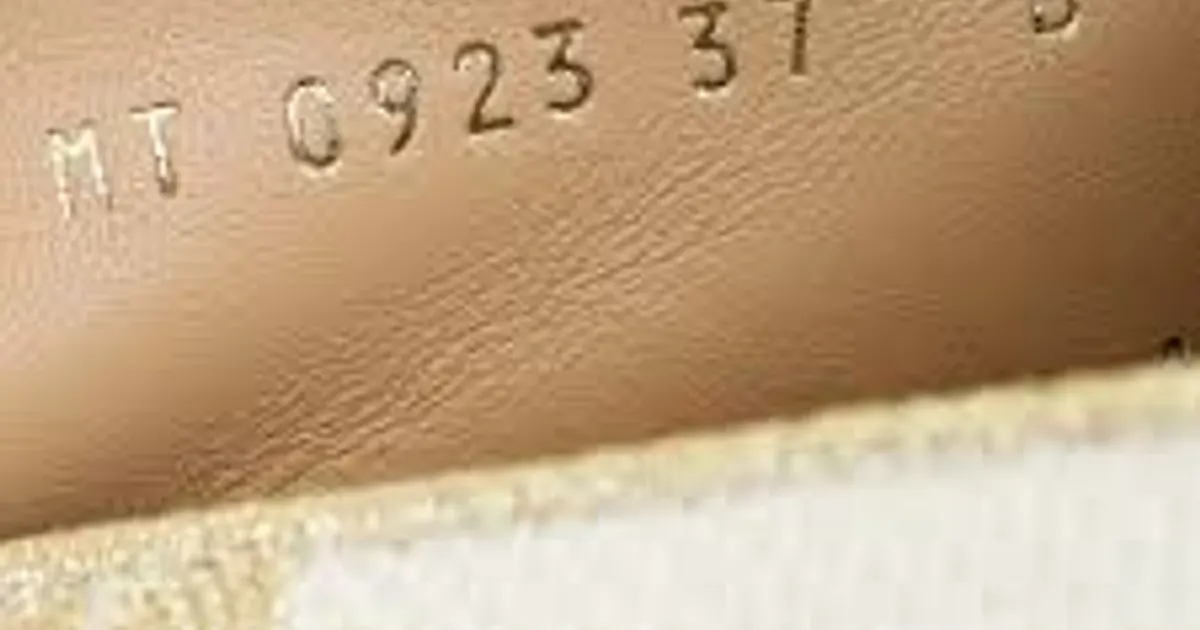
Dior heat-stamps "Christian Dior" with PARIS or the country of manufacture below it, usually on a leather tab or directly into the lining. The stamp should be crisp, evenly pressed, centred and well spaced; a retailer guide notes its colour should match the hardware. One reference describes bags from before the 1990s as often carrying a woven fabric label reading "Christian Dior" and "Made in France" instead, and says vintage labels vary by decade, line and category, so there is no single universal tag. Judge the quality of the print and the stitching rather than looking for one correct label.
The country line varies and is never a tell by itself. Genuine Dior bags are marked Made in France, Made in Italy and Made in Spain depending on the model and the period; one reseller reports Spain as common on 1990s and early-2000s bags. A "Made in Italy" bag is not fake for being Italian, and a "Made in France" bag is not genuine for being French.
| Element | Authentic | Counterfeit |
|---|---|---|
| Stamp depth | Pressed into the leather at an even depth | Printed or inked flat on the surface, or pressed unevenly |
| Lettering | Fine, evenly spaced letters in a consistent typeface | Letters too thick, too shallow or awkwardly spaced |
| Position | Centred and level on the tab or lining | Crooked or off-centre |
| Origin line | France, Italy or Spain, laid out like the rest of the stamp | A different style or size from the "Christian Dior" line |
Red flag
A "Christian Dior" stamp that is printed rather than pressed, or lettering that does not match the spacing and depth of a verified stamp from the same era, is a strong reason to reject the bag.
Worth knowing
A faint stamp is not a fake stamp. Gold foil wears off and blind stamps soften over decades. Compare against a verified bag of the same model and period, not against a new bag.
Date Codes of the Era
Unlike a Louis Vuitton, many vintage Dior bags have no date code at all. Sources disagree on when Dior began coding. Several vendors say about 1997; our own date code guide reads two-letter, four-digit codes as far back as the early 1990s; and a few say the earliest bags carried only a Made in line on the back of the tag. Because Dior publishes no key, we treat the following as a rough picture and not a rule.
| Period | Typical format | Note |
|---|---|---|
| Before the late 1990s | Often none | A missing code is normal |
| Late 1990s to the mid or late 2000s | Two letters then four digits, sometimes with a space | The letters are usually read as the production site |
| Mid or late 2000s onward | Two digits, two letters, four digits | The same layout as later Louis Vuitton codes |
Two cautions apply. First, resellers read the four digits two different ways: one as month then year, another as alternating month and year digits. Our checker below and the guide above read them as month and year, and note that the leading digits of a modern code are not always a plausible year, so use a decoded date as an estimate. Second, a code is a batch marker, not a unique serial number, and fakes copy real codes.
What the code can catch is a contradiction: a hyphenated code on a bag claimed as 1980s, a month above 12 in an older two-letter code, or a code from after the model was discontinued.
Worth knowing
A date code gives the production period, not the verdict. A code that decodes cleanly means only that the bag has not contradicted itself yet.
Canvas, Weave and Pattern Alignment
On vintage monogram bags the letters are woven into the fabric as a jacquard, so the threads form the pattern. Canvas that looks printed onto the surface is a red flag. The pattern should be even and symmetrical and should line up where panels meet at seams and corners; an Oblique repeat that breaks at a seam or curve is a common sign of a counterfeit.
| Element | Authentic | Counterfeit |
|---|---|---|
| Letters | Woven into the fabric, readable from the back | Printed on the surface, flat or glossy |
| Repeat | Even size and spacing across the panel | Letters of varying size or crowded edges |
| Seams | Pattern continues across seams and corners | Pattern cut off or mismatched at seams |
| Structure | The canvas holds its shape | Thin, floppy or plastic-feeling fabric |
Red flag
A monogram that is printed on rather than woven in, or a repeat that does not line up at the seams, is a strong reason to reject a vintage Dior canvas bag.
Worth knowing
Thirty-year-old canvas can fade, stain or fray at the corners, and the leather trim can darken. That is age. Fading that is even across the whole bag is more reassuring than a bright patch beside a faded one.
Hardware and Engraving
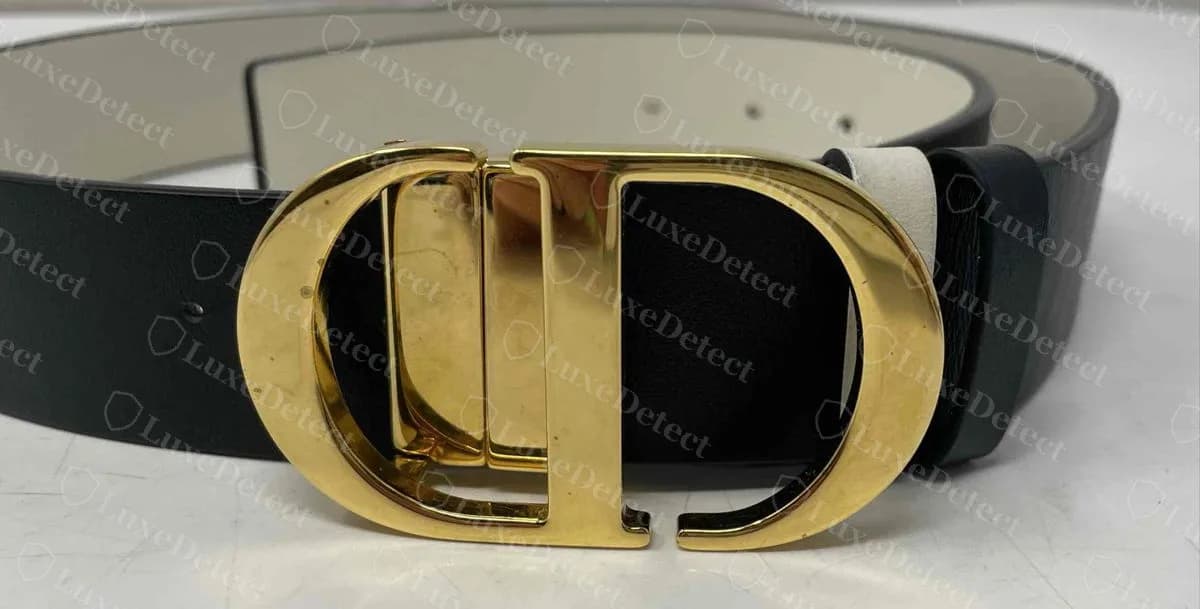
Dior hardware should have weight and a single finish across every piece. Zip pulls, buckles, clasps and charms carry precise logos: "CD" engraving on Saddle-type clasps and Lady Dior zip pulls, "Christian Dior" on larger fittings, and the D-I-O-R letter charms on the Lady Dior, which should be solid and in the right order. Galliano-era bags often carry more decorative hardware than the earlier, plainer trim, so a bold buckle on a 2000s bag is not odd, while the same buckle on a "1970s" bag is.
| Element | Authentic | Counterfeit |
|---|---|---|
| Weight | Solid, with real heft | Light, hollow or thin |
| Finish | One consistent finish, wearing evenly | Brassy or too yellow, or flaking in patches |
| Engraving | Neat, aligned, proportionate and crisp | Shallow, off-centre or messy |
| Charms | Letters in order, solid, on solid rings | Backwards, out of order or lightweight |
Red flag
Engraving that is shallow, off-centre or uneven, or charms in the wrong order, on a bag at a price that assumes genuine, is a strong reason to reject.
Worth knowing
Plating wears through on 25-year-old hardware, and a bag may have had a zip or clasp replaced in a repair. Judge an odd piece alongside the rest of the bag, and ask the seller to disclose repairs.
Lining, Leather and Construction
Vintage Dior bags use a consistent lining that is clean, securely attached and evenly coloured, in the same style across the bag. Leather should feel supple, or evenly coated where the style calls for it, and smell of leather rather than glue or plastic. Stitching should be small, tight and even, with neatly turned corners; check the strap attachments, the zip panel and the lining joins, because those are where counterfeit factories economise. Loose, ill-fitting lining and visible adhesive are warnings.
Because the bag is old, expect some defects: a sticky lining, peeling edge paint, a brittle strap. These are repairs to price in, not proof of a fake. What matters is whether the construction was made with care in the first place.
Worth knowing
This is the weakest check on its own, because wear and past repairs look alike on genuine and fake bags. Use it to support the marks above rather than to decide.
What Is Not a Tell on a Vintage Dior Bag
- A missing date code. Many genuine pre-late-1990s bags have none.
- A missing authenticity card or dust bag. Both are lost over decades, and both are cheap to fake. Their presence proves nothing.
- "Made in France", "Made in Italy" or "Made in Spain". All three appear on genuine bags.
- "Trotter" or "Oblique" in the listing. Sellers use both names for the same canvas.
- Worn gold, soft leather and faded canvas. That is age.
- A stamp in an older layout. Labels and stamps differ by decade, line and category.
What the Box, Card and Dust Bag Do and Do Not Prove
Packaging is context, not evidence. A card or dust bag can be reproduced cheaply and circulates separately from the bag it came with. A modern chip or NFC card means the bag is recent or the card is not original. Use packaging only to cross-check what the bag itself says.
Quick Authentication Checklist
- Confirm the model existed in the year claimed (Saddle spring/summer 2000; Lady Dior mid-1990s).
- Check the interior stamp is pressed (not printed), evenly spaced and consistent for the period.
- Read the date code, if there is one, and check its format against the period; accept no code on earlier bags.
- Check the canvas is woven and the monogram aligns at seams.
- Check the hardware weight, finish and engraving.
- Check the lining, stitching and leather for care in making, not just age.
- Compare against a verified bag of the same model and period.
Two or more failures means walk away. A printed stamp, a printed monogram or a code that could not have existed in the claimed year is enough on its own.
When to Get a Professional Opinion
Vintage Dior has no official key to date codes and a wide range of genuine variation by decade and line, so an expensive piece is worth a professional review. We authenticate from the marks, materials and construction together against verified pairs, and the result comes with a Certificate of Authenticity. Start with our Dior date code checker for a first read, then order an authentication when the price justifies it.
A code that checks out doesn't prove the item is real. Counterfeiters copy genuine codes.
Our authenticators check the stamps, hardware and construction of your Dior against verified references, from $25. You get a verdict within 24 hours, and a Certificate of Authenticity if the item passes.
Authenticate My Dior →FAQ
How can I tell if my vintage Dior bag is real?
Check that the whole bag fits one era: the model existed when the bag claims to be from, the interior stamp is pressed and evenly spaced, the monogram canvas is woven rather than printed, the hardware is heavy with neat engraving, and any date code fits the period. No single check settles it, so a professional review is the safer route on an expensive bag.
Does a vintage Dior bag have a serial number or date code?
Many do not. Sources disagree on when Dior began date codes, with about 1997 the most common date quoted, and earlier bags often carry only a Made in line. Later codes are two letters and four digits, then two digits, two letters and four digits. The code is a batch marker, not a unique serial number, and Dior has not published a key to it.
How old is my Dior bag?
Start with the model: a Saddle is from spring/summer 2000 or later, a Lady Dior from the mid-1990s, and the Oblique pattern itself dates to the 1960s. A date code, if present, gives an estimate that you can check with our Dior date code checker. A bag with no code is not necessarily older or younger.
What is the difference between Dior Trotter and Oblique?
Oblique is Dior's monogram, created under Marc Bohan in 1967. Trotter is a resale term, mostly for late-1990s and early-2000s monogram bags in navy and beige and other colours. Sellers use the two names inconsistently, so neither word proves anything about a bag.
Is a vintage Dior bag with no authenticity card fake?
No. Cards and dust bags are lost over decades, and counterfeiters copy them easily. Judge the bag by its stamp, canvas, hardware and construction.
Does "Made in France" or "Made in Italy" mean a Dior bag is fake?
No. Genuine Dior bags carry Made in France, Made in Italy and Made in Spain depending on the model and the period. The origin line is never a test on its own; the quality of the stamp is.
Are the Dior Saddle and the Lady Dior vintage?
The original Saddle (2000 onward) and the early Lady Dior (mid-1990s onward) are both sold as vintage. The Saddle revived in 2018 and later Lady Dior bags are modern production, with different interior marks. Our Saddle and Lady Dior guides cover the details.