Handbag Authentication Specialist
Handbag authentication specialist. Has reviewed submissions across Hermès, Chanel, Louis Vuitton, and Dior since 2019.
Published September 2026 · Contact
What "superfake" actually means
"Superfake" is the name the market settled on for the top tier of counterfeit designer bags: pieces made to pass a buyer's inspection rather than to look roughly like the logo from across a room. Replica sellers use their own labels for the same tier, usually "1:1", "mirror quality", "top grade" or "AAA+". The words differ; the promise is the same. The bag is meant to match the genuine article closely enough that the person holding it cannot tell.
The term went mainstream after a 2023 New York Times Magazine feature by Amy X. Wang, which described an open online ecosystem of replica sellers, buyer guides and reviews for copies of Chanel, Hermès, Louis Vuitton and other houses. In April 2024 ABC News quoted a U.S. Customs and Border Protection director, Frank Russo, saying that with technology "the ability to make a superfake is easier now than ever before", and noted that some handmade counterfeit Birkins now sell for more than $6,000.
That price point is the whole story. An obvious fake is cheap because it only has to look right in a photo. A superfake costs more because it is built to survive being held, opened, sniffed, and compared against the tips buyers read online.
Superfakes vs obvious fakes
The difference is not "better" in a general sense. It is that the superfake has been corrected, one by one, on the exact points that used to catch fakes.
| Feature | Obvious fake | Superfake |
|---|---|---|
| Shape and proportions | Off, often visibly slumped or oversized | Close to retail, patterned on a genuine piece |
| Leather or canvas | Plastic-feeling, strong chemical smell | Real leather of a similar type and grain, coated canvas that looks right |
| Hardware | Light, flaky plating, wrong logo shape | Heavier metal, logo shapes traced from genuine pieces |
| Stamps and codes | Misspelled, wrong format, random numbers | Correct format, often copied from a real item |
| Packaging | Missing or generic | Box, dust bag, card, ribbon, sometimes a printed receipt |
| Price | Tens of dollars | Hundreds to thousands |
The practical consequence: a superfake does not fail a single obvious test. It fails on accumulated small deviations, and many of those only show when the bag is compared against a verified reference of the same model and era.
How superfakes are made
Without going into anything that would help a factory improve, the general approach is well understood by anyone who authenticates for a living.
- Genuine pieces as the pattern. The better factories work from real retail bags rather than photographs, so panel sizes, strap lengths and stitch counts start out close. Shape is no longer the reliable tell it was ten years ago.
- Similar materials. Instead of plastic, they use real calfskin, lambskin or goatskin of a comparable type, and coated canvas printed to match. The leather is rarely the same hide from the same tannery, which matters later, but it is no longer obviously wrong.
- Correct-looking hardware. Zippers, turn locks and clasps are cast in heavier metals and plated to a similar tone. The logo shapes are usually right at arm's length.
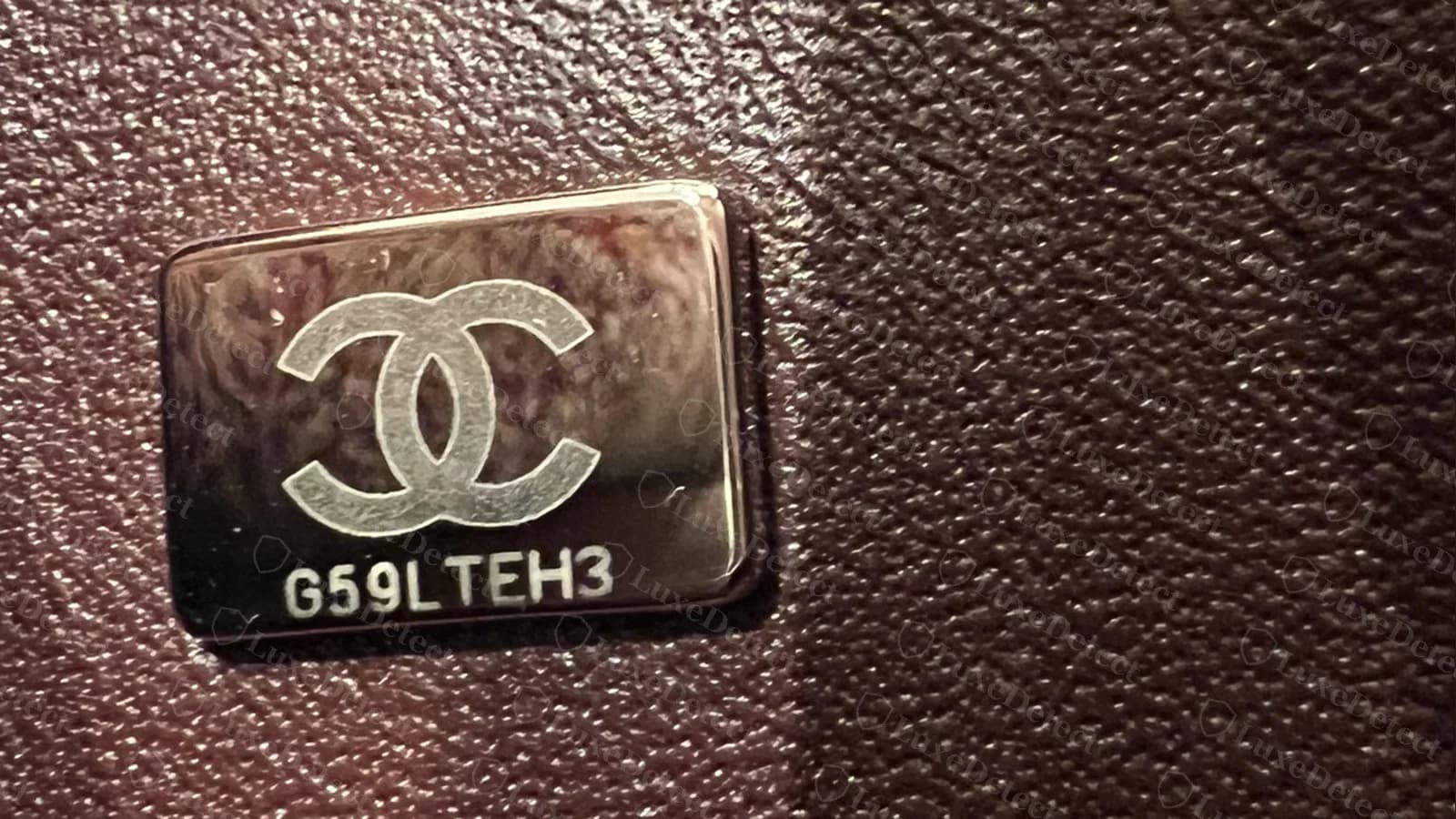
- Cloned codes. Date codes, serial stickers and heat-stamped numbers are copied from genuine items, so a code that is correctly formatted, and even one that decodes to a plausible year, tells you very little on its own.
- Copied paperwork and packaging. Boxes, dust bags, authenticity cards, care booklets and receipts are all reproduced, and sold separately as well as with the bag.
- Chips. Since 2021, Louis Vuitton and Chanel have moved from visible codes to embedded NFC chips. Counterfeiters have responded with working tags of their own that a phone will detect, some programmed to open a convincing web page. A phone tap proves a chip is present; it does not prove the chip belongs to that bag. Our Louis Vuitton RFID chip guide and Chanel serial codes and NFC chip guide explain what a scan can and cannot show.
Why the common tips fail now
Most online authentication advice was written for the fakes of 2010. Against a superfake, several of the classic tips now point the wrong way.
"Check the date code"
A date code or serial number shows what the bag claims to be, not whether it is real. Superfakes carry correctly formatted codes, often copied from a genuine piece, sometimes the same code on many fakes. Decoders like our free Louis Vuitton date code checker and Chanel date code checker are still worth using, because they catch codes that are impossible or that contradict the bag. A code that passes simply moves you on to the next check.
"It came with the receipt and the box"
Packaging is context, not evidence. Boxes, dust bags, cards and receipts are among the easiest things to reproduce, and genuine packaging is also sold on its own, so it can travel with a fake. A full set makes a listing look better. It does not make the bag inside it real.
"The stitching is perfect"
Neat, even stitching was once a strong sign of a genuine bag. Superfake factories now stitch neatly too. What still matters is not whether the stitching is tidy but whether it matches the house's method for that model: stitch count per inch, thread colour and thickness, the angle of the stitch, and how the line finishes at the ends.
"It smells like real leather"
Many superfakes are made of real leather, so they smell like real leather. Smell can still catch a cheap fake with a strong chemical note; it cannot clear a superfake.
"The seller has great reviews"
Reviews measure how the seller treats buyers, not what the seller sources. Resellers can buy a superfake in good faith and pass it on in good faith. That is exactly why marketplaces and dispute teams ask for an independent opinion rather than the seller's word.
What still catches them
A superfake is optimised for the checks a buyer can do. It is much less robust against checks that need a verified reference and a trained eye. The detail varies by brand and model, but the categories are consistent.
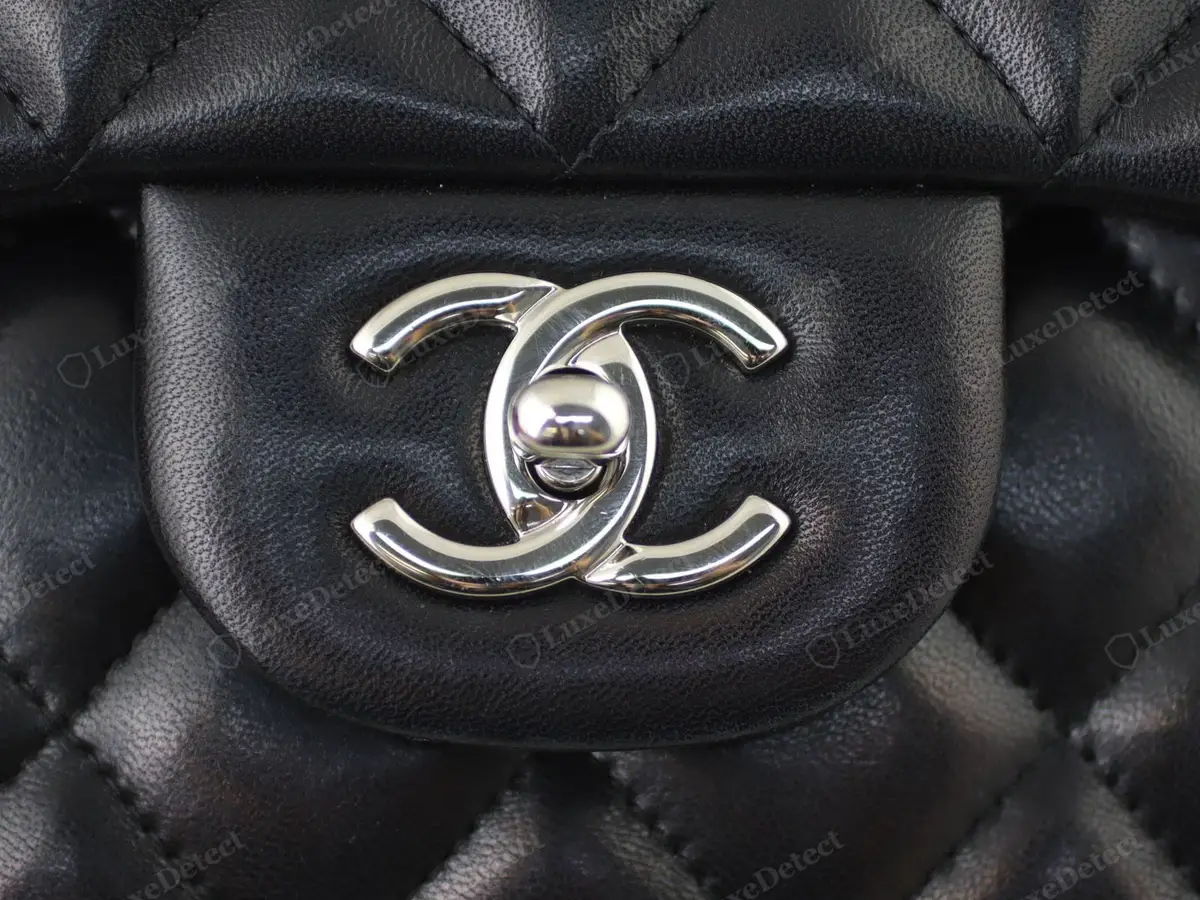
- Font and spacing of stamps. Heat stamps and blind stamps are where superfakes most often slip. The letters can be the right font and still sit at the wrong spacing, depth or weight, or the stamp can be pressed at the wrong pressure for that leather. These differences are small in isolation and obvious side by side.
- Engraving depth and finish. Hardware engraving on genuine pieces has a particular depth, edge crispness and finish that is costly to reproduce. Plating tone under neutral light, and how it has worn on a used bag, also tells a story.
- Material behaviour. Leather that looks right in a photo still has to behave right: how it creases, how the grain moves when flexed, how the edge paint sits, how a coated canvas ages at the corners. A different hide from a different tannery behaves differently, even when it looks the same.
- Code logic. A code has to be consistent with the rest of the bag. A factory location that the house did not use for that line, a production year before the model or colour existed, or a pre-2021 style date code in a Louis Vuitton claimed to be made in 2023 all break the story, even when the code itself is formatted perfectly.
- Construction details. Interior pocket layout, lining material, how the piping is turned, where the zip pulls sit, what is glued and what is sewn. Counterfeiters copy what is visible from the outside first; the inside and the underside are where corners are cut.
- Side-by-side comparison. The single strongest method is comparing the item against verified references of the same model and period, feature by feature. That is what professional authenticators do all day, and it is why volume of handled pieces matters more than any checklist.
The honest limit: none of these is decisive on its own for every bag, and some need the item in hand rather than in photos. Assessment is cumulative. One strong deviation can end it; a clean pass on one check proves little.
Which brands and categories are targeted most
The OECD and EUIPO report "Mapping Global Trade in Fakes 2025" estimated world trade in counterfeit goods at about USD 467 billion in 2021, around 2.3% of global imports, with clothing, footwear and leather goods among the most seized product categories.
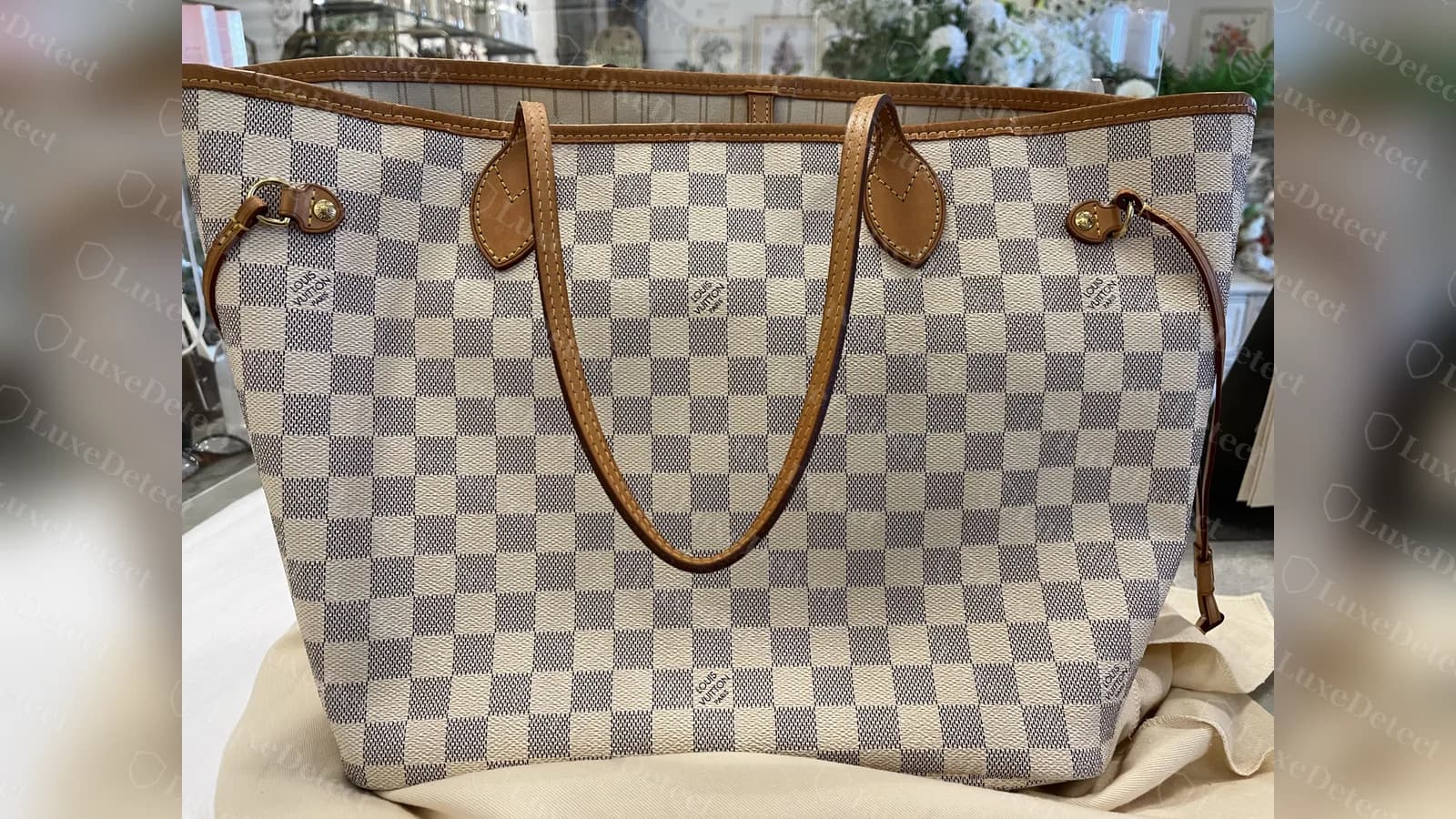
Public data on superfakes specifically, by brand, is thin, so we will not invent a ranking. The pattern is qualitative but consistent across press reporting and what arrives on our desk: the houses with long waitlists, strong resale values and a few iconic, slow-changing models attract the most effort. Hermès, Chanel and Louis Vuitton come up repeatedly in the reporting cited above, and Gucci, Dior, Prada and Goyard are regulars in the bags we are asked to check. Within a brand, the targets are the models whose design barely changes from year to year (a Birkin, a Classic Flap, a Neverfull), because one set of patterns keeps selling for a decade.
The legal and ethical side, briefly
Selling counterfeits is illegal in almost every market, and passing one off as genuine is fraud whether or not the seller knew. Buying for personal use is treated differently depending on where you are: in the US, customs can seize counterfeit goods at the border, and in some European countries, notably France and Italy, buyers themselves can be fined. Every major resale platform prohibits counterfeit listings, and a seller who ships a fake typically faces a forced refund and account action.
For a buyer the practical point is simpler. If you knowingly buy a superfake you have no protection at all. If you unknowingly buy one, your protection depends on proving it, which is where an independent written opinion matters.
When to get a professional opinion
For anything bought pre-owned at a meaningful price, the check costs a small fraction of what is at stake. LuxeDetect's handbag authentication starts at $25, uses photos you can take on a phone, and returns a verdict from an authenticator who compares your bag against verified references for that model. Genuine items get a Certificate of Authenticity you can use when you resell, and a fake verdict gives you something concrete to take to the platform or your card issuer. You can submit an item for authentication at any time.
FAQ
What is a superfake bag?
A superfake is a top-tier counterfeit designer bag built to pass close inspection: real leather of a similar type, heavier hardware, correctly formatted codes and full packaging. Sellers often call the same tier "1:1" or "mirror quality". It still differs from the genuine piece, but mostly in details that need a verified reference to see.
Can a superfake pass authentication?
It can pass casual checks and the tips most buyers use, which is the point of making one. It is much less likely to pass a professional side-by-side comparison against verified references of the same model, because the small deviations in stamps, hardware, materials and construction add up.
Does a correct date code or serial number mean my bag is real?
No. A code shows what the bag claims to be, and superfakes carry correctly formatted codes, often copied from genuine items. A decoder is useful for catching impossible or contradictory codes; a code that passes only means you move on to the next check.
Can fake bags have working NFC chips?
Yes. Counterfeiters fit working tags that a phone will detect, and some open a convincing web page. Detecting a chip proves a chip is present, not that it is the brand's chip linked to that bag.
Is it illegal to buy a superfake?
Selling counterfeits is illegal almost everywhere. Buying for personal use varies by country: goods can be seized at customs, and in some countries, including France and Italy, buyers can be fined. Resale platforms ban counterfeit listings outright.
How much does a superfake cost compared with the real bag?
Far more than an obvious fake and far less than retail. Press reporting in 2024 put some handmade counterfeit Birkins above $6,000, still a fraction of the genuine bag's resale price. A price that is well below market for a sought-after model remains one of the most reliable warning signs.