Handbag Authentication Specialist
Handbag authentication specialist. Has reviewed submissions across Hermès, Chanel, Louis Vuitton, and Dior since 2019.
Published October 2026 · Contact
What Makes the 3.1 Phillip Lim Pashli Distinctive
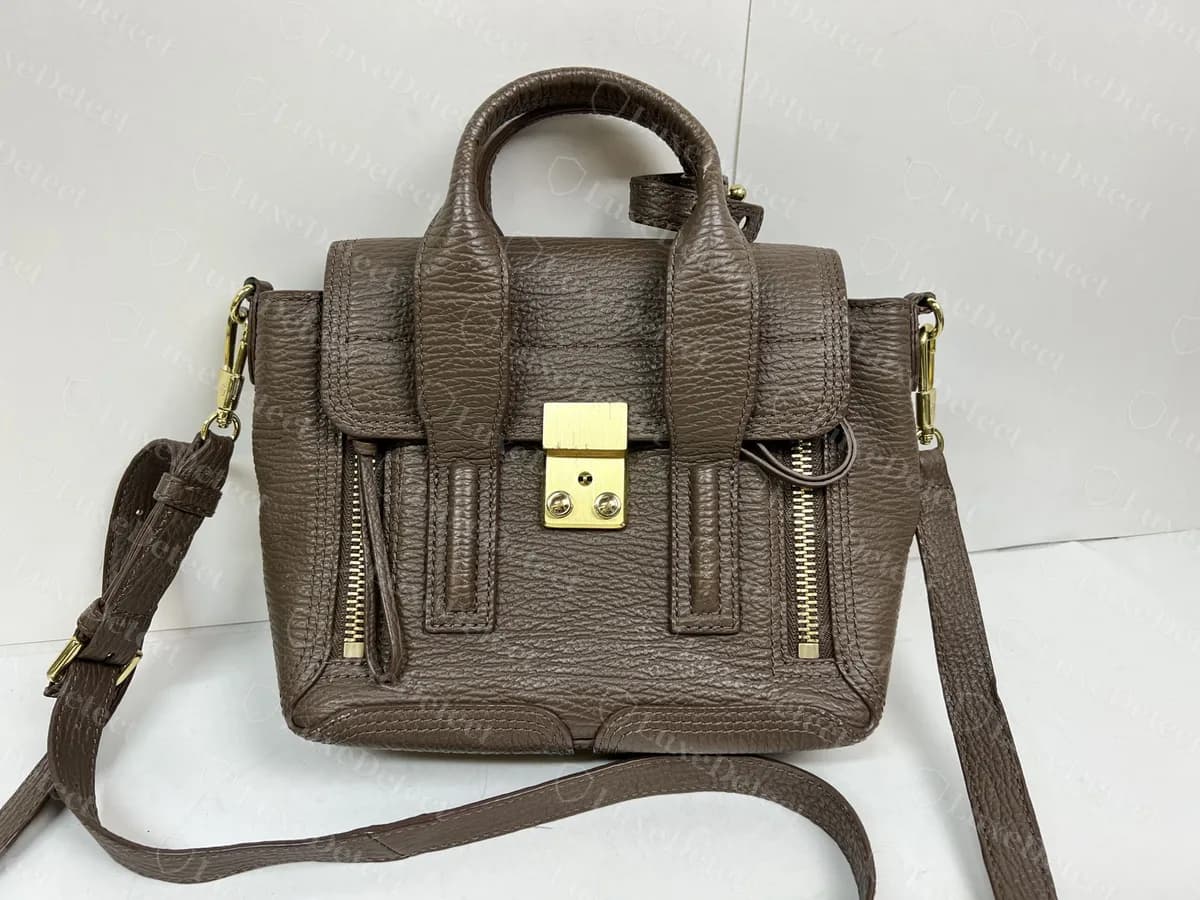
The Pashli is the bag most people mean when they say "a Phillip Lim bag". 3.1 Phillip Lim introduced it in 2012 as a structured satchel with a flap, a push-button turn-lock, two exposed zips running down the front and zipped side gussets that open out like wings. It has since been made in nano, mini, small, medium and large sizes, in the brand's shark-embossed leather, in plain calfskin, in patent and in seasonal finishes such as turtle embossing. It is by far the most common 3.1 Phillip Lim bag in our authentication orders, and the most copied.
Authenticating a Pashli is less about spotting one famous flaw and more about knowing which genuine details exist, because the brand changed its branding partway through the bag's life. The interior signature, the clasp engraving and the hardware finish all come in more than one genuine version. A buyer comparing a 2012 bag with a photo of a recent one can easily decide that a real bag is fake.
This guide covers the Pashli in detail and notes where the same details apply to other mainline 3.1 Phillip Lim bags we have authenticated, such as the 31 Hour bag and the Boston-style satchel.
Worth knowing
This guide is built from genuine 3.1 Phillip Lim bags confirmed in LuxeDetect's own authentication orders. We have also reviewed a handful of counterfeit 3.1 Phillip Lim bags, but they span several different models and none showed a flaw that repeated across them and never appeared on genuine bags, so this guide does not list counterfeit tells. It shows what genuine looks like, and we will add a real-vs-fake comparison once the evidence supports one.
The Interior Signature: Two Genuine Versions
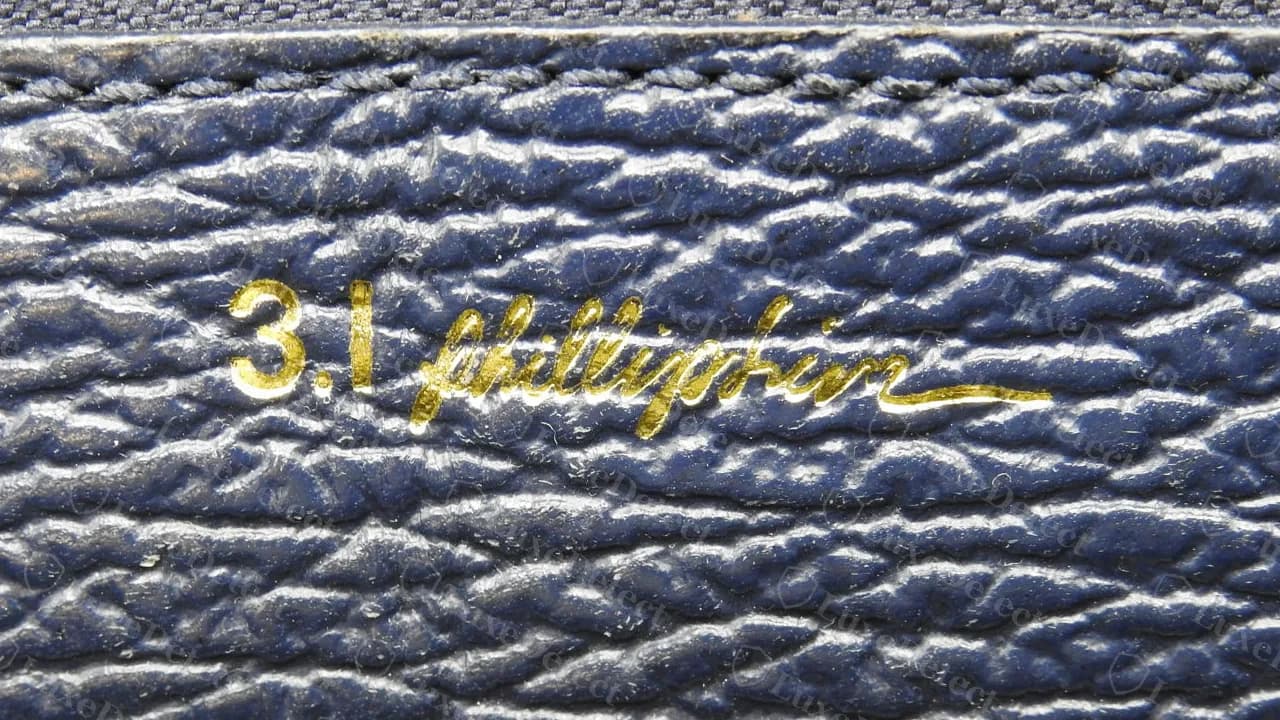
The genuine Pashli bags we have checked all have the brand signature printed in foil on the leather inside the bag, usually on the panel of the interior zip pocket or just below the main zip. The foil is gold on most colours and sits flat and evenly in the grain of the leather. There are two versions of this signature, and both are genuine.
The newer version writes "3·1 Phillip Lim" with a capital P and a capital L. The "3·1" is small, set slightly lower than the script, and its dot sits in the middle of the line rather than on the baseline. This is the version on most recent Pashli bags, and the same script appears debossed on the strap and hang tag of the Boston-style satchel.
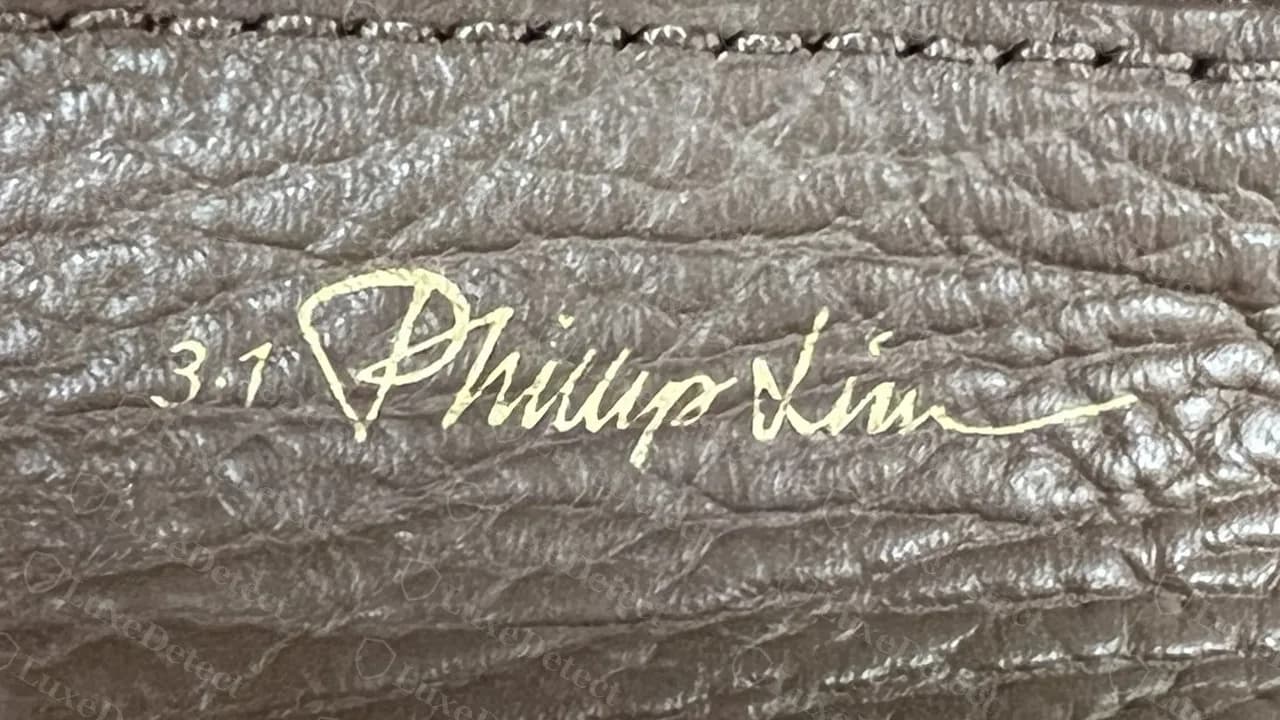
The older version uses a larger, bolder "3.1" with a full stop on the baseline, followed by "phillip lim" in a fast lowercase script with a long tail. Because the letters run together, it can look as if it says "phillipbin" or "philliplin". It does not mean the bag is fake. We have authenticated genuine Pashli bags, a genuine 31 Hour bag and other genuine bags with exactly this lowercase signature.
Worth knowing
The counterfeit 3.1 Phillip Lim bags we have seen copied the older lowercase signature, and so do genuine bags. A lowercase signature that reads like "phillipbin" is not a reason to reject a bag on its own. What matters is whether the signature style matches the age and finish of the rest of the bag, and whether the foil is clean and even.
The Style Code Inside the Bag
Genuine Pashli bags we have authenticated carry a short code in the same foil as the signature, printed on the leather of an inside wall. It is a combination of letters and numbers with a hyphen, for example AC00-0226SKC on a Pashli Mini or AC00-0179SKC on a medium Pashli. Other mainline bags use the same system: a Boston-style satchel we authenticated was stamped AS14-0258NVT.
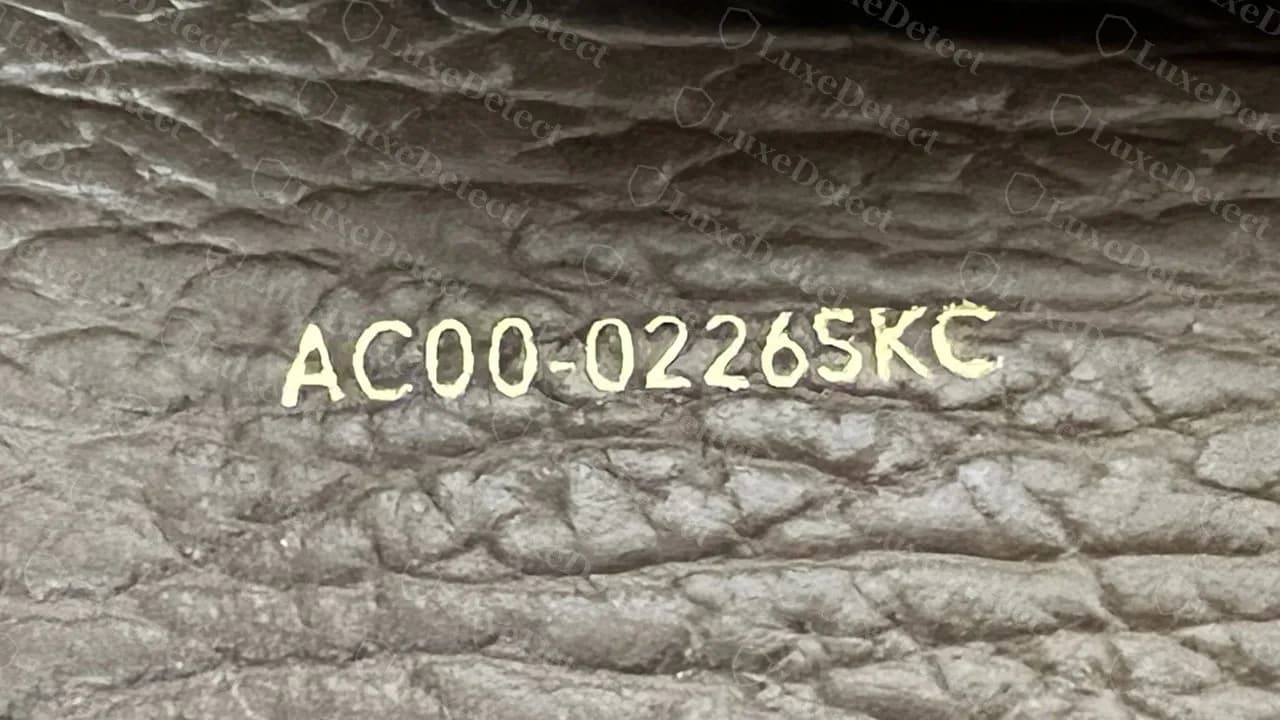
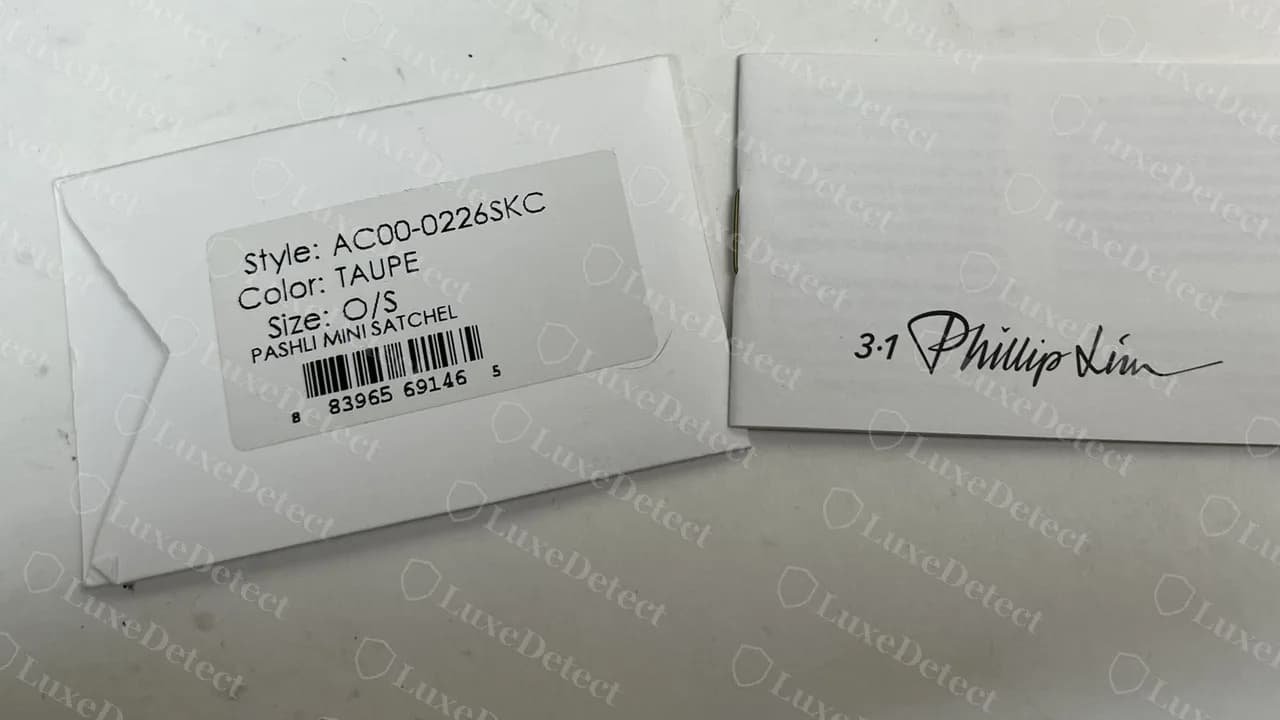
This is a style code, not a serial number for your individual bag. Two genuine bags of the same style and leather can carry the same code, and we have seen the same model number on genuine bags from different seasons. Genuine bags come with a small white style card carrying a printed sticker with the style, colour and model name. When that card survives, its "Style" line should match the code inside the bag. On the Pashli Mini above, the card and the interior both read AC00-0226SKC.
Worth knowing
A matching code proves only that the code was copied correctly. Its real value is consistency: a code that names a different size or finish from the bag in front of you, or a style card that disagrees with the interior stamp, needs explaining.
The Turn-Lock and the Front of the Bag
The Pashli's front lock is a rectangular plate with a brushed finish, a small slot at the top, a small centre pin and two domed buttons at the bottom. We have seen the same layout on genuine Pashli bags from the nano to the medium, in gold and in darker gunmetal finishes.
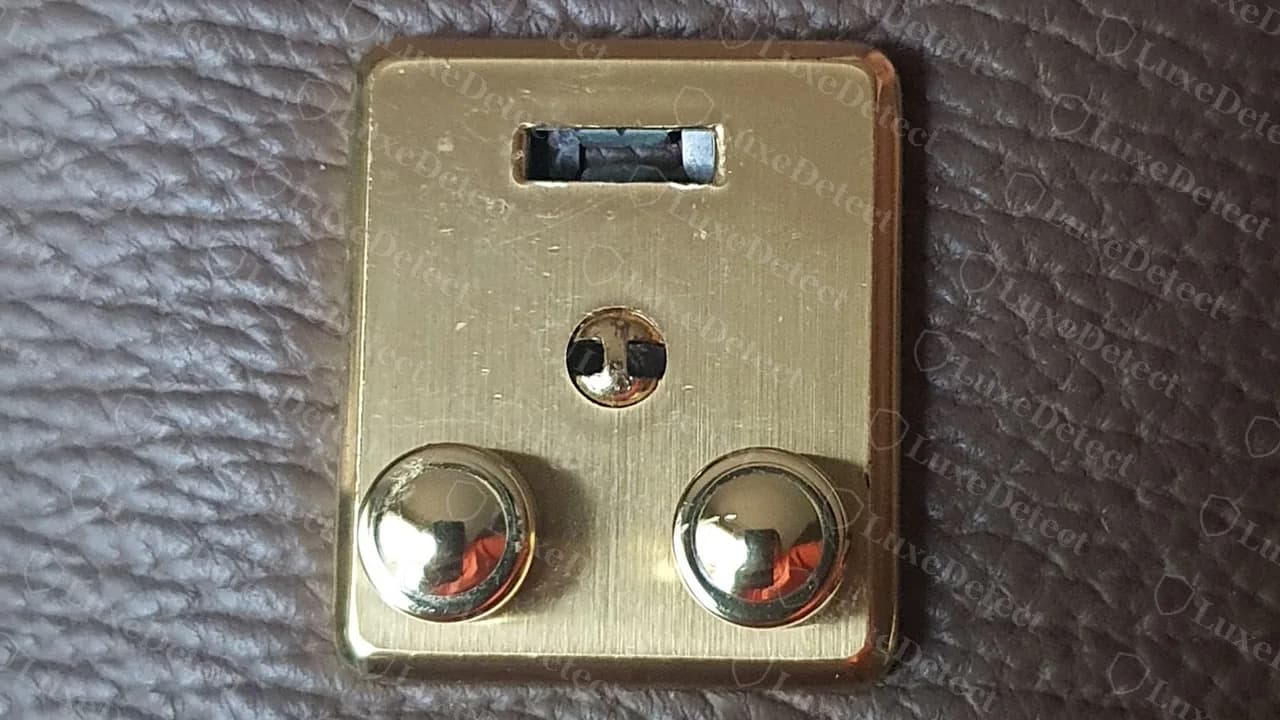
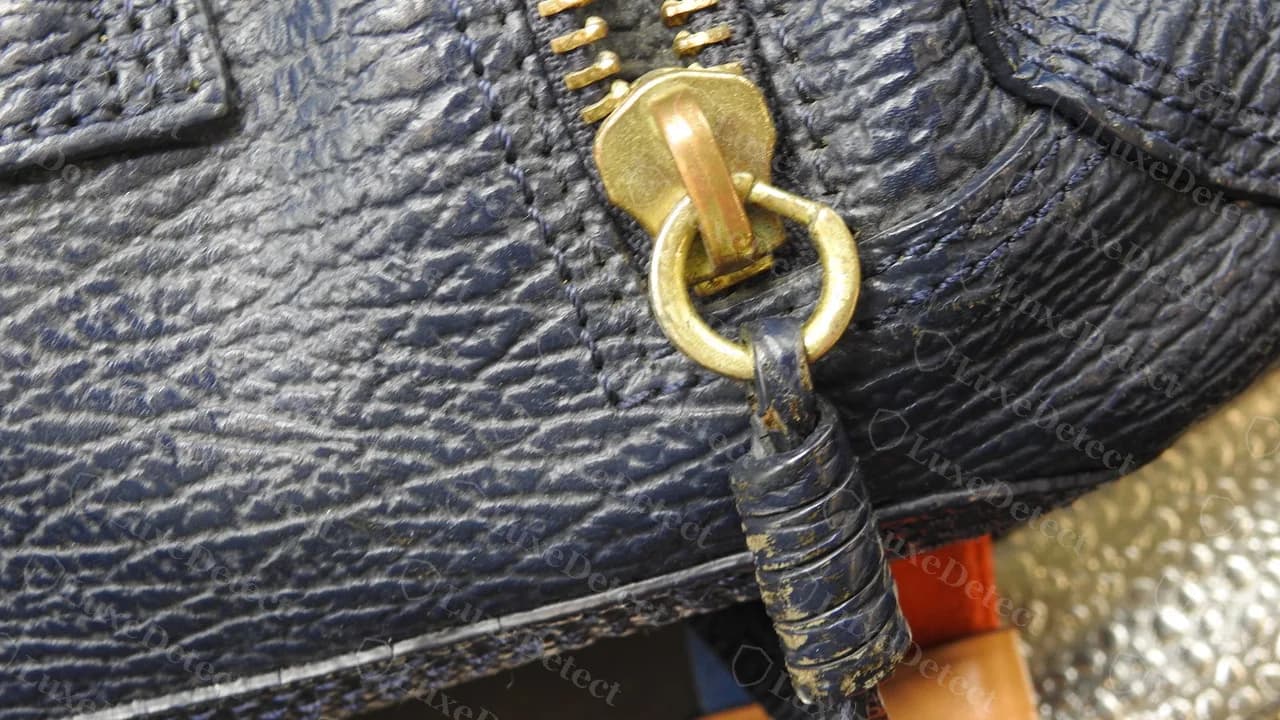
Around the lock, check the proportions of the whole bag against the brand's own photos of the same size. On a genuine Pashli the two front zips run straight down either side of the lock and end in leather pulls rather than a plain metal tab. On the larger sizes the leather is wrapped and knotted around the zip ring.
Strap Clasps: Two Genuine Engravings
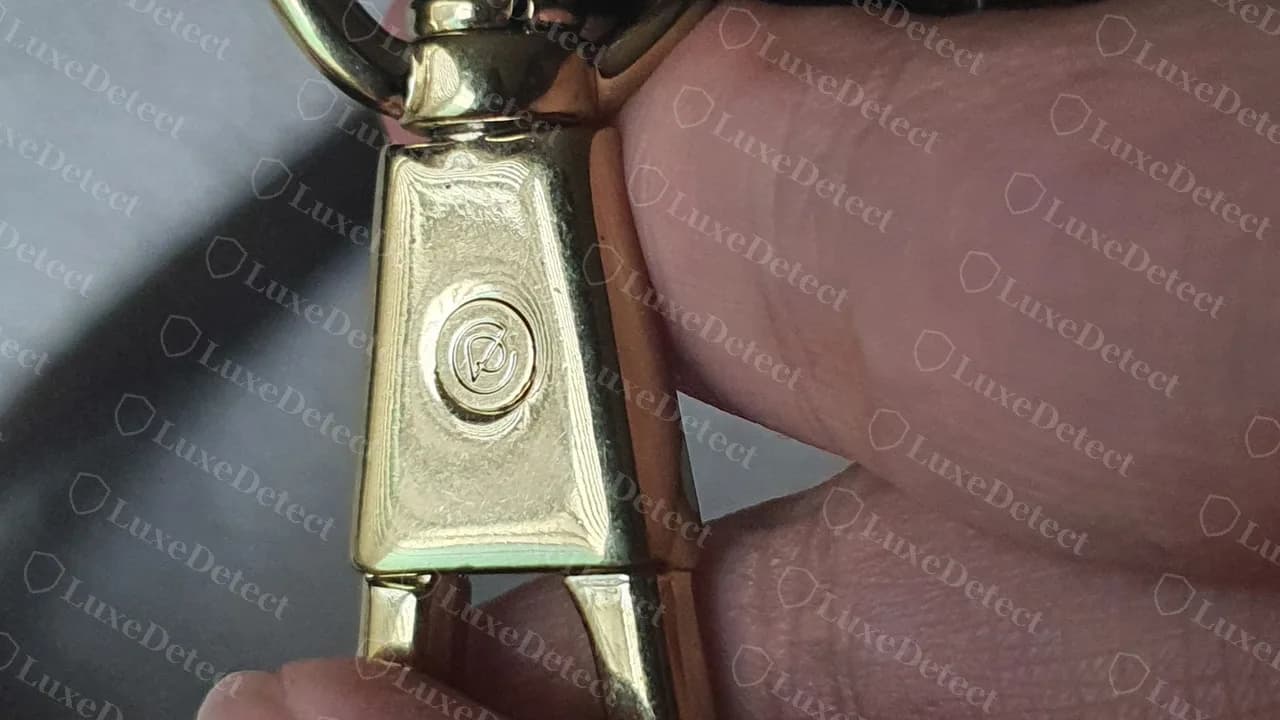
The detachable shoulder strap clips on with two lobster clasps. Like the signature, the engraving on these clasps comes in more than one genuine form. Many genuine Pashli bags we have authenticated have a round logo medallion set into the face of the clasp.
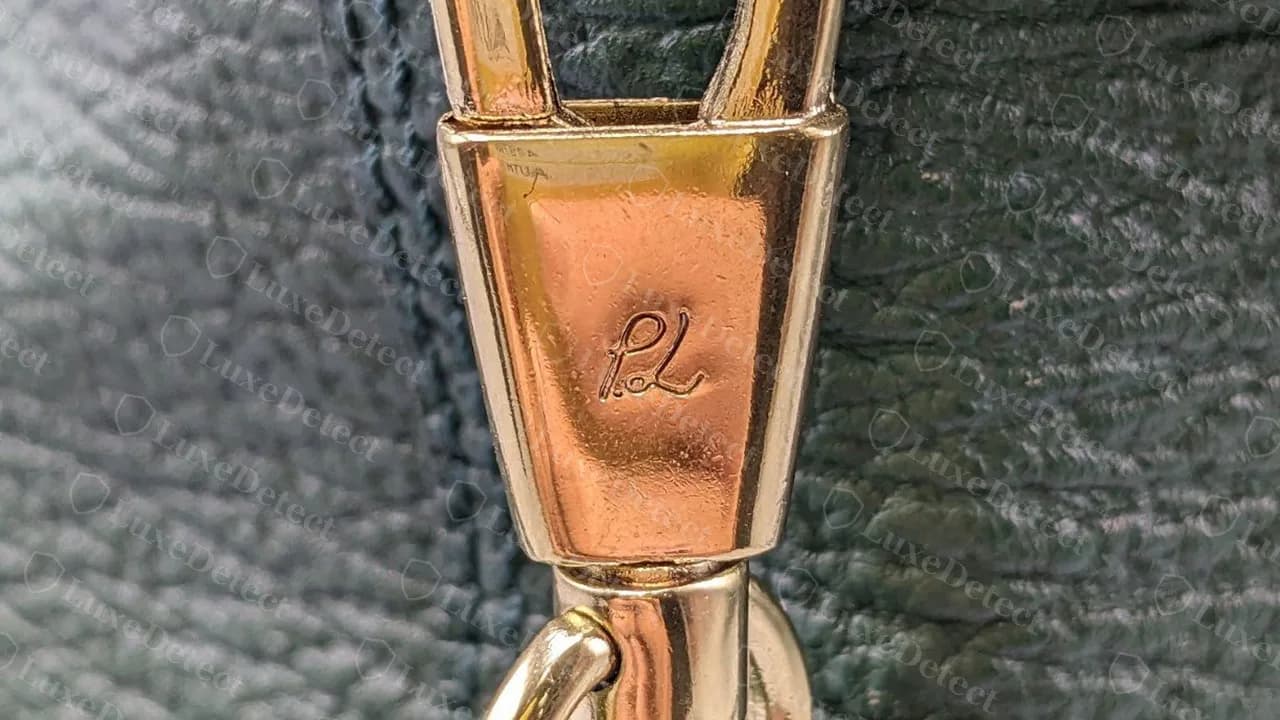
Others, including older bags with the lowercase signature, have a small engraved "PL" script on the clasp instead of the medallion. Both are genuine. The clasp finish follows the bag's other hardware, so a bag with gunmetal or black hardware should have clasps in the same finish.
Care Label and Country of Manufacture
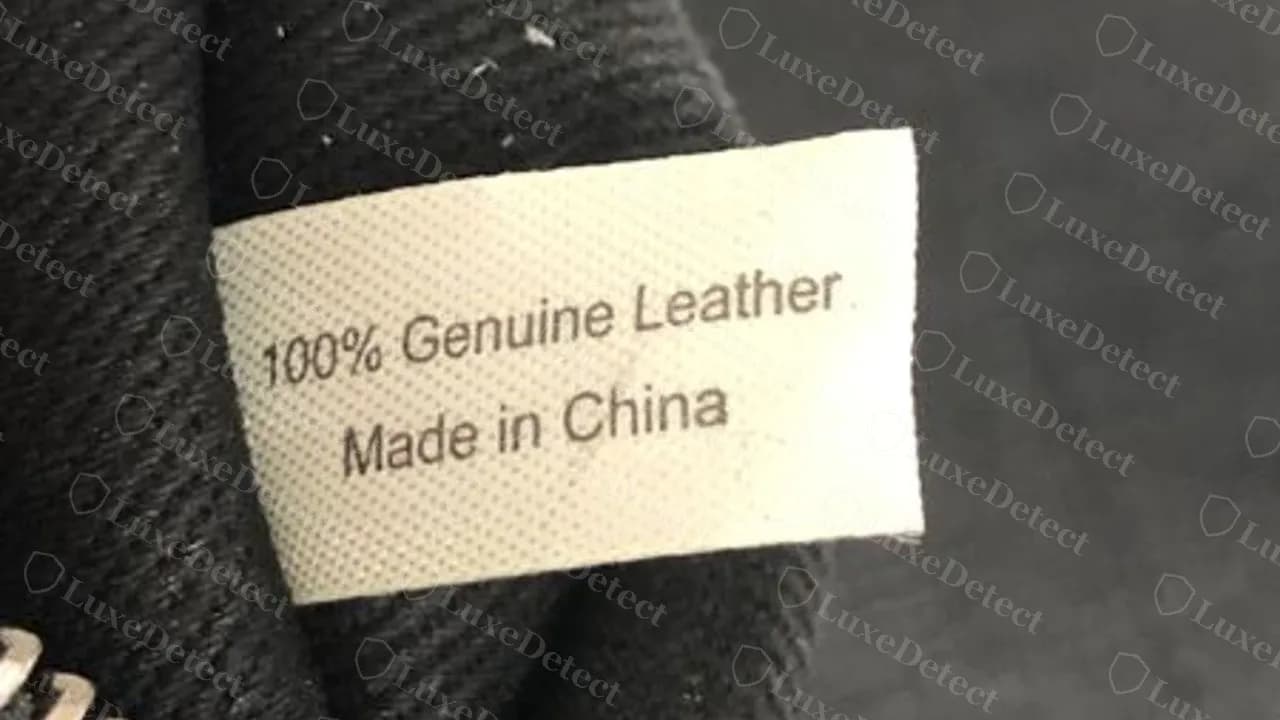
Genuine Pashli bags have a small fabric label sewn into a lining seam, usually reading "100% Genuine Leather" or "100% Cow Leather" with "Made in China" on the line below. The genuine Pashli labels we have checked all read "Made in China", and so did the label on the genuine 31 Hour bag. "Made in China" is normal for 3.1 Phillip Lim and is not a warning sign.
The lining itself varies. We have seen dark satin, grey twill and suede-finished linings on genuine bags, depending on the size and season, so the lining material on its own tells you little.
A Target Tag Means It Is Not a Mainline Pashli
The brand made a lower-priced collection for Target, first sold in 2013. It included satchels that borrow the Pashli's shape: a flap, a front lock pocket and winged sides. They are often listed today as a "Phillip Lim Pashli", sometimes at mainline prices.
These bags are easy to identify once you look inside. They have a white Target care tag with "Target", a row of item numbers and a date code, and a fibre line that reads "Shell: Non-leather material". The mainline Pashli is leather. On the Target bags we have seen, the zip pulls are long metal tabs engraved with the script logo.
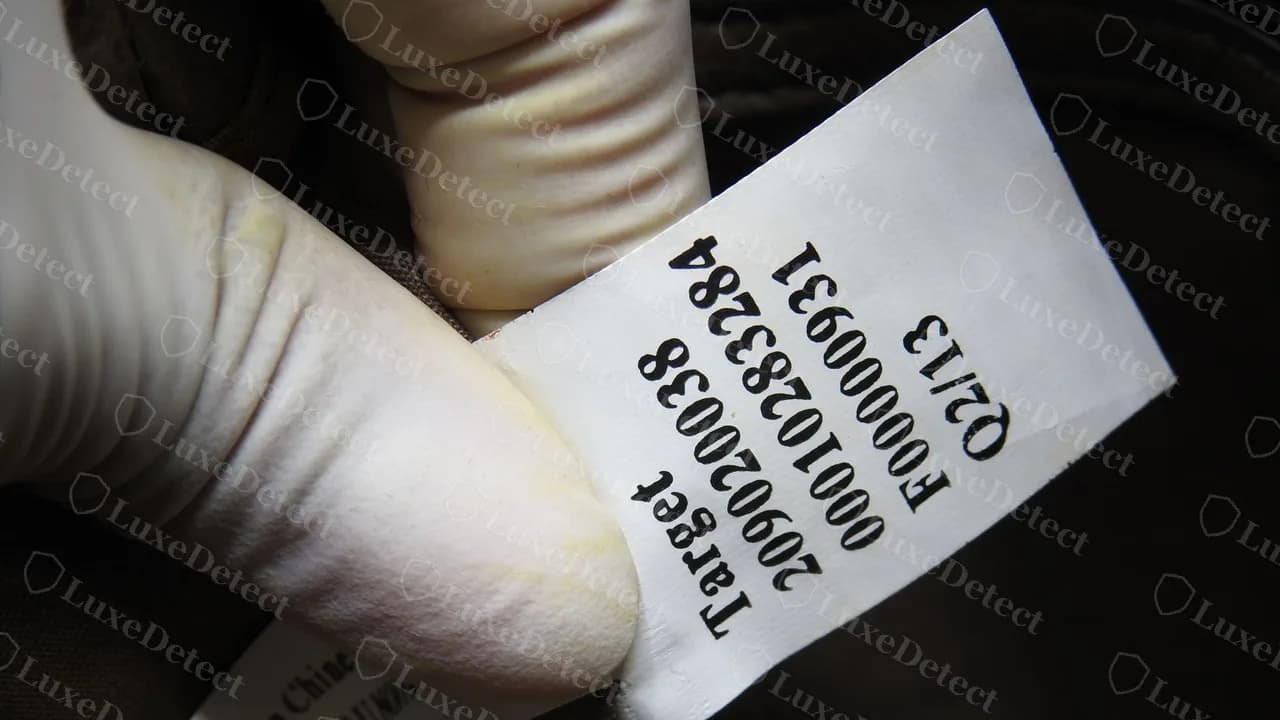
LuxeDetect does not authenticate these as mainline 3.1 Phillip Lim bags. If a seller lists one as a leather Pashli, the listing is misdescribed whatever the bag's origin, and the price should reflect a faux-leather collaboration piece.
What to Check on Any Pashli Listing
- Ask for a clear photo of the interior signature and decide which version it is, capitalised "3·1 Phillip Lim" or lowercase "3.1 phillip lim". Either can be genuine.
- Ask for the foil style code inside the bag, and the style card if the seller still has it. The two should agree.
- Check the turn-lock layout: a brushed plate, a top slot, a centre pin and two domed buttons.
- Check that the clasps, zips and lock all share one hardware finish.
- Look for the sewn care label. "Made in China" is expected.
- Look for a Target tag or "non-leather material". Either means it is not a mainline Pashli.
None of these checks proves a bag is genuine on its own. They tell you whether the details are consistent with each other and with the genuine bags shown above.
When to Get a Professional Opinion
Most Pashli questions come from resale listings where you cannot hold the bag, and the details in this guide (the foil signature, the code and the clasp engraving) are small and easy to misread in a seller's photos. Current counterfeits copy the lowercase signature and the overall shape closely. If you are about to pay mainline money for a Pashli, or you have already bought one and something feels off, get a second opinion from someone who compares the photos against confirmed genuine bags every day.
LuxeDetect's handbag authentication starts at $25 for a 24-hour turnaround, with faster options available. You get a clear verdict and a Certificate of Authenticity you can show a seller or a marketplace. Submit your bag for authentication.
FAQ
Is a 3.1 Phillip Lim bag that says "phillipbin" inside fake?
Not necessarily. Older genuine 3.1 Phillip Lim bags use a lowercase "3.1 phillip lim" script that runs together and can look like "phillipbin". We have authenticated genuine Pashli and 31 Hour bags with exactly that signature. Judge the bag on all its details, not on how the script reads.
Where is the code inside a 3.1 Phillip Lim Pashli?
It is printed in foil on the leather inside the bag, usually near the interior zip pocket or on the inside of the front wall. It looks like AC00-0226SKC. If the original style card survives, the "Style" line on its sticker should match.
Is the Pashli code a serial number?
No. It identifies the style, not your individual bag, so two genuine bags of the same style can share a code. That means a correct code cannot prove a bag is genuine on its own, but a code that does not match the bag's size or finish is worth questioning.
Are 3.1 Phillip Lim bags made in China?
Yes. The genuine Pashli bags we have checked had a sewn label reading "Made in China", usually with "100% Genuine Leather" or "100% Cow Leather". A Chinese country of origin is normal for the brand and is not a sign of a fake.
Is the 3.1 Phillip Lim for Target bag a real Pashli?
No. The Target collection, first sold in 2013, included satchels shaped like the Pashli, but they are faux leather and carry a white Target care tag reading "Shell: Non-leather material". They are not mainline 3.1 Phillip Lim bags and should not be sold as a leather Pashli.
What should the Pashli lock look like?
A rectangular brushed plate with a small slot at the top, a centre pin and two domed push buttons at the bottom. The finish matches the rest of the hardware, such as gold or gunmetal, depending on the bag.
Why do the clasps on my Pashli differ from another one I have seen?
The brand used more than one clasp design. Some genuine Pashli clasps have a round logo medallion and others have a small engraved "PL" script. Both are genuine, so check that the clasp finish matches the bag's other hardware rather than expecting one specific engraving.