Fashion and Accessories Authentication Specialist
Streetwear authentication specialist. Focuses on print quality, tagging, and seasonal production codes.
Published September 2026 · Contact
Why the Burberry Scarf Is Faked at Scale
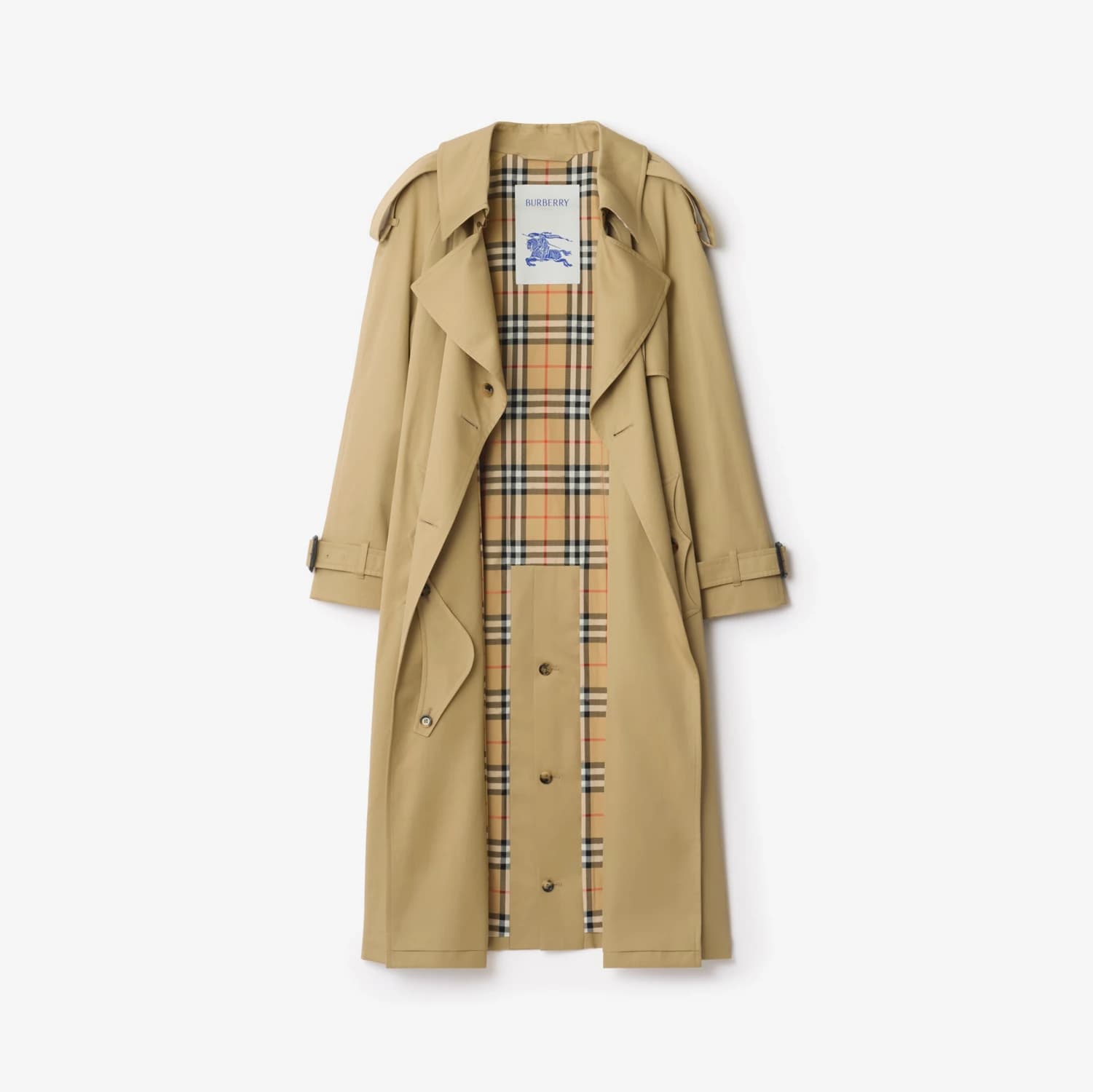
A Burberry classic check cashmere scarf retails around $480–$620, sits at an accessible entry point into the brand, and is instantly recognisable, which makes it one of the highest-volume counterfeit targets in fashion. Fakes range from $10 market stalls to $60–$90 "cashmere-blend" copies that look right at first glance and even feel soft to a quick touch. The same woven-versus-printed check test is the first thing we check on a Burberry trench coat too, since both use the same house check.
The genuine scarf is a woven cashmere piece made in Scotland to a fixed check geometry, with hand-finished fringe and a woven label. Fakes miss on the fibre, the exactness of the check, the fringe finishing, and the label weave. This guide runs the checks in order.
What to check, ranked by reliability
| Checkpoint | Reliability | What it tells you |
|---|---|---|
| The Cashmere | ★★★★★ | A new scarf that pills, feels cool and slippery, and will not spring back is synthetic, not cashmere. |
| The Woven Check | ★★★★★ | A check printed on one side with a blank reverse settles it — the genuine scarf is woven through. |
| The Label | ★★★★★ | A classic cashmere scarf whose label is printed, or does not say "Made in Scotland", is a red flag. |
| The Fringe | ★★★★★ | Uneven bundles, a serged or glued body edge, or coarser fringe yarn are supporting tells. |
| Dimensions, Weight, and Finishing | ★★★★★ | A heavy or stiff scarf flags acrylic; size rules out a crude fake but not a good synthetic one. |
| Packaging and Extras | ★★★★★ | Context only — boxes and cards are reproduced and sold loose. |
Use our free Burberry Style Code Checker to decode the style code on your Burberry care label.
Check My Style Code →The Cashmere
The classic scarf is 100% cashmere (some styles are lambswool or a wool/cashmere blend — check the specific product).
Genuine cashmere has a soft, dry, airy hand — it is warm and light, springs back when scrunched, and has a faint natural lustre rather than a shine. Up close the surface has a light halo of fine fibres, even and short. It does not feel slippery or cold, and it is not heavy.
Fakes use acrylic, viscose, or a low-grade wool that feels either slippery and cool (synthetic) or coarse and scratchy (cheap wool). Synthetic "cashmere" often has a faint sheen, feels slightly damp or cold to the touch, does not spring back well, and may already be pilling on a brand-new scarf.
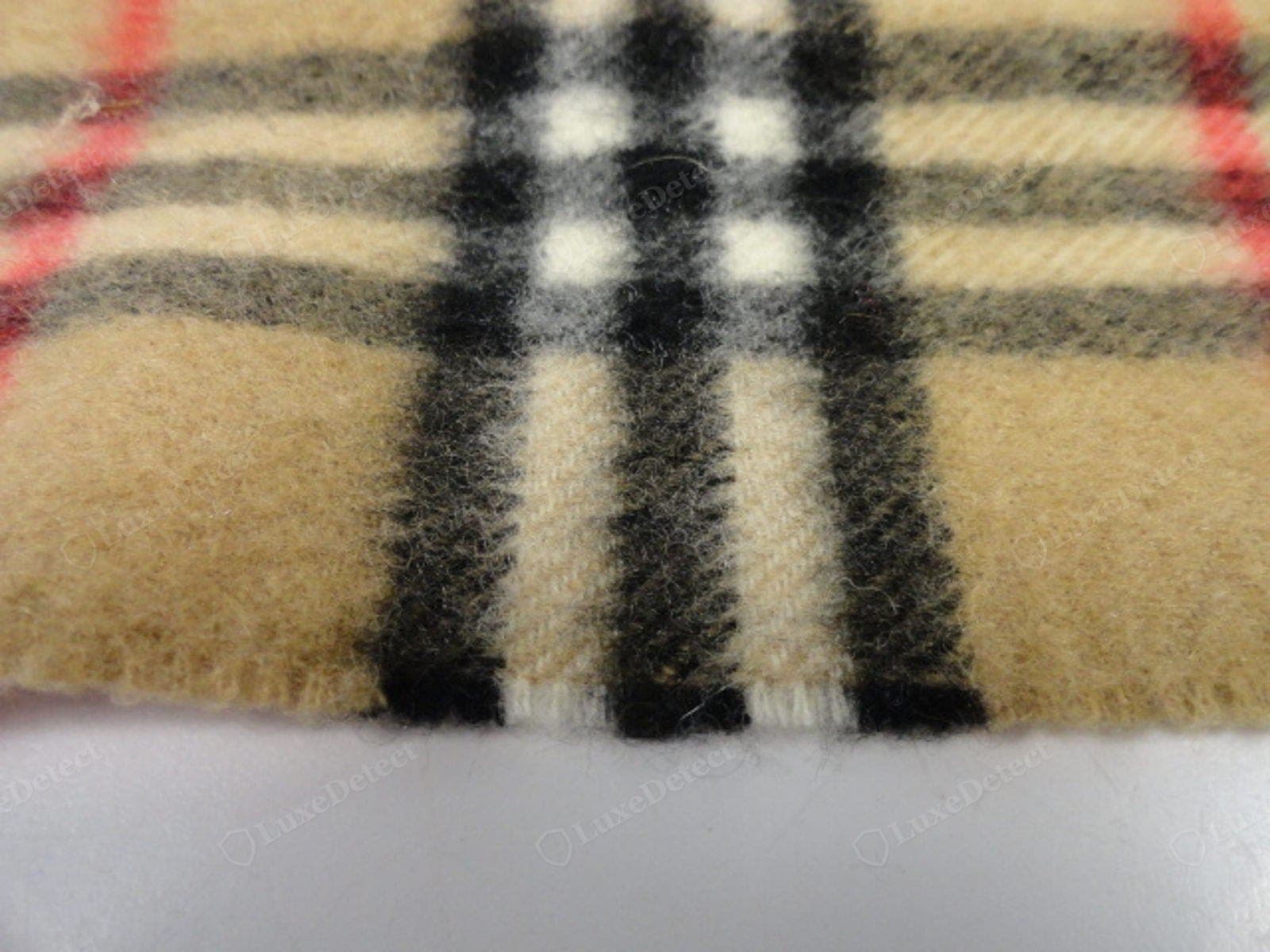
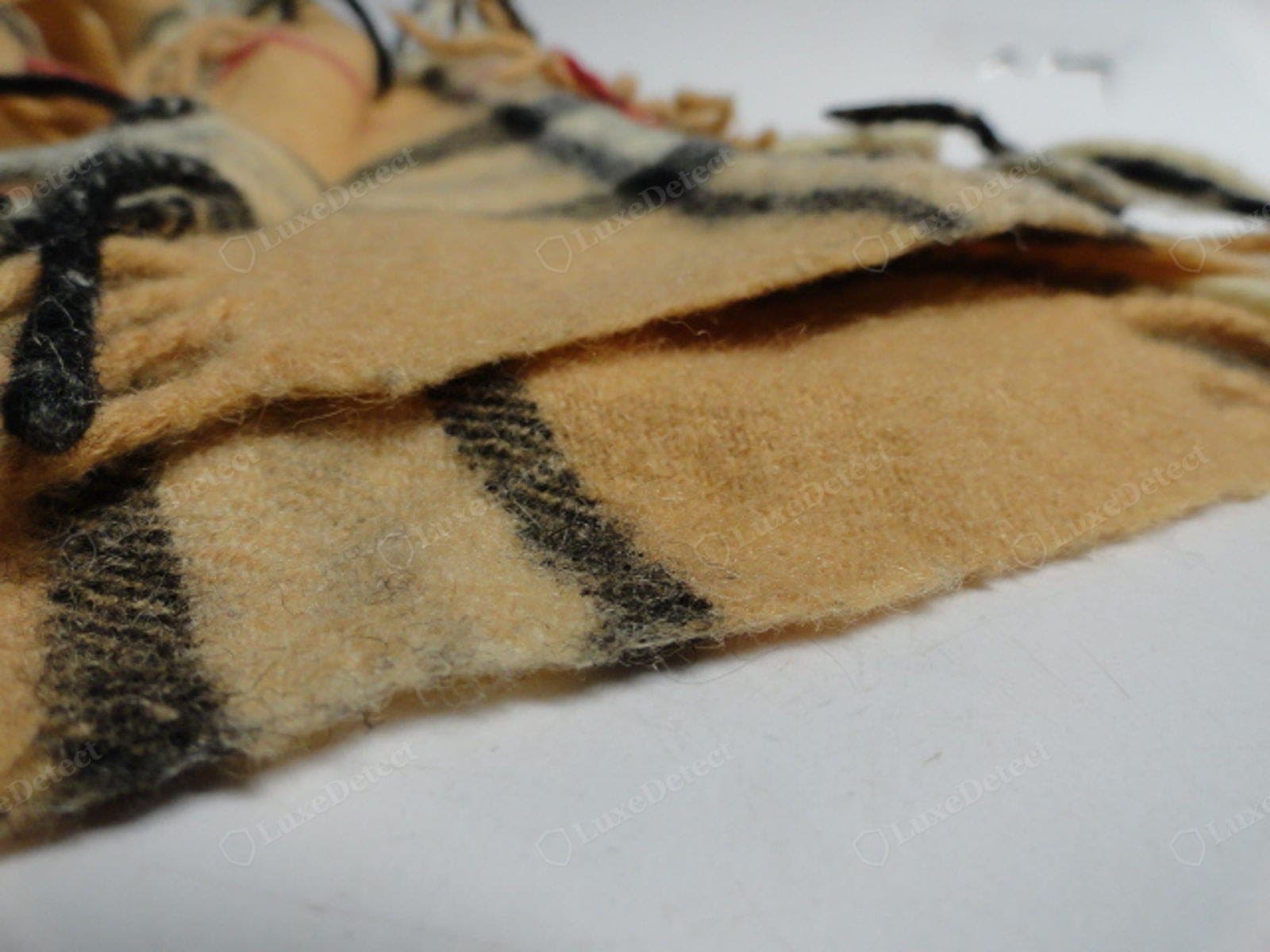
| Element | Authentic | Counterfeit |
|---|---|---|
| Hand | Soft, dry, airy, warm and light | Slippery and cool, or coarse and scratchy |
| Lustre | Faint natural lustre | Faint synthetic sheen, or dead flat |
| Recovery | Springs back after scrunching | Stays creased, limp |
| Surface | Fine even halo, no pilling when new | Pilling already present on a new scarf |
Red flag
A brand-new scarf that is already pilling, feels cool and slightly slippery, and does not spring back. That is synthetic, not cashmere.
The Woven Check
The check is woven into the cloth, not printed, and its geometry is fixed.
On a genuine scarf the check appears on both faces — the same pattern, slightly softer on the reverse — because it is woven through. The proportions are exact: the width of the camel ground, the black bars, the white lines, and the fine red line, all to Burberry's set geometry. The check runs straight and square to the scarf edges, and the pattern is consistent end to end with no drift.
Fakes may print the check on one side (leaving the reverse blank or ghosted), get the stripe proportions subtly wrong (often the red line too thick or the wrong colour balance), let the check run slightly off-square to the edge, or show the pattern drifting along the length.
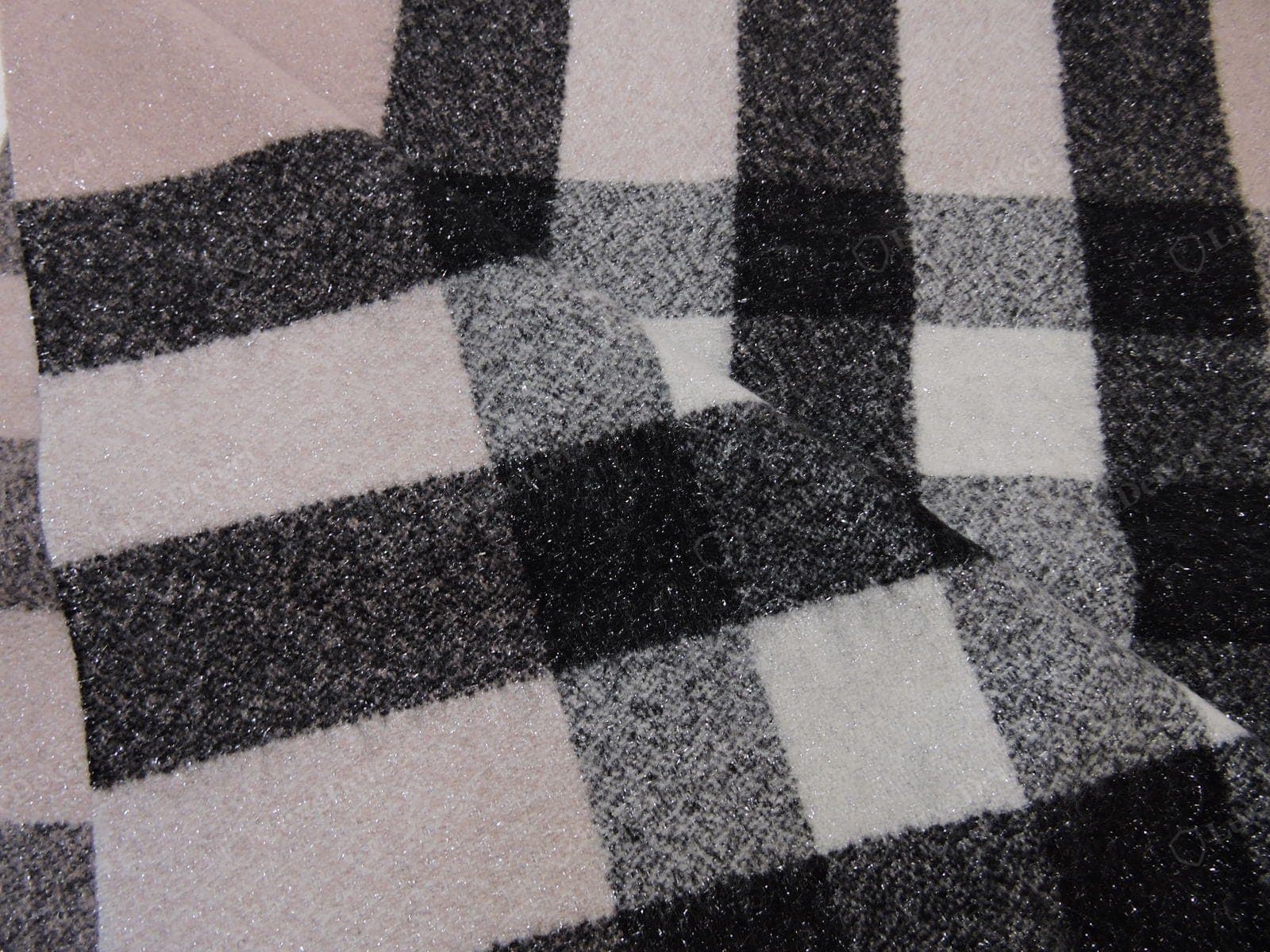
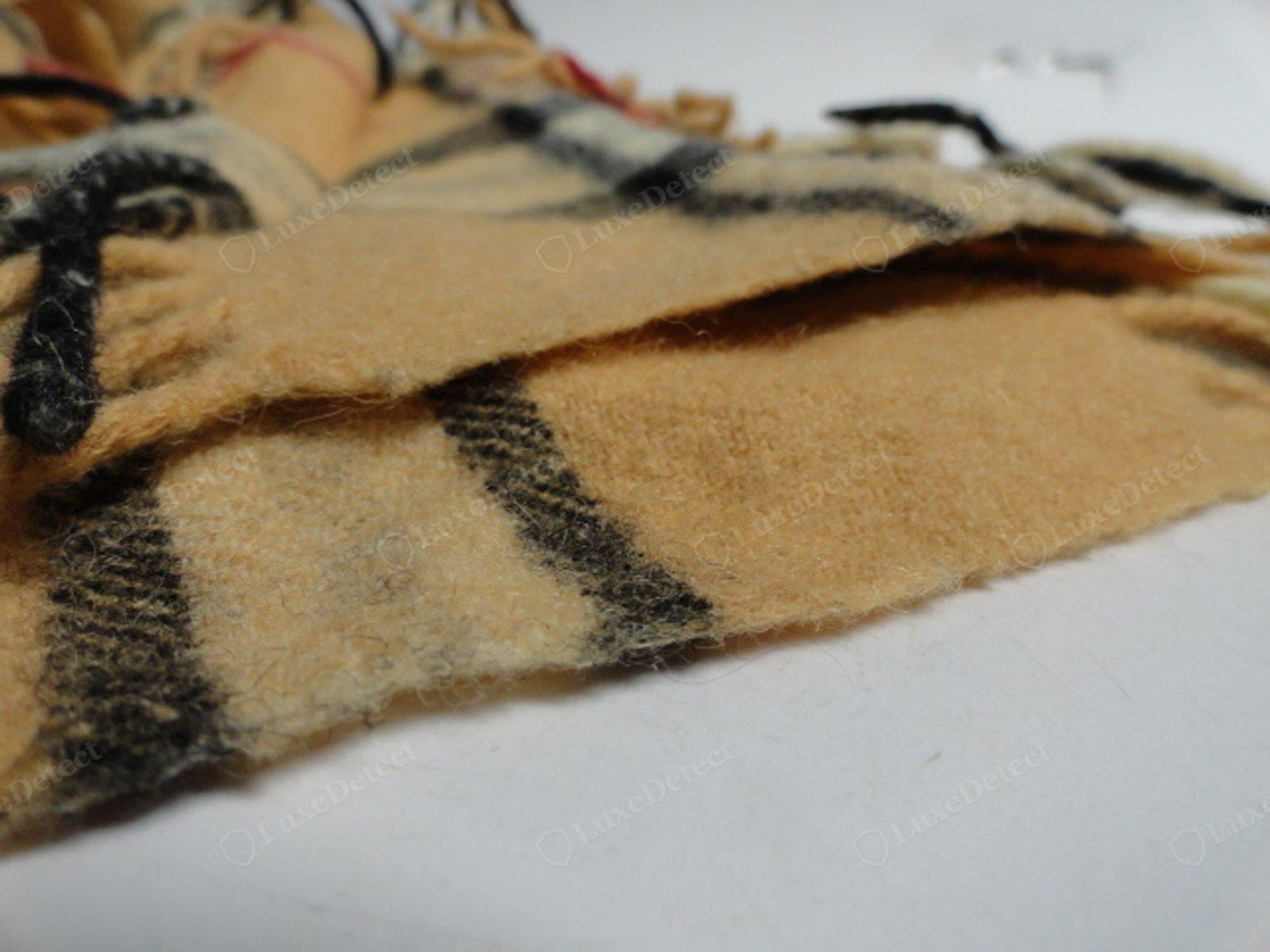
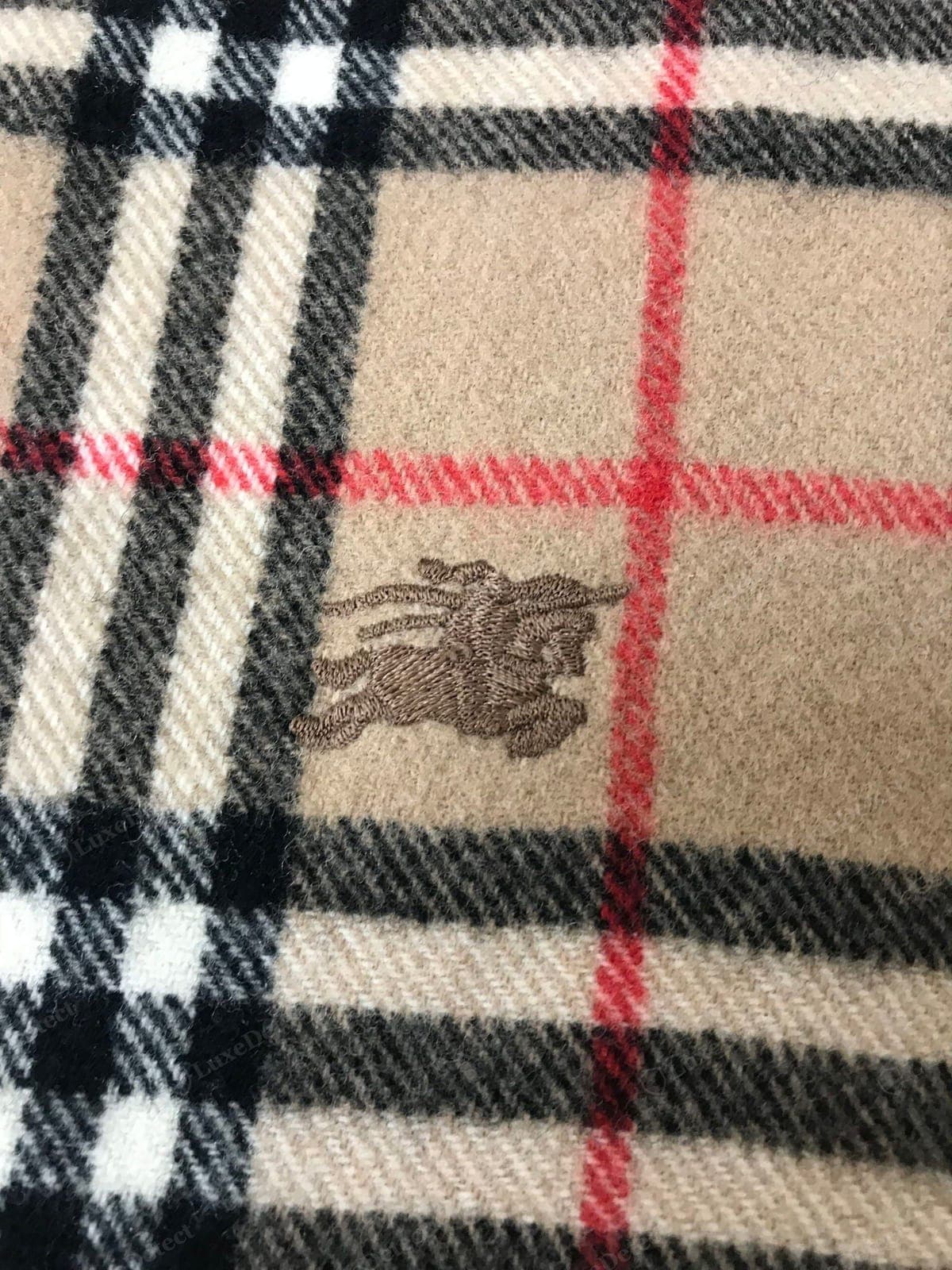
| Element | Authentic | Counterfeit |
|---|---|---|
| Construction | Woven through, pattern on both faces | Printed on one side, reverse blank or ghosted |
| Proportions | Exact camel/black/white/red geometry | Red line too thick, colour balance off |
| Alignment | Runs straight and square to the edge | Slightly skewed, drifts along the length |
| Colour | Warm camel, true black, clean red | Orange-ish camel, greyed black, dull or bright red |
Red flag
A check that is printed on one side only, with a blank or faint reverse. The genuine scarf is woven through and shows the pattern on both faces.
The Fringe
The fringe on a genuine Burberry scarf is hand-knotted or hand-twisted and cleanly finished.
Each fringe section is an even bundle of yarns, twisted or knotted close to the scarf body, all the same length, trimmed straight across. There is no glue, no serged edge, and the transition from woven body to fringe is clean — the last weft picks are secure so the scarf will not unravel. The fringe feels like the same cashmere as the body.
Fakes show fringe that is uneven in length or bundle size, a machine-serged or glued edge where the fringe meets the body, fringe in a slightly different (coarser) yarn than the scarf, or ends that are already fraying and shedding.
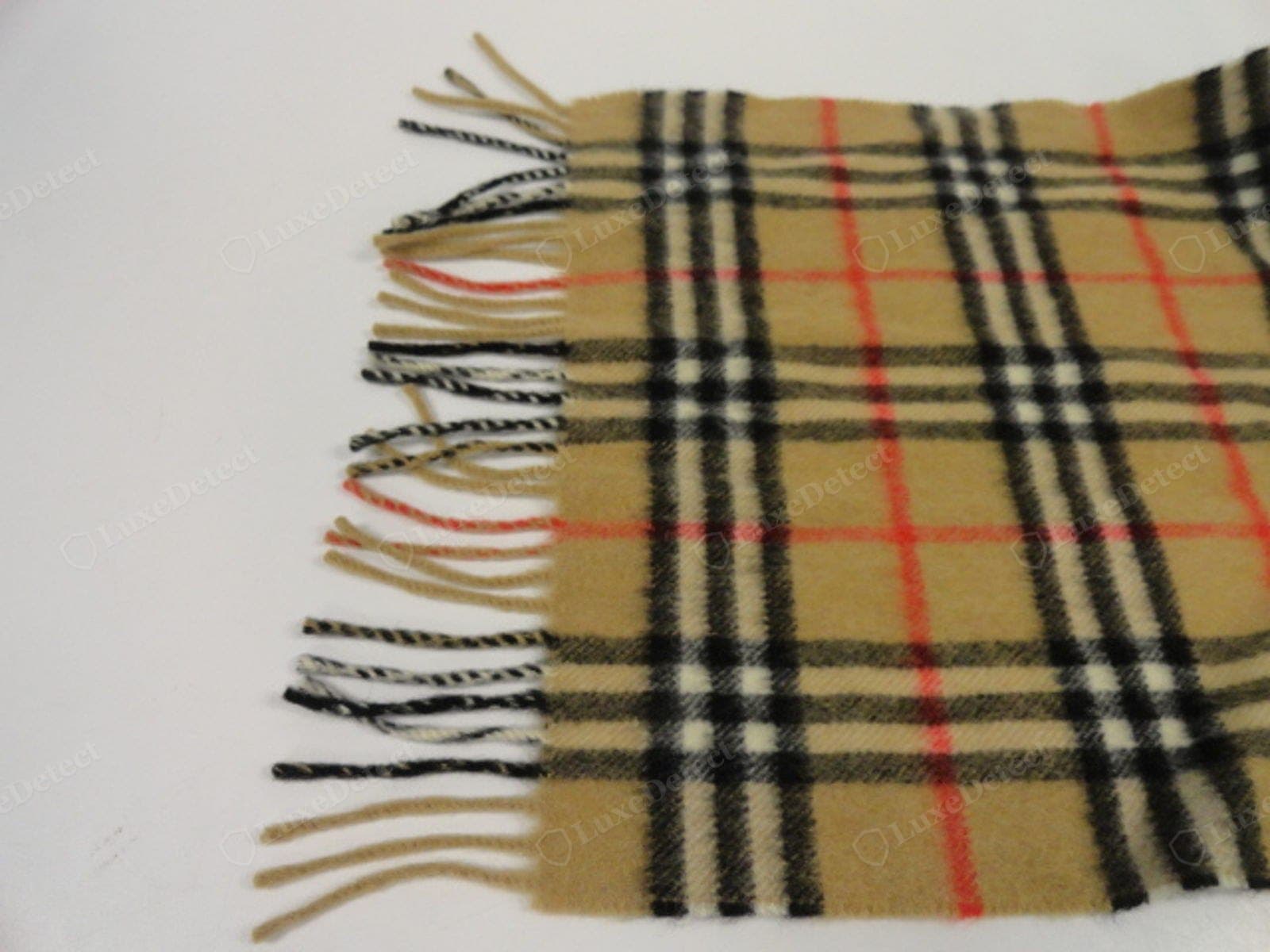
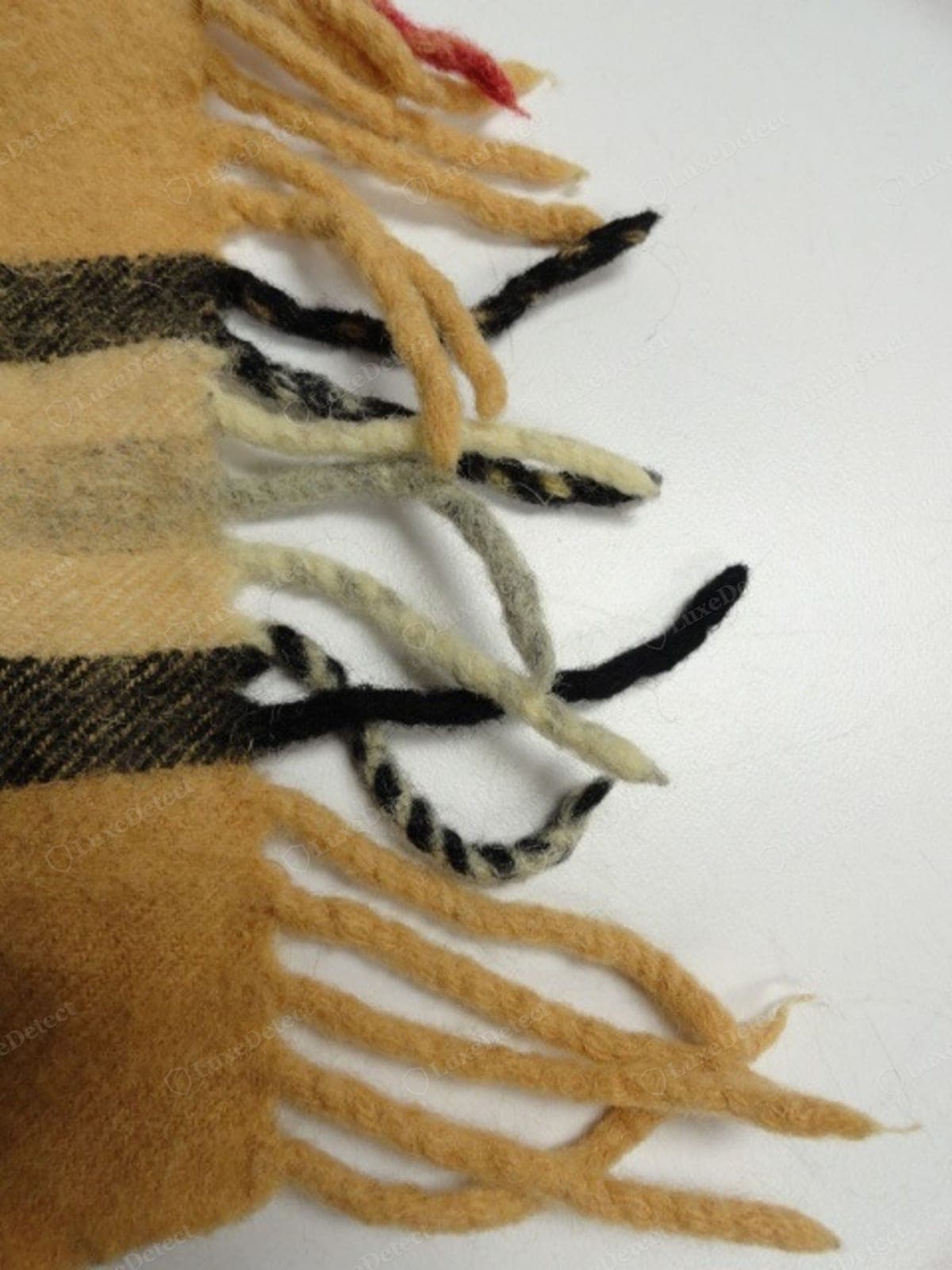
| Element | Authentic | Counterfeit |
|---|---|---|
| Bundles | Even, all one length, twisted/knotted close to the body | Uneven length and thickness |
| Body-to-fringe edge | Clean, secure last picks, no glue or serge | Serged, glued, or already unravelling |
| Yarn | Same cashmere as the body | Coarser or different yarn |
The Label
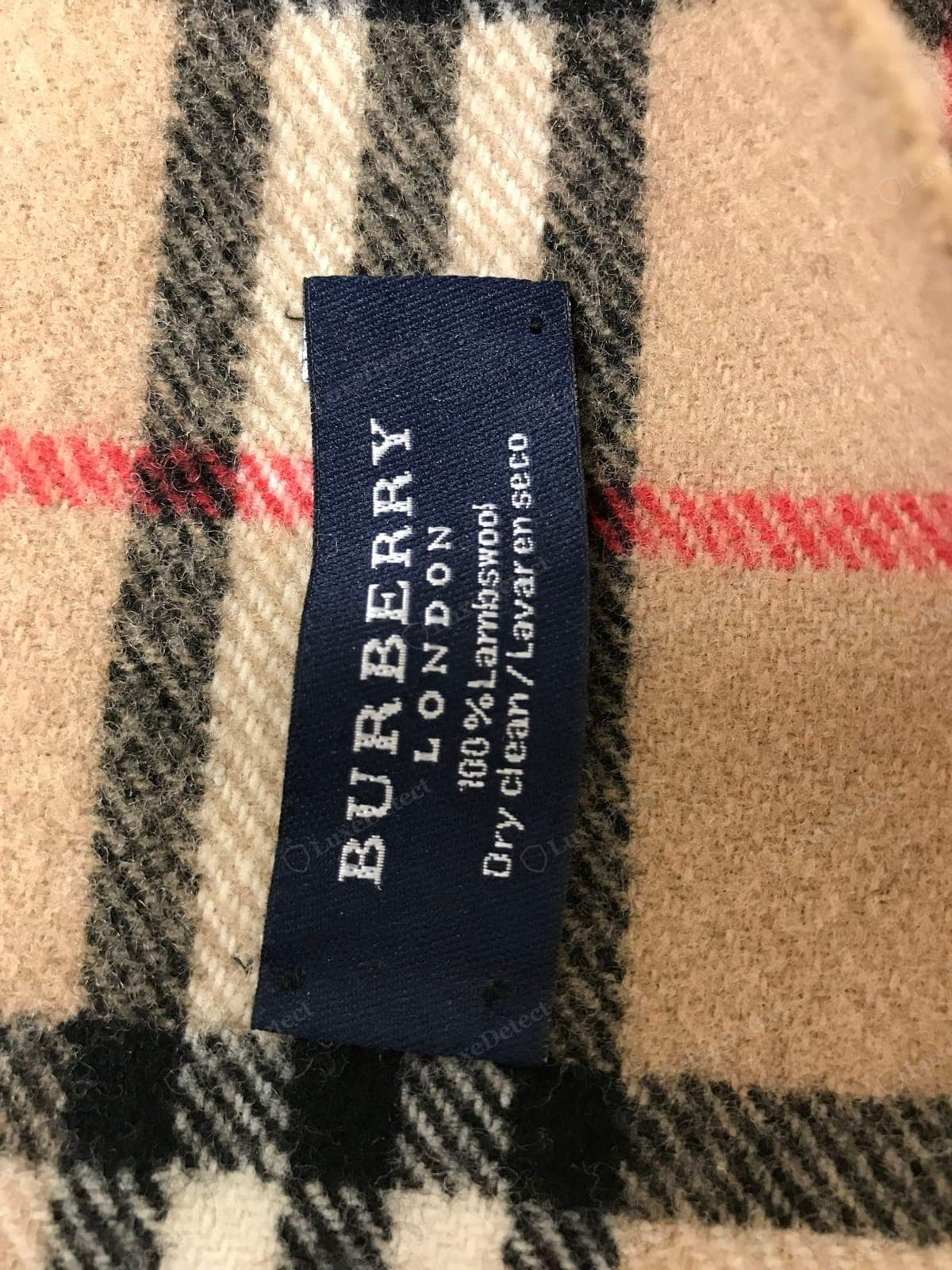
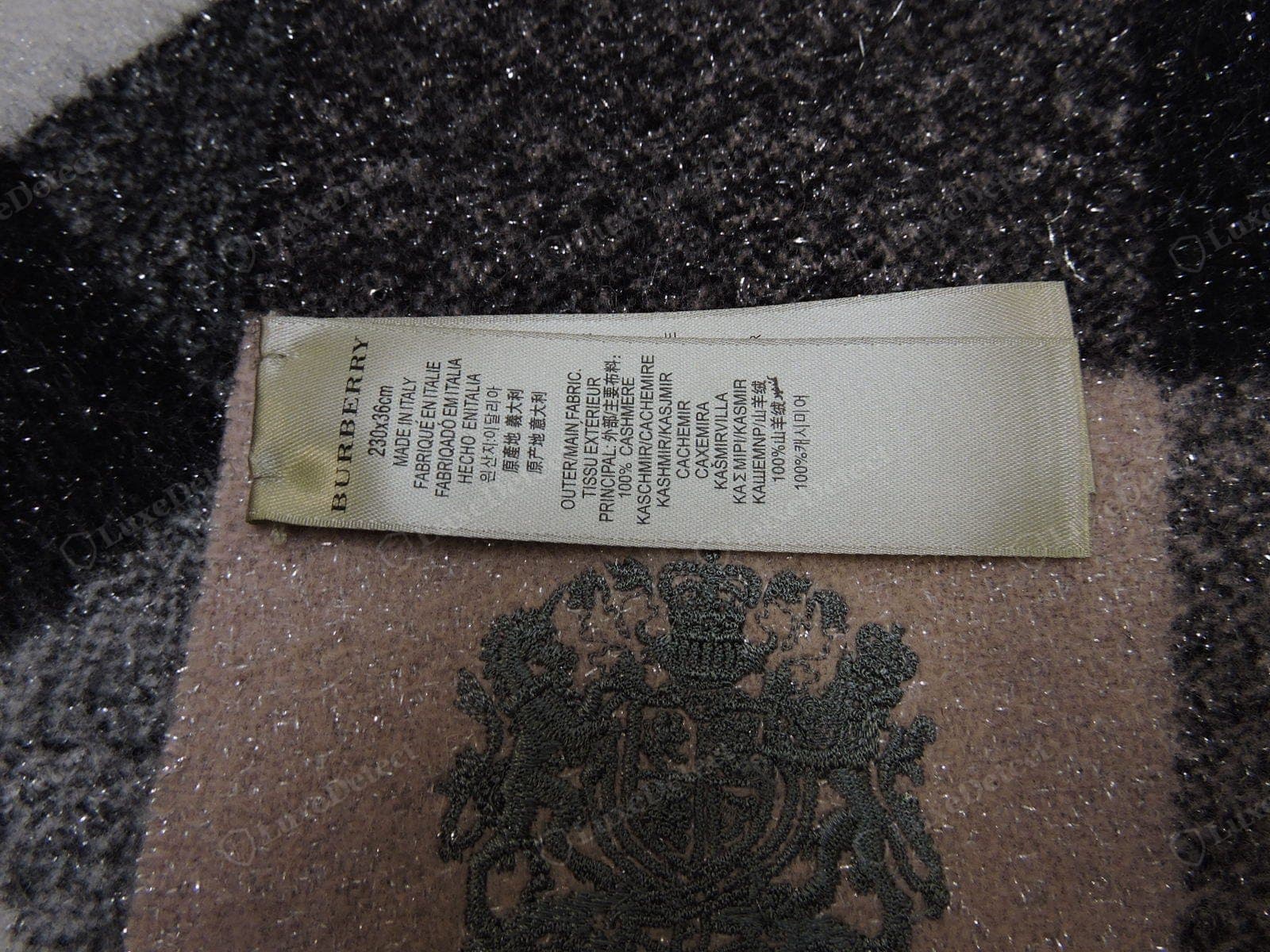
A genuine Burberry scarf has a single woven label stitched to one end, near the fringe.
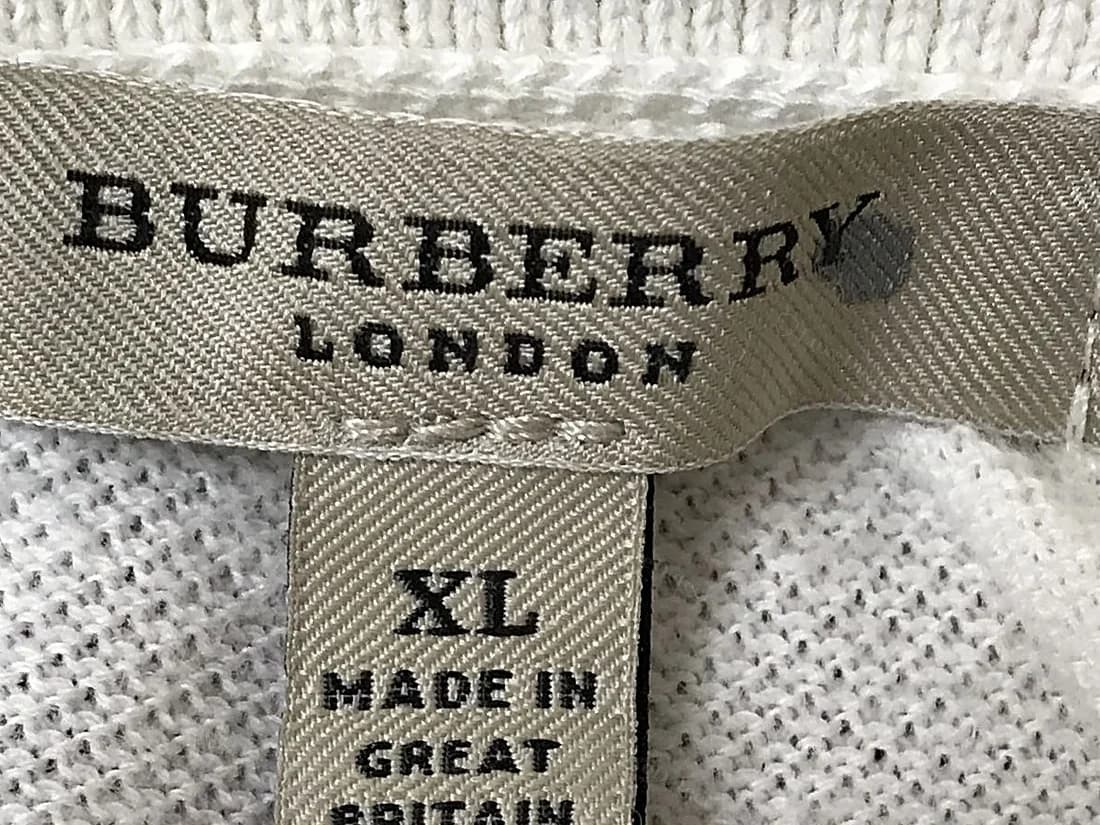
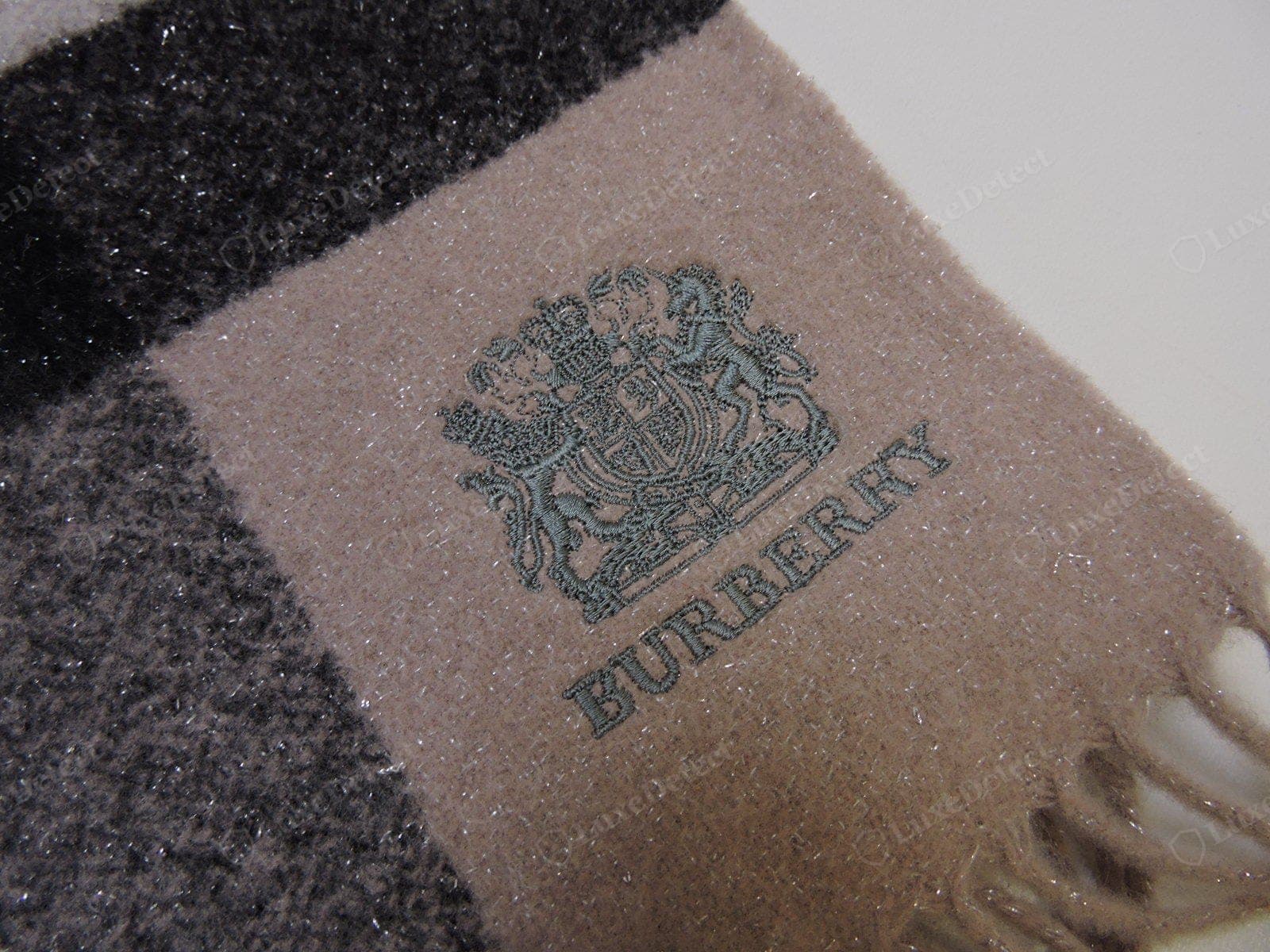
The label is woven (not printed), typically showing "BURBERRY" and "Made in Scotland" with the fibre content, in sharp lettering on a dense weave. It is sewn on two or four sides with small even stitches in matching thread, sitting flat against the scarf with no pucker. Some eras use "Burberrys," consistent with the scarf's age; if the item also carries a style code, our Burberry style code guide explains how to read it.
Fakes show a printed label or a loosely woven one with fuzzy lettering, a wrong or missing "Made in Scotland" (fakes often say made elsewhere, or omit origin), spelling errors, a label sewn on crookedly or with large loose stitches, or a modern logo on a scarf sold as older vintage.
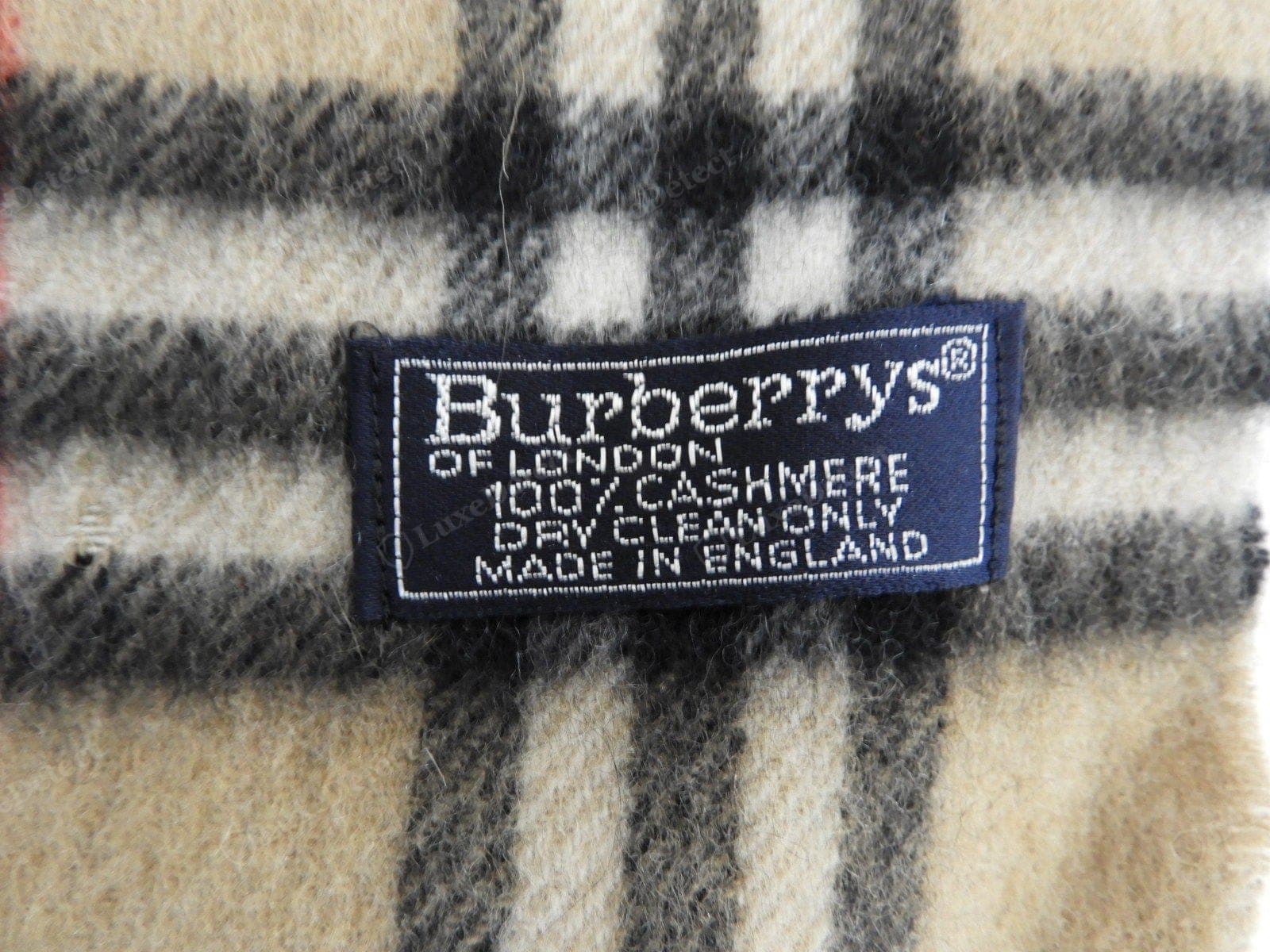
| Element | Authentic | Counterfeit |
|---|---|---|
| Label type | Woven, dense, sharp lettering | Printed or loose weave, fuzzy |
| Origin | "Made in Scotland" (classic cashmere scarf) | Made elsewhere, or origin omitted |
| Stitching | Small even stitches, flat, no pucker | Large loose stitches, crooked, puckered |
| Logo era | Matches the scarf's age ("Burberrys" vs "Burberry") | Wrong logo for the claimed vintage |
Red flag
A classic cashmere check scarf whose label does not say "Made in Scotland" (or is printed rather than woven). Burberry's cashmere scarves of this line are woven in Scotland.
Dimensions, Weight, and Finishing
The classic scarf measures roughly 168 cm × 30 cm plus fringe (the giant check and other sizes differ — check the version). A genuine cashmere scarf is light for its size, drapes softly, and folds to a small volume.
A fake that is noticeably larger or smaller than the documented size, feels heavy or dense (acrylic), is stiff, or does not drape is off. Check the long edges: a genuine scarf has clean woven selvedge edges, not hemmed or serged.
| Element | Authentic | Counterfeit |
|---|---|---|
| Size | ~168 × 30 cm plus fringe for the classic (±2 cm) | Noticeably off the documented size |
| Weight/drape | Light, drapes softly, folds small | Heavy or stiff, does not drape |
| Long edges | Clean woven selvedge | Hemmed or serged |
Worth knowing
Size and weight rule out a crude fake; a good synthetic copy can approximate them. Read alongside the fibre and check.
Packaging and Extras
A genuine scarf may come with a Burberry gift box, tissue, and a card. None of it authenticates the scarf — boxes and cards are reproduced and sold loose. A gift box with a blurry logo, thin card, or misspelled text is itself a warning, but a nice box around a synthetic scarf is still a fake.
| Element | Authentic | Counterfeit |
|---|---|---|
| Box/card | Crisp logo, substantial card, correct text | Blurry logo, thin card, misspellings |
Quick Authentication Checklist
- Feel the fibre — soft, dry, airy, warm and light; springs back; faint natural lustre; no pilling
- Check both faces — the check is woven through and appears on the reverse
- Read the check geometry — exact camel/black/white/red proportions, square to the edge
- Inspect the fringe — even hand-twisted bundles, clean secure transition, same yarn as the body
- Read the label — woven, sharp, "Made in Scotland," fibre content, sewn flat
- Measure against the documented size for the version; check for woven selvedge edges
Two or more failures means walk away. A printed one-sided check, or a fibre that pills and feels synthetic, is on its own sufficient.
When to Get a Professional Opinion
The market-stall fakes are obvious. The harder ones are $60–$90 "cashmere-blend" scarves that feel soft on a quick touch and use a woven (if slightly off) check. Separating those comes down to the fibre behaviour over a longer handle, the exact check geometry, the fringe finishing, and the label weave.
If you are buying online or as a gift and cannot handle it first, get a second opinion. LuxeDetect authenticates Burberry accessories from $15 with a verdict and Certificate of Authenticity within 24 hours. Send photos of both faces of the check, a fringe close-up, and the label. For Burberry ready-to-wear rather than accessories, see our Burberry clothing guide.
FAQ
How can I tell if a Burberry scarf is real cashmere?
Genuine cashmere is soft, dry, and airy, warm but light, with a faint natural lustre and a fine even halo of fibres. It springs back after scrunching and does not pill when new. Synthetic "cashmere" feels slippery and cool or coarse and scratchy, often has a faint sheen, stays creased, and may already be pilling on a new scarf.
Is the Burberry check on the scarf woven or printed?
Woven. On a genuine scarf the check is woven through the cloth, so the pattern appears on both faces — the same design, slightly softer on the reverse. A check printed on one side only, with a blank or ghosted reverse, is a fake tell.
Where are Burberry cashmere scarves made?
The classic Burberry cashmere check scarf is woven in Scotland, and the woven label says "Made in Scotland" along with the fibre content. A classic cashmere scarf whose label states a different origin, or whose label is printed rather than woven, is a red flag.
What should the fringe on a real Burberry scarf look like?
Even bundles of yarn, all the same length, hand-twisted or knotted close to the scarf body, trimmed straight across, in the same cashmere as the scarf. The transition from woven body to fringe is clean and secure. Uneven bundles, a serged or glued edge, coarser fringe yarn, or fraying ends indicate a fake.
Does a Burberry gift box mean the scarf is authentic?
No. Boxes, tissue, and cards are reproduced and sold loose by counterfeiters. A box with a blurry logo or misspelled text is a warning sign, but a genuine-looking box around a synthetic scarf is still a fake. The fibre, the woven check, and the label carry the verdict.
What size is a classic Burberry check scarf?
The classic cashmere check scarf is roughly 168 cm long by 30 cm wide plus the fringe. Other versions (the giant check, the reversible, the lightweight) differ, so check the size for the specific style. A scarf noticeably off the documented dimensions for its version is a concern.