Streetwear & Collectibles Authentication Specialist
Streetwear authentication specialist. Focuses on print quality, tagging, and seasonal production codes.
Published September 2026 · Contact
What Makes KAWS Figures a Target
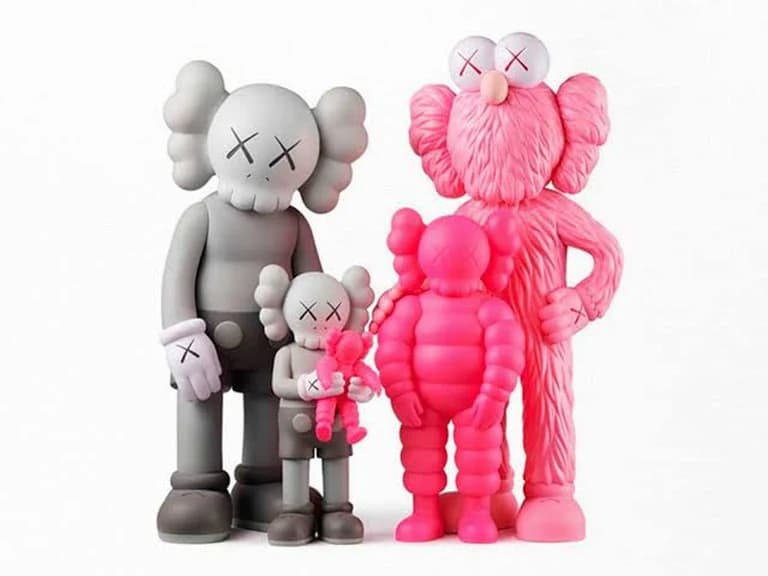
KAWS is the artist Brian Donnelly, and his best-known character is the Companion: a skull-and-crossbones head with crossed-out X eyes, released as vinyl figures since 1999. Most of the classic figures were produced with Medicom Toy; later releases have come through KAWS's own channels. Open-edition Companions resell well above retail, and larger or rarer figures much higher, which makes KAWS one of the most counterfeited names in designer toys.
The useful fact for a buyer is that KAWS releases are finite and documented. Every genuine figure matches a known release in its pose, colourway and packaging. A "new colourway" or "factory sample" that isn't in the record is the first thing to question.
Worth knowing
This guide is built from how genuine KAWS releases are made and packaged and from counterfeit patterns widely documented by collectors and galleries. We don't yet have a large enough set of confirmed counterfeit KAWS photos from our own orders for a full photo comparison. When we do, this guide will be upgraded.
Check the Release First
Before judging any detail, identify the exact release: the figure's name, pose, colourway, size and year. Then compare against official release images of that same piece.
- Colourway exists: every genuine colourway was released officially. An "unreleased", "sample" or "factory error" colourway is a common scam.
- Pose and accessories match: arm positions, hands and any accessory (a globe, a smaller figure, a book) should match the release exactly.
- Size matches: open-edition Companions stand about 28 cm (11 inches); other releases have their own documented sizes.
The X Eyes and Paint
The X eyes are the signature detail and should be sharp, symmetrical and aligned, with even stroke width. The same goes for the XX marks on hands and feet where the release has them.
| Check | Genuine | Often reported on fakes |
|---|---|---|
| X eyes | Symmetrical, crisp, same stroke width | Uneven, smudged, or misaligned |
| Paint edges | Clean colour transitions | Overspray, bleeding, fuzzy edges |
| Finish | Even, low-glare | Tacky or overly glossy, streaky |
| Surface | Smooth, no bumps | Pits, rough spots, visible flash |
Weight and Build
Genuine figures feel solid and dense in the hand. Collectors consistently report that counterfeits feel lighter and more hollow, with softer vinyl and looser joints. Weight is hard to judge from photos, so ask the seller to weigh the figure and compare it with a genuine example if you can.
The Foot Stamps
Genuine figures carry a moulded or printed stamp underfoot with the KAWS copyright and the year of the release, typically alongside the manufacturer (MEDICOM TOY on Medicom releases) and "MADE IN CHINA". The text should be clean, evenly spaced and correct for that release's year.
Fakes may miss the stamp, blur it, or carry a year that doesn't match the release. Check the year against the release you identified above.
Worth knowing
A correct stamp is expected on a genuine figure, but good recasts copy stamps too. A missing or wrong stamp is strong evidence of a fake; a correct one only means the figure passed one check.
Packaging and the Hologram Sticker
Medicom-produced KAWS figures ship in printed boxes that carry a hologram sticker whose colour shifts as you tilt the box. Check the box size and design, the fonts and spacing, and any release-date sticker against the genuine release.
Many replicas copy the box closely but miss the hologram, or use a flat foil sticker that doesn't shift. Genuine boxes can also be emptied and refilled, so a correct box is context, not proof.
Seller Red Flags
- A price well below recent sales for the same release.
- "Unreleased", "sample" or "factory error" pieces.
- Many identical "brand new, sealed" figures from one seller.
- Stock photos only, or no photos of the underside and box.
When to Get a Professional Opinion
The best KAWS recasts pass a quick look at the eyes and the box. For anything expensive, and especially for larger or older figures, get the piece checked before you pay.
LuxeDetect authenticates KAWS figures from photos, from $9 with a 24-hour turnaround, and every verdict comes with a Certificate of Authenticity. See our KAWS authentication page for the photos we need: the figure from every side, the underside of both feet, and the box.
FAQ
How can I tell if a KAWS figure is real?
Identify the exact release first, then compare the X eyes, paint, pose and foot stamp against official images of that release. Check the box for the colour-shifting hologram sticker. An "unreleased" colourway or a price far below recent sales is a strong warning sign.
Do real KAWS boxes have a hologram sticker?
Medicom-produced KAWS figures carry a hologram sticker that changes colour as the box moves. Many replicas are missing it or use a flat foil sticker. The sticker proves the box, not the figure inside.
What is stamped on the bottom of a KAWS figure?
The KAWS copyright and the release year, typically with the manufacturer (MEDICOM TOY on Medicom releases) and "MADE IN CHINA". The year should match the release.
Are "factory error" KAWS figures real?
Be very careful. "Factory error" and "unreleased colourway" listings are a common way to sell counterfeits, because they explain away differences from the genuine release.
Who is KAWS?
KAWS is the American artist Brian Donnelly. His Companion character, with its crossed-out X eyes, has been released as vinyl figures since 1999.