Luxury Fashion Authentication Specialist
Handbag authentication specialist. Has reviewed submissions across Hermès, Chanel, Louis Vuitton, and Dior since 2019.
Published July 2026 · Contact
Why Model Identification Matters More for The Row
Most luxury handbag buyers can identify a bag's model from its exterior branding alone. The Row's minimal-logo design philosophy means buyers — and resale platforms — rely on precise silhouette recognition instead. This guide covers the brand's core, most-resold styles.
The Margaux
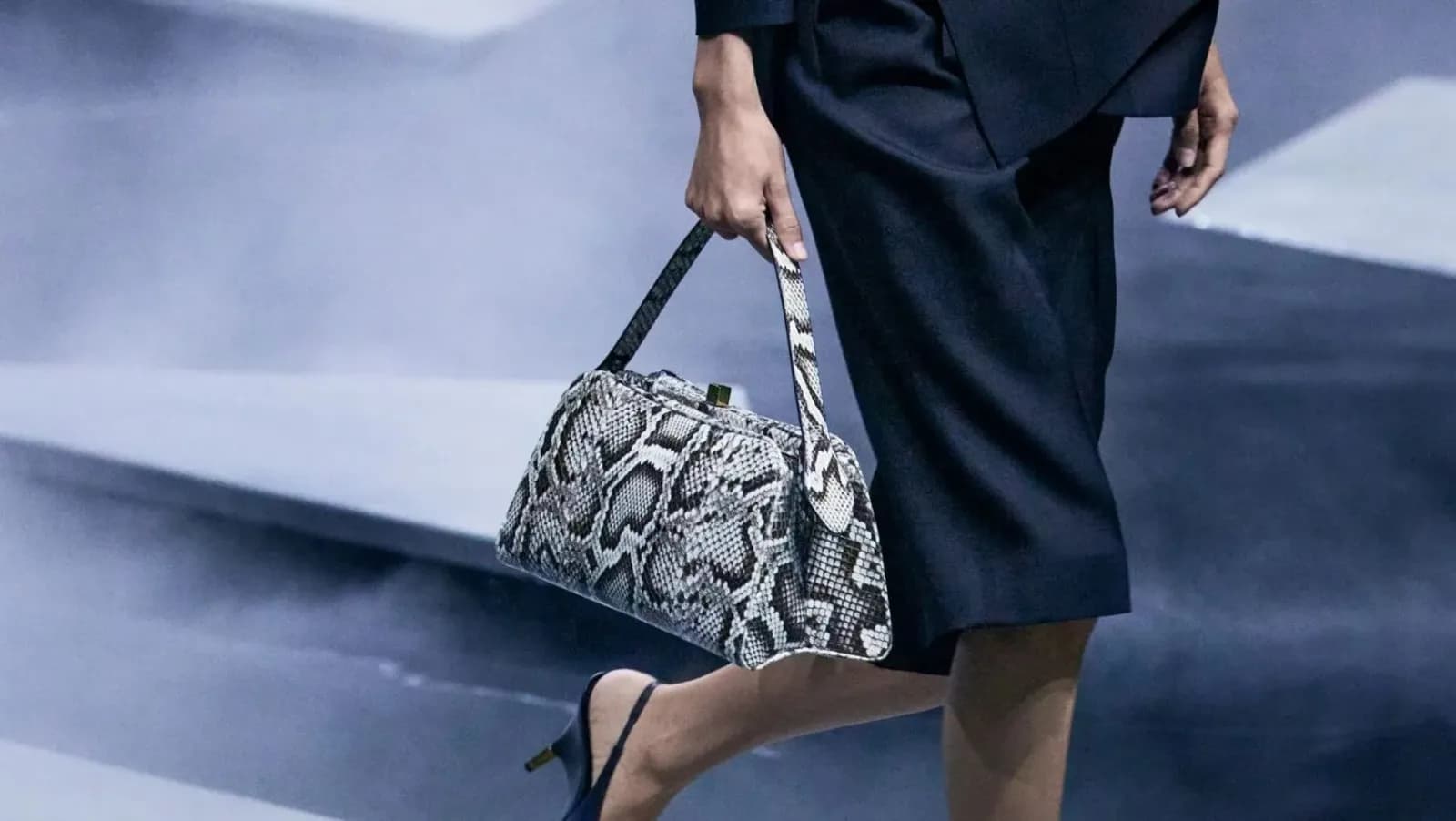
The Margaux is The Row's most recognized and most resold handbag, defined by a soft, slouchy silhouette with a distinctive fold at the top and a simple loop handle.
- Silhouette: A structured-but-relaxed rectangular base that softens into a folded top opening, available in multiple sizes (commonly referenced as Margaux 10, 12, and 15, corresponding to width in inches)
- Handle: A single, thin rolled-leather top handle
- Hardware: Minimal — typically just a small loop or stud where the handle meets the body, in a matte finish consistent with the brand's understated hardware approach across its whole line
- Leather: Available in smooth calfskin and more textured or pebbled leather options depending on the season
The Sofia
The Sofia is a structured tote-style bag, generally larger and more architectural than the Margaux, aimed at an everyday/work-bag use case.
- Silhouette: A more rigid, boxier tote shape compared to the Margaux's soft fold
- Handles: Dual top handles, proportioned for both hand-carry and shoulder wear depending on size
- Use case: Positioned as The Row's answer to a structured daily tote, in contrast to the Margaux's softer, more casual identity
The N/S Park Tote
The N/S ("North/South") Park Tote is an open-top tote with vertical orientation, popular for its simplicity and capacity.
- Silhouette: Tall, vertically-oriented rectangular tote with an open top
- Handles: Simple dual top handles
- Positioning: A more casual, minimal-hardware option compared to the Sofia, closer in spirit to an elevated canvas tote executed in fine leather
Other Notable Styles
- The Bourse — a smaller, more structured top-handle bag with a boxier silhouette than the Margaux
- The Ashley (note: distinct from the co-founder's name coincidence) and other seasonal styles — rotate more than the core lineup and require closer cross-referencing against a specific season's lookbook for identification
What to Check Once You've Identified the Model
Once you've matched a bag to its correct model, our Khaite authentication guide covers the same category of construction checks relevant here — hardware weight, leather grain, and fold/seam precision — since both brands share the no-logo, construction-first authentication challenge. For The Row specifically, the interior stamp (a small, minimally printed brand mark) and stitching consistency along the Margaux's signature fold are the most useful physical checks.
Quick Model Comparison
| Model | Silhouette | Best for |
|---|---|---|
| Margaux | Soft, folded top, single loop handle | Everyday, most recognized resale style |
| Sofia | Structured, boxy tote | Work/daily structured carry |
| N/S Park Tote | Tall, vertical, open top | Minimal, high-capacity casual carry |
| Bourse | Smaller, structured top-handle | Compact, more formal occasions |
FAQ
What is The Row's most popular and most resold bag?
The Margaux, by a significant margin — it's the brand's signature silhouette and the style most frequently seen on the resale market.
How do I tell the Margaux 10, 12, and 15 apart?
The numbers refer to approximate width in inches — Margaux 10 is the smallest and most compact, Margaux 15 the largest. Side-by-side comparison against reference photos for the specific size claimed in a listing is the most reliable way to confirm.
Does The Row put a visible logo on any of its bags?
Not typically on the exterior. Identification relies on silhouette, hardware style, and leather quality rather than a monogram or external wordmark, consistent with the brand's overall design philosophy.
Are The Row bags worth buying secondhand?
Generally yes — the brand's material quality and consistent, non-trend-driven design support resale value better than many logo-driven luxury handbags. As with any no-logo luxury brand, verifying authenticity through construction details rather than branding is the key extra step for buyers.