Luxury Market Analyst
Handbag authentication specialist. Has reviewed submissions across Hermès, Chanel, Louis Vuitton, and Dior since 2019.
Last updated August 2026 · Published July 2026 · Contact
From Full House to Fashion House
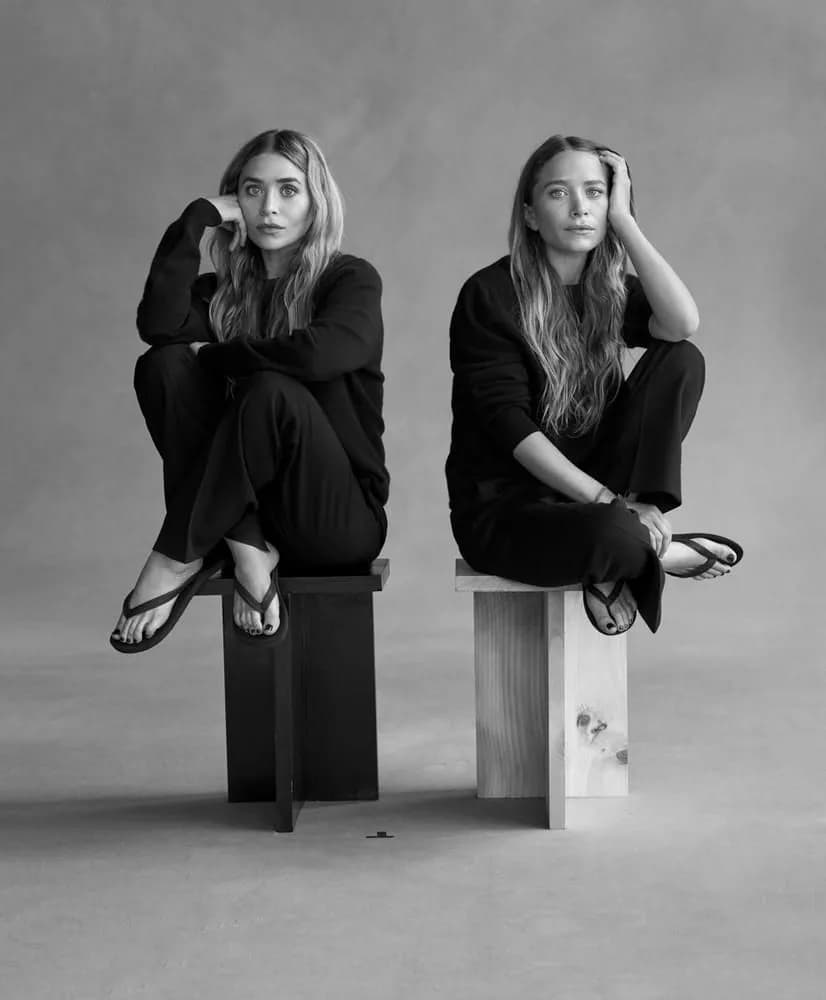
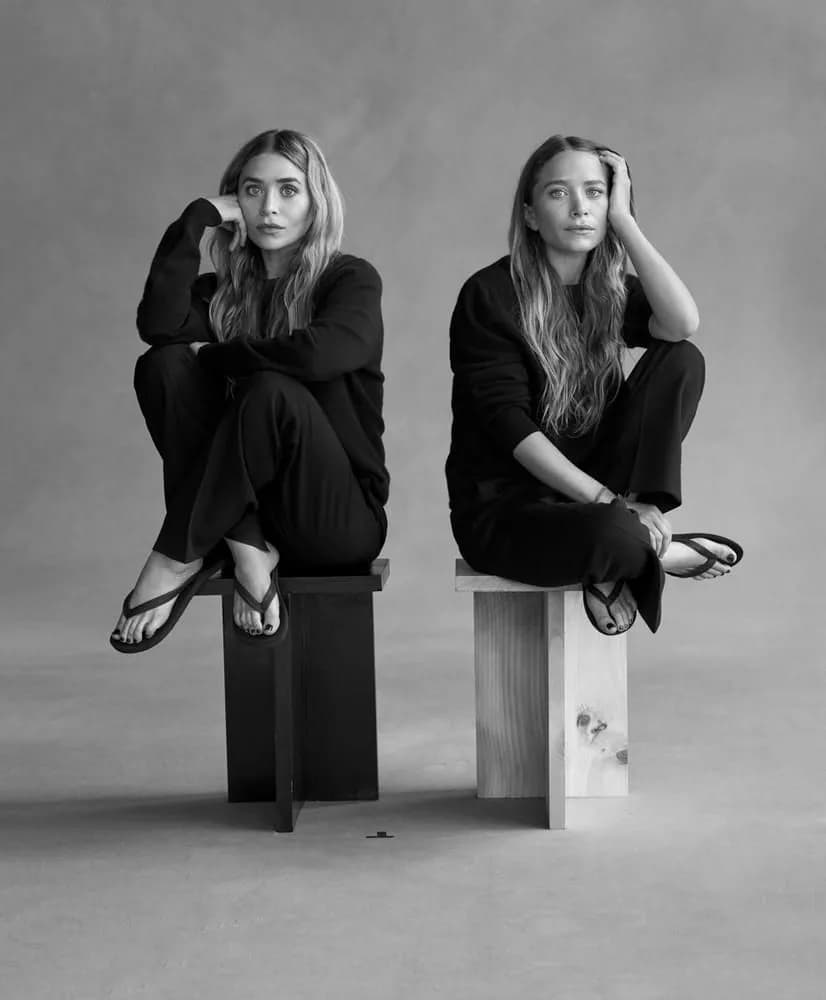
Mary-Kate and Ashley Olsen began as child actors, best known for their roles on the television series *Full House* starting in the late 1980s, and went on to build an extensive media and merchandising business as teenagers through the 2000s. In 2006, they took a sharply different direction: founding The Row, a womenswear label named after Savile Row, London's historic street of bespoke tailoring — a deliberate signal of the brand's intended focus on construction and craft rather than celebrity branding.
This distinction matters for understanding The Row's positioning. Unlike most celebrity fashion ventures, which lean on the founder's public image, The Row has been defined from the outset by minimal branding, restrained design, and materials-first pricing — the opposite of a logo-driven celebrity label.
Design Philosophy: Quiet by Design
The Row's aesthetic is built around a small set of principles that have remained consistent since its founding:
- No visible branding. Bags, shoes, and ready-to-wear rarely carry an exterior logo — identification relies on silhouette, proportion, and construction quality rather than a wordmark
- Fabric and construction over trend. Collections favor precise tailoring, high-grade materials (fine cashmere, exceptional leather), and minimal ornamentation over seasonal statement pieces
- Deliberately limited color and print. Neutral tones and clean silhouettes dominate, reinforcing the brand's identity through consistency rather than novelty
This approach placed The Row early in what the fashion industry now broadly calls "quiet luxury" — a positioning that has proven durable rather than trend-dependent, and one that predates the term's popularization by roughly a decade and a half.
Industry Recognition
The Row has received significant recognition from the fashion establishment, including the CFDA (Council of Fashion Designers of America) Award for Womenswear Designer of the Year in 2012 — a rare honor for a brand only a few years into operation, and one that signaled the industry was evaluating The Row on design merit rather than as a celebrity vanity project.
Why The Row Resells So Well
The Row's combination of minimal branding, exceptional material quality, and design consistency across seasons has made it a standout performer in the resale and pre-owned luxury market:
- Timeless design means pieces don't visibly date the way trend-driven collections do, supporting stronger resale value years after original purchase
- Material quality (particularly leather goods and cashmere) holds up well physically, which matters directly for resale condition and pricing
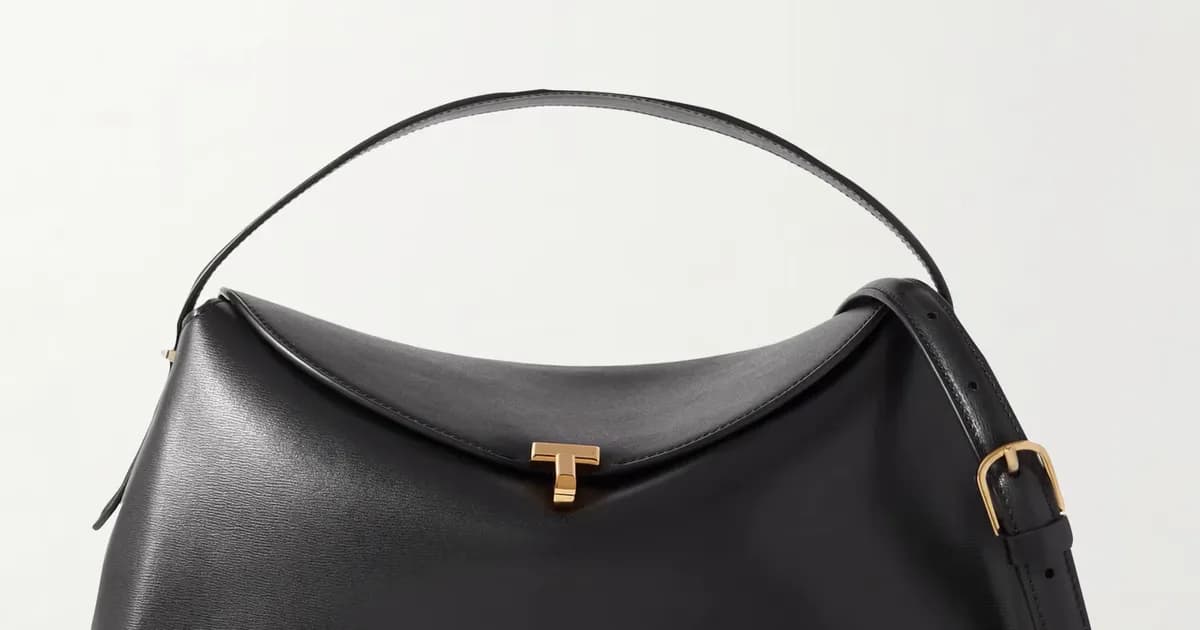
- Growing demand outpacing supply — The Row produces in relatively limited quantities and doesn't discount aggressively, which has pushed some pieces, particularly bags like the Margaux, toward strong secondary-market pricing
The Authentication Angle
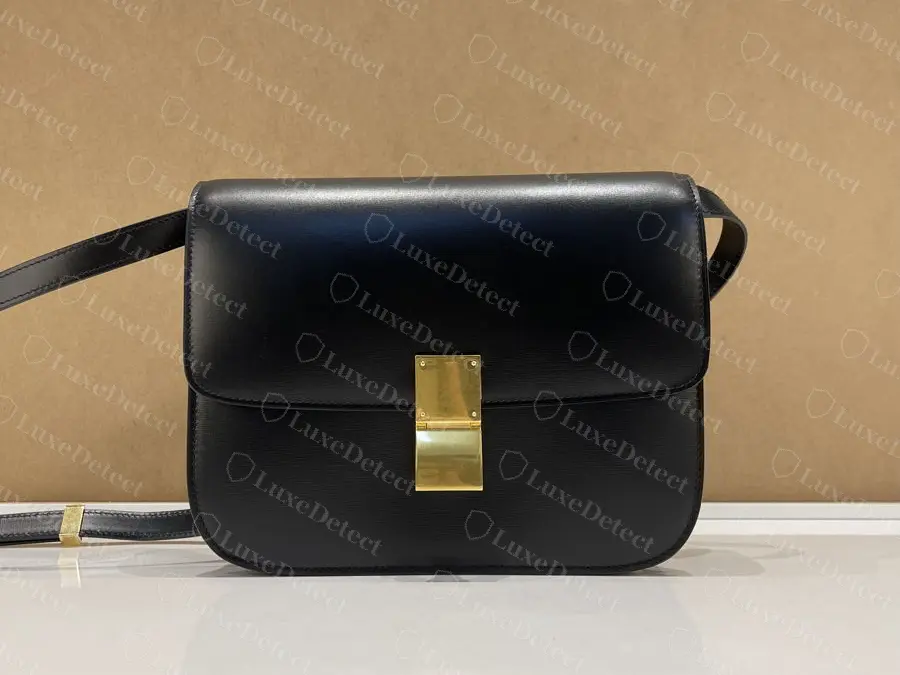
The same minimal branding that defines The Row's aesthetic is exactly what makes counterfeiting and authentication more complex than for logo-driven brands. Without a monogram or prominent wordmark to compare, verifying a Margaux or Sofia bag comes down to leather grain, hardware weight, fold construction, and interior stamp printing — the same category of checks covered in our Khaite authentication guide, another quiet-luxury label built on the same no-logo principle.
Related comparisons
If you're weighing options, these related breakdowns cover adjacent ground:
FAQ
Are Mary-Kate and Ashley Olsen still actively involved in The Row?
Yes, both sisters remain co-founders and are actively involved in the brand's design direction, unlike many celebrity-founded labels that transition to licensing arrangements with limited founder involvement.
Why is it called "The Row"?
The name references Savile Row, the London street historically associated with bespoke, high-craft men's tailoring — signaling the brand's intended emphasis on construction and quality over trend or celebrity association.
Is The Row considered a true luxury brand by the fashion industry?
Yes. The Row has received industry recognition including the CFDA Award for Womenswear Designer of the Year, and is generally discussed alongside established luxury houses on the basis of design and construction quality rather than as a celebrity-adjacent label.
Why doesn't The Row use visible logos on its products?
It's a deliberate, consistent design philosophy since the brand's 2006 founding — identification through silhouette and construction quality rather than branding, which has become closely associated with the broader "quiet luxury" aesthetic movement.