Contemporary Luxury Authentication Expert
Luxury accessories authenticator. Covers small leather goods, belts, and eyewear.
Last updated September 2026 · Published March 2026 · Contact
Polène: Why a "Quiet Luxury" Brand Is Now Being Faked
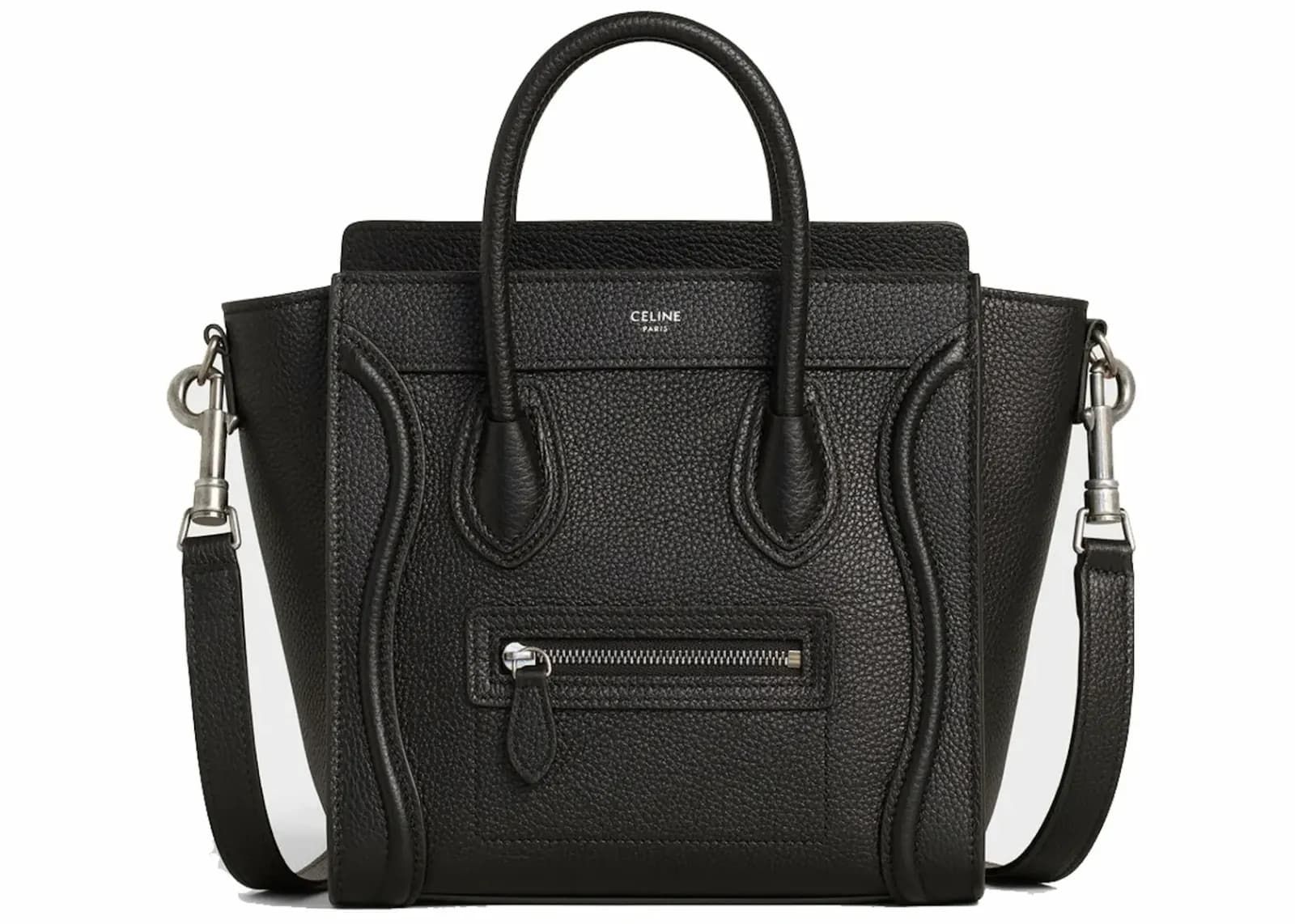
Polène launched in 2016 with a simple proposition: French-designed minimalist bags at a price point between fast fashion and established luxury houses. The brand grew almost entirely through word of mouth and organic social media, which created genuine consumer desire. The Numéro Un and Numéro Dix became icons of the "quiet luxury" aesthetic that defined bag purchases in the early 2020s, alongside comparable structured totes like the Celine Luggage.
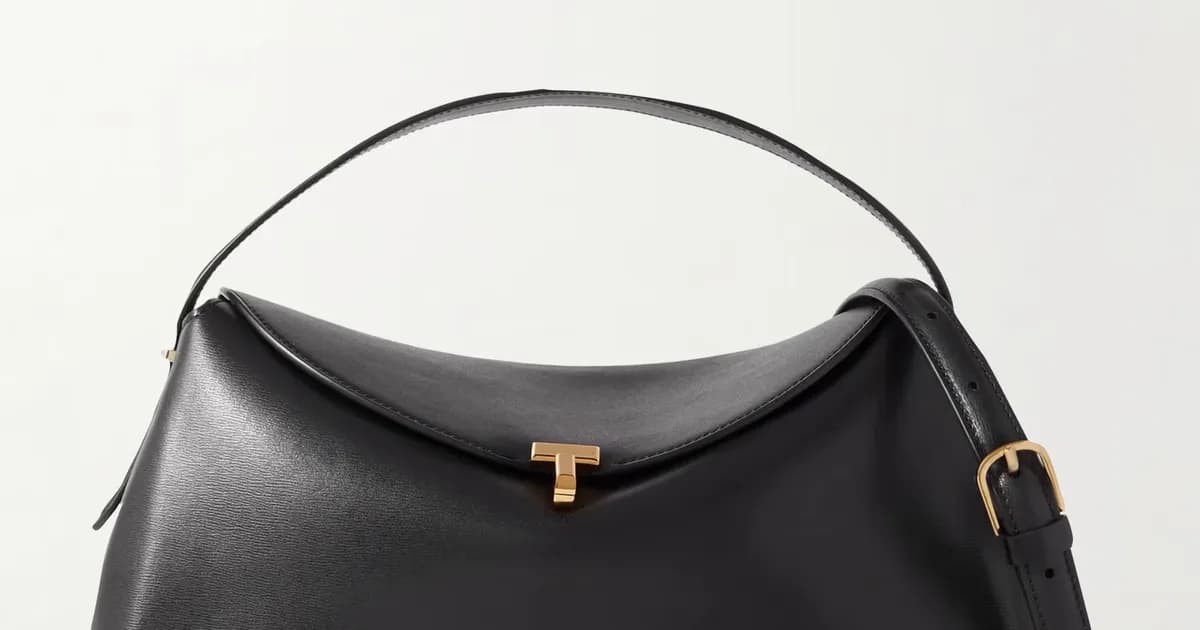
Counterfeiting followed success. Polène bags retail at $350–$600, a price range that makes them attractive to copy because buyers often don't have the same level of brand recognition that would make them cautious about fakes. Unlike Hermès or Chanel buyers who are often steeped in authentication knowledge, many Polène buyers are first-time premium-bag purchasers who may not know what to look for. The same "quiet luxury, new to the category" dynamic shows up with Toteme's T-Lock bag, a similarly minimalist newer-house design.
Most-Faked Models
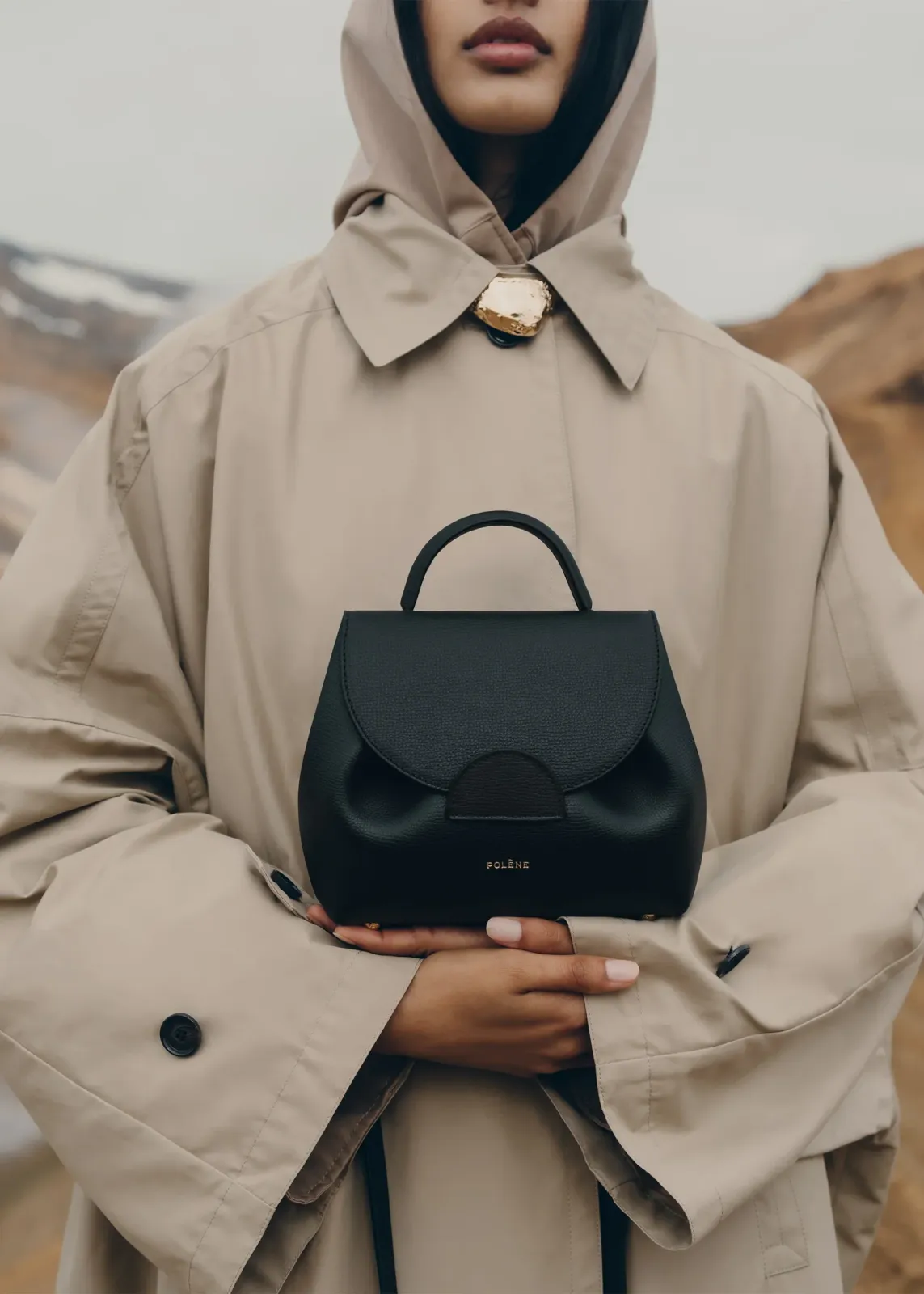
Numéro Un: The signature Polène style. A structured bag with a distinctive front fold/knot detail, a trapezoidal body, and a top handle plus optional shoulder strap. The fold detail is the primary authentication point.
Numéro Dix: A cleaner, more rectangular bag without the fold detail. Minimalist to the point where the brand name embossing is the primary brand identifier.
Numéro Neuf: A small structured bag with an interesting angular construction. Less frequently faked but appears on secondary markets.
This guide focuses on the Numéro Un and Dix as the highest-volume fakes.
What to check, ranked by reliability
| Checkpoint | Reliability | What it tells you |
|---|---|---|
| 2. The Numéro Un Fold and Knot | ★★★★★ | A stitched centre seam running down the flap and body is decisive — the authentic front is a single cut panel with no vertical seam. |
| 1. Leather Quality | ★★★★★ | A coarse, uniformly repeating pebble grain reads as stamped rather than natural hide, though it needs a side-by-side comparison with a verified genuine bag to judge confidently. |
| 4. Interior Labels and Serial System | ★★★★★ | Mismatched font weight or case between the "POLÈNE" and country lines on the embossed tag supports a verdict, but the country itself (France or Spain) does not. |
| 5. Stitching | ★★★★★ | Useful for evenness and tension, but contrast thread color alone proves nothing — Polène uses it by design on some models. |
| 6. Packaging | ★★★★★ | Context only — a correct dust bag or box proves nothing about the bag inside it. |
Leather Quality
Polène uses calfskin or goat leather depending on the specific style and version. Both are natural leathers with specific texture and handle characteristics.
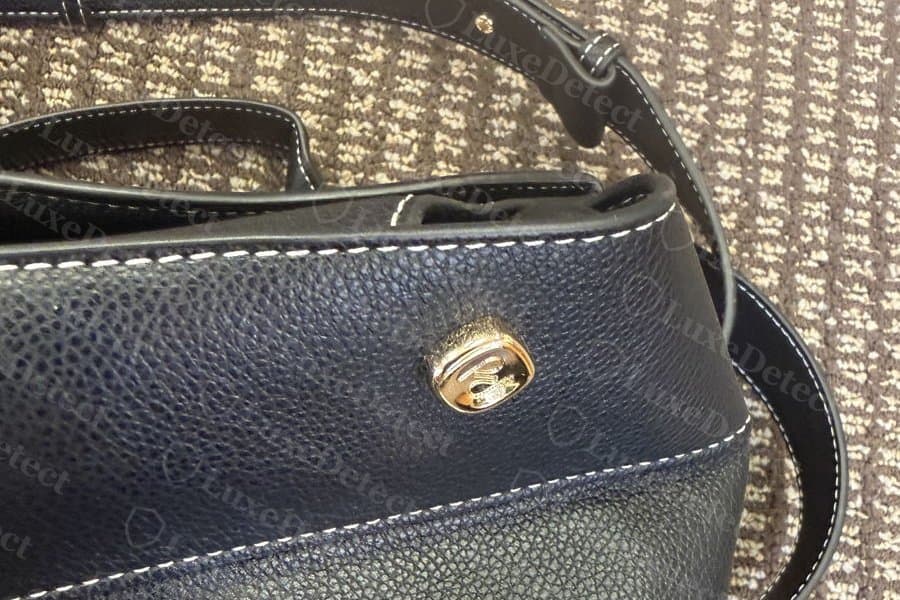
Calfskin (Numéro Un standard): Should be supple but hold its structure. The texture is smooth with a fine, consistent grain that reads as part of the hide, not printed on top of it. Press the leather gently — it yields slightly under pressure and returns to shape. Fake leather tends to be either too stiff or too soft, and the surface texture is frequently wrong: either an unnaturally uniform pebble (stamped, repeating) or a grain that looks too flat and matte to be real hide.
Worth knowing
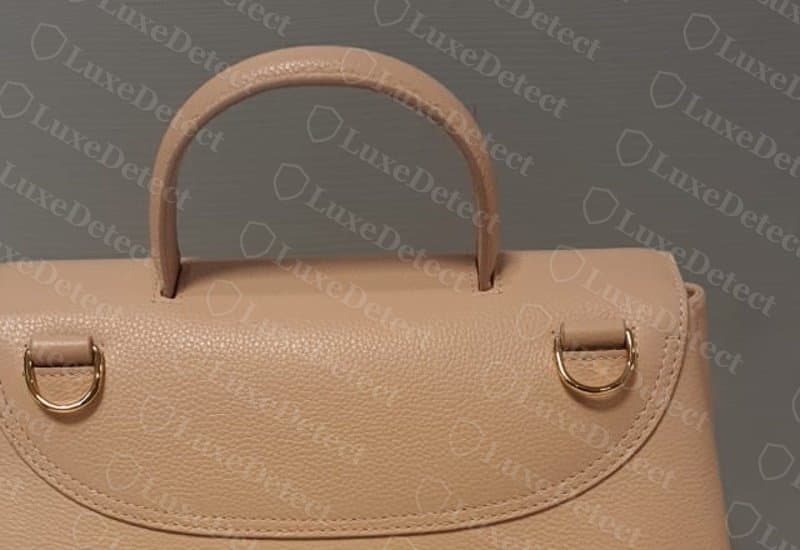
Contrast stitching by itself does not prove a fake — Polène uses it deliberately on some models (the Nodde, for one). What's telling here is the grain: the authentic panel's pebble is finer and slightly irregular, the way a natural hide reads; the counterfeit's pebble is coarser and repeats more uniformly, which is what a stamped, mass-produced texture looks like.
Textured versions (Tricoter, Nœud): Polène offers versions with woven or braided leather patterns. The weave should be precisely executed — consistent spacing between the leather strips, even tension across the surface. Fake textured Polène often has inconsistent weave tension or strips that pull apart at stress points.
Smell: Natural leather has a clean, slightly earthy smell. Any chemical, plastic, or glue smell indicates fake leather.
Color evenness: Authentic Polène leather dyes penetrate the leather, so the color is even and consistent, not sitting on the surface. Any patchy coloring or visible color variation across the bag indicates a quality issue inconsistent with authentic production.
| Element | Authentic | Counterfeit |
|---|---|---|
| Grain | Fine, slightly irregular, reads as natural hide | Coarser, uniform, repeating "stamped" texture |
| Feel | Yields slightly under pressure, returns to shape | Too stiff or too soft |
| Smell | Clean, slightly earthy | Chemical, plastic, or glue smell |
| Color | Even and consistent, dye penetrates the leather | Patchy, sits on the surface |
The Numéro Un Fold and Knot
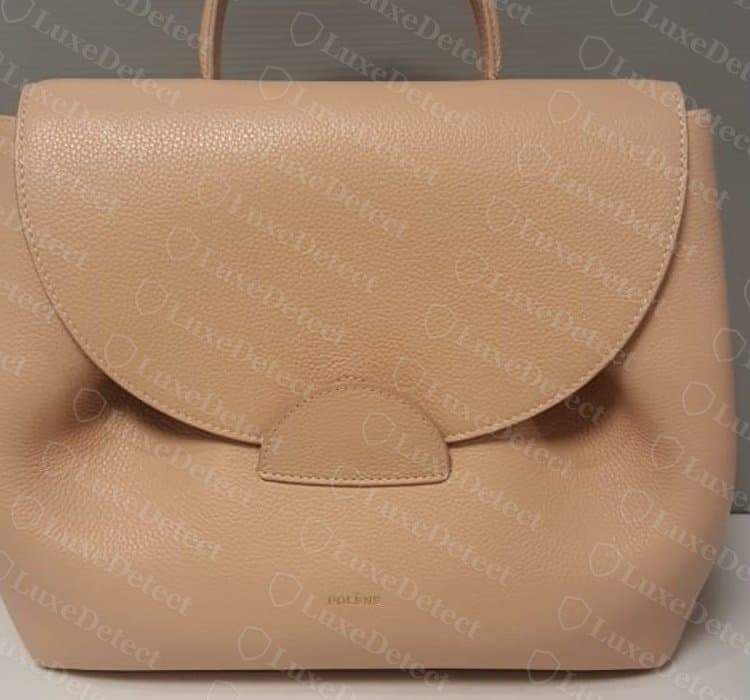
This is the most model-specific authentication marker. The Numéro Un's distinctive front feature is a leather fold that forms a raised decorative element at the front of the bag, held in place by what appears to be a leather knot or ring.
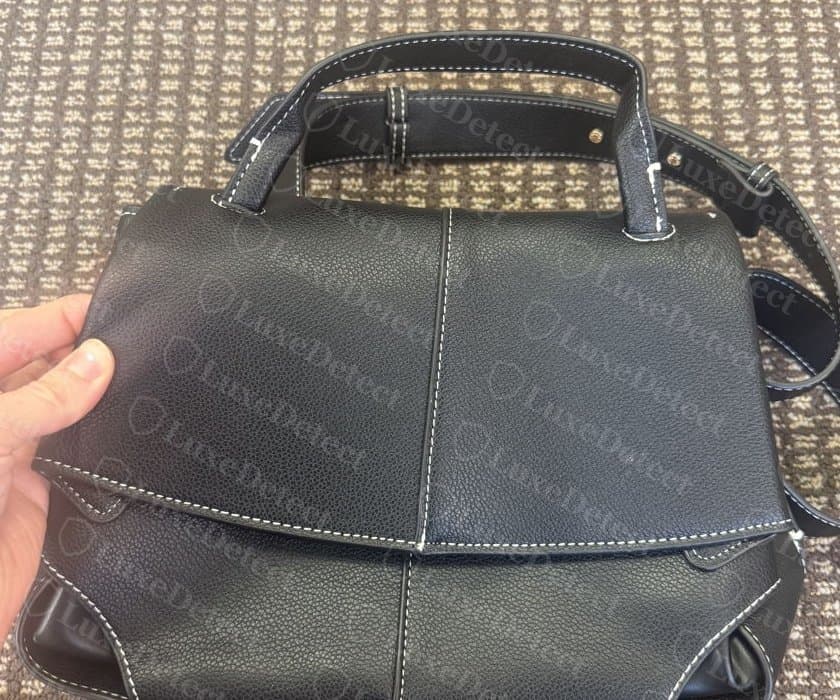
Red flag
The counterfeit's front is pieced from two leather panels with a stitched centre seam running down the flap and body. The authentic Numéro Un front is cut and formed from a single panel; there is no vertical seam down the middle of the flap.
Symmetry: The fold should be precisely symmetrical — the left and right sides of the fold are mirror images. Any asymmetry in the fold construction is a fake tell.
Knot execution: The knot element (the leather ring that holds the fold) should be cleanly constructed — the leather wraps evenly with no visible rough edges, glue, or irregular stitching. On fakes, the knot detail often looks either too bulky or imprecisely formed.
Fold attachment: The fold is attached at specific points to the bag body. These attachment points should be neat and secure — no visible stitching that looks rough or out of place.
Hardware
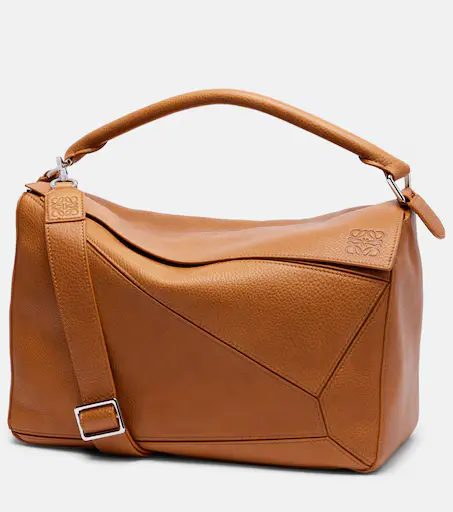
Polène hardware is notably minimal, in keeping with the brand's "quiet" aesthetic. Hardware appears as small D-rings, clips for the shoulder strap, and a small engraved hardware element on some styles. That restraint is shared by Loewe's sculptural approach on the Loewe Puzzle bag, where hardware is similarly minimal and the leather construction carries most of the authentication weight.
Finish: Hardware finish is consistent across all elements — all matte gold, all silver, or all palladium depending on the version. No mix-and-match finishes on the same bag. The finish should be matte or satin — Polène does not use mirror-bright hardware.
Polène engraving: Where the Polène name appears on hardware (small clips, clasps), it's in a clean, minimal font consistent with the brand's aesthetic. Any engraving that looks rough, blurry, or differently proportioned than the brand's standard font is a fake indicator.
Weight: Hardware should feel solid — not hollow. Light hardware indicates fake metal.
Worth knowing
Hardware finish and weight need a careful comparison, and weight is a check done with the bag in hand. The embossing and printed text nearby (see the leather tag comparison below) are where font and spacing problems show most clearly.
Interior Labels and Serial System
Every authentic Polène bag has two interior identifiers:
Fabric care label: A rectangular woven label sewn into the interior lining, typically near a seam or the base of the bag. It reads "POLÈNE" and a country of manufacture. Polène genuinely makes bags in both France and Spain, so either country can appear — but the mix isn't even across models. On the Numéro Dix specifically, every genuine bag we've examined says Spain; we haven't confirmed a genuine Dix labeled France. Judge the label by its lettering and stitching, not by which country it names. Misspelled text or a poorly attached label indicates a fake.
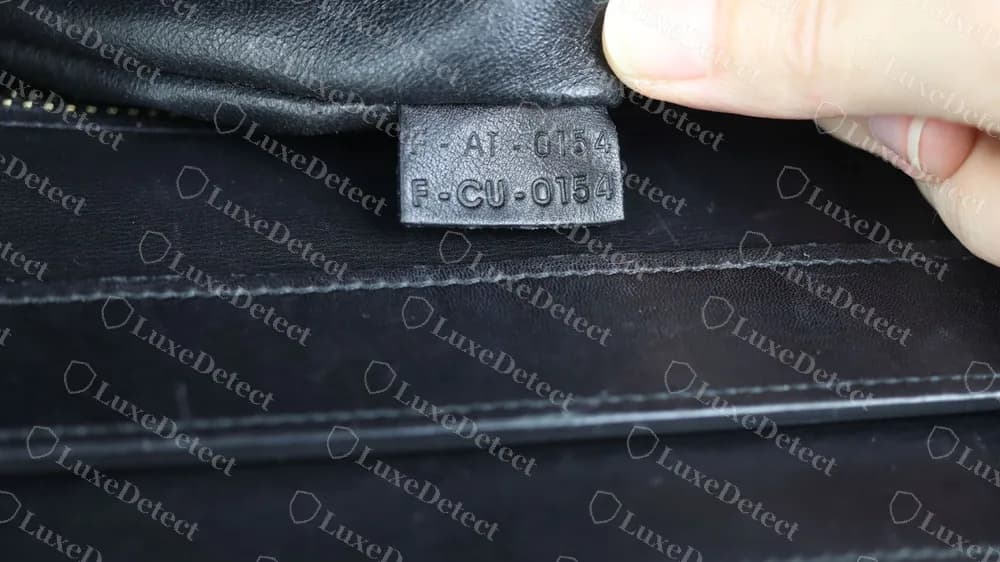
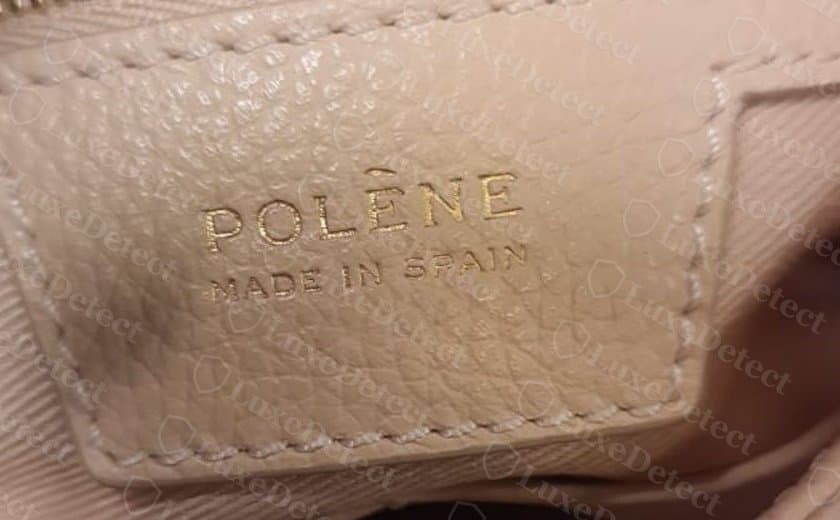
Separately, most Numéro Un and Numéro Dix bags also carry a small embossed leather tag near the zip reading "POLÈNE" and the country of manufacture.
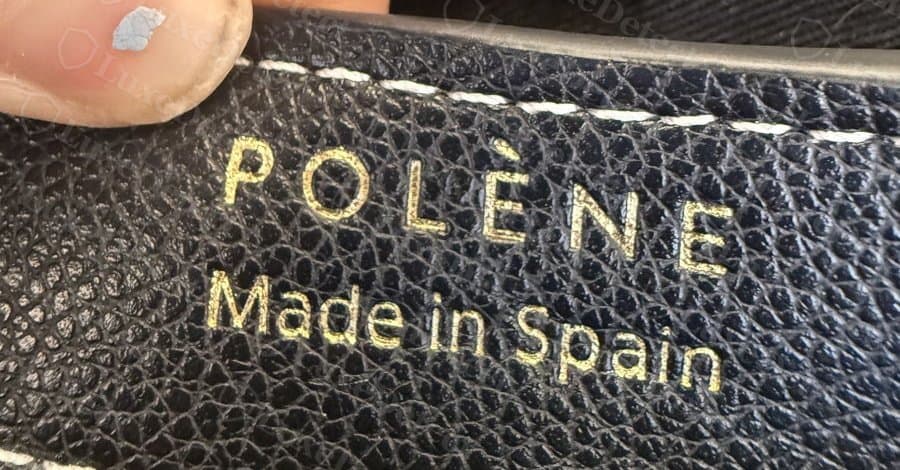
Worth knowing
"Made in Spain" itself is not the tell — Polène genuinely manufactures in both France and Spain, and Polène's all-caps "MADE IN SPAIN" styling dates to its mid-2023 rebrand, so older authentic bags may format it differently. What's worth comparing is font weight and case consistency between the two lines: on the authenticated tag both lines are the same all-caps weight; on the counterfeit "Made in Spain" is noticeably thinner and mixed-case against the bolder "POLÈNE" above it, which reads as two different stamping passes rather than one consistent die.
Serial number sticker: A small sticker on the interior lining bearing a serial code. This is one of the easier authentication points because fakes frequently either omit the sticker entirely or apply one with incorrect formatting. The sticker should be cleanly applied, flat, and consistent in appearance.
Stitching
Polène's stitching is refined and consistent with French manufacturing quality standards.
Thread color: The stitching thread typically matches the leather color — cream thread on neutral leathers, color-matched thread on colored bags. Visible contrast thread that clearly doesn't match is unusual for standard Polène production, although some models use contrast stitching deliberately (see the note below).
Stitch count: Even, tight stitching along all seams. Count stitches per centimeter — consistent, tight stitching (approximately 4–6 per cm on calfskin) indicates authentic production quality.
Stress points: Examine the handle attachment points and the base of the bag. These should show reinforced, clean stitching. Any loose threads, visible glue, or rough construction at stress points is inconsistent with authentic manufacturing.
Worth knowing
Thread color matching leather is the norm, but it's not universal — Polène ships some models with deliberate contrast stitching. Judge stitching on evenness and tension, not color alone; see the leather panel comparison in section 1 for what a genuine seam looks like next to a counterfeit one.
Packaging
New Polène bags come in specific packaging:
- White cotton dust bag with the Polène wordmark printed in a clean serif font (not the geometric sans-serif used on some third-party listings)
- Cardboard box with Polène branding
- Instruction and warranty card
On secondary markets, the packaging may or may not be present. Absent packaging on a pre-owned bag is normal. But if the packaging is present, the dust bag wordmark and the box branding should match the current Polène brand standards.
Worth knowing
Packaging is context, not evidence. A correct dust bag proves nothing about the bag inside it; a missing one on a pre-owned listing proves nothing about authenticity either. Use it only to cross-reference against the bag, never as a standalone pass.
Where This Guide Is Limited
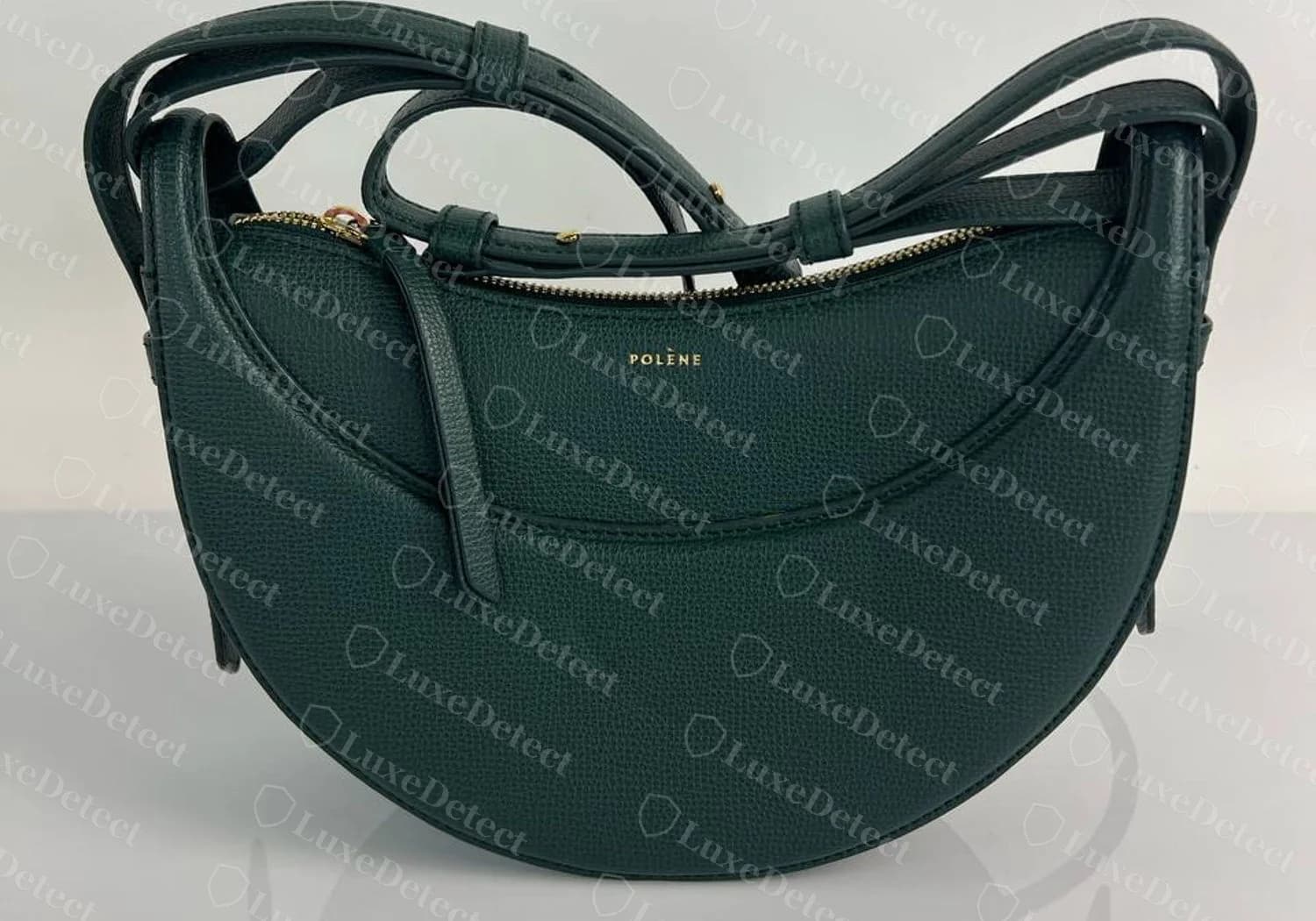
This revision adds real comparison photography, but the photo pool behind it is thin: one authenticated Numéro Un (nude calfskin) and one counterfeit of the same silhouette in black. That's enough to show a genuine leather-grain, stitching, and interior-tag comparison side by side, but it is not enough to cover every colorway, every hardware finish, or the Numéro Dix and Numéro Neuf specifically. Treat the checks above as what to look for in principle; treat the photos as one worked example, not a database of every fake pattern in circulation.
Quick Authentication Checklist
- Leather — soft natural calfskin, fine irregular grain (not a uniform stamped pebble), no chemical smell
- Numéro Un front — single-panel flap and body, no stitched centre seam down the middle
- Numéro Un fold — precisely symmetrical, knot cleanly executed
- Hardware — consistent matte/satin finish, solid weight, correct Polène font
- Interior tag and care label — "POLÈNE / MADE IN SPAIN" (or France), matched font weight and case between both lines
- Serial sticker — present, cleanly applied, correct format
- Stitching — even and tight; contrast thread alone is not disqualifying, but check tension and consistency
- Handle attachment — clean, reinforced, no rough construction
Two or more failures means walk away. A stitched centre seam on a Numéro Un front, or a leather tag with mismatched font weight between lines, is on its own reason enough to ask for more photos or a professional opinion before paying.
FAQ
Does Polène manufacture only in France?
No. Polène manufactures in both France and Spain. Both are authentic manufacturing countries — "Made in Spain" on the interior label is not a red flag. What would be suspicious is a Polène bag marked as made in any other country.
What is the serial number format for Polène bags?
Polène uses an internal serial system on interior sticker labels. The format is not publicly detailed by the brand, but the sticker should be cleanly applied and the code should appear formatted consistently. On fakes, the sticker is either absent or has a format that doesn't match the established Polène convention. If you're buying on secondary markets, comparing the sticker format against reference photos from other authenticated Polène bags is a useful cross-check.
Are Polène bags worth the retail price on the secondary market?
Most Polène bags hold value reasonably well for a brand in their price tier, but they don't appreciate the way heritage luxury does. The Numéro Un in discontinued colors sometimes commands slight premiums on secondary markets. Most standard colorways trade at or slightly below retail.
Can I authenticate a Polène from photos?
Yes. The fold symmetry on the Numéro Un, the centre-seam test on its front, the leather color evenness, and the interior label format are all visible in good photos, and a stitched centre seam decides a Numéro Un on its own. The leather texture (tactile) and hardware weight (tactile) are checks done with the bag in hand, and they matter most when you compare against a verified genuine bag. For transactions above $200–$300, professional authentication adds meaningful confidence.
How do I tell genuine Polène calfskin from fake leather?
Authentic calfskin has a fine, consistent natural grain that looks three-dimensional — the grain is part of the leather surface, not printed on top. Fake leather often uses grain that looks either perfectly uniform (stamped pattern) or sits on the surface rather than being part of the material. Press the leather: authentic calfskin yields gently and recovers. Fake leather is typically either too stiff or too pliable in a plasticky way.