Luxury Handbag Authentication Specialist
Handbag authentication specialist. Has reviewed submissions across Hermès, Chanel, Louis Vuitton, and Dior since 2019.
Last updated September 2026 · Published May 2026 · Contact
About This Bag
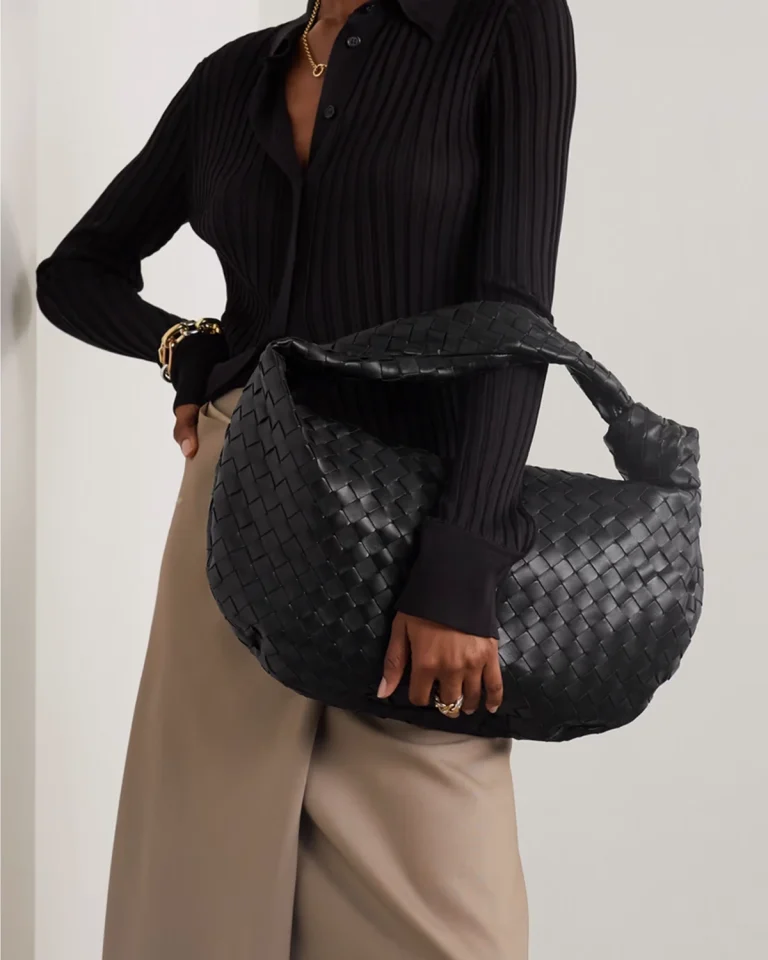
The Bottega Veneta Mini Sardine gets its name from the fish-shaped metal handle — Matthieu Blazy's rework of the brand's iconic Hobo, with a sculptural top handle added. Some attribute the "sardine" form to a reference to Constantin Brancusi's sculpture *Bird in Space*, though whether that's intentional or coincidence remains an open question.
What isn't open to question is that it's one of the most counterfeited current Bottega pieces. It shares its intrecciato leather body and no-logo philosophy with the rest of the house's current lineup, but the fish handle and its knotted cord attachment are unique to this bag and are where most authentication effort should go.
What to check, ranked by reliability
| Checkpoint | Reliability | What it tells you |
|---|---|---|
| 1. The Leather Cord Knot | ★★★★★ | A visible inner seam on the cord knot is close to decisive — the clean, hidden-seam knot is hard for fakes to replicate. |
| 2. Intrecciato Leather — Sheen and Depth | ★★★★★ | A real signal but lighting and photo angle can distort it heavily — judge across the whole bag, not one crop. |
| 3. The Magnetic Clasp | ★★★★★ | Weak closure strength is a quality signal but varies with wear and temperature, not decisive alone. |
| 4. Interior Brand Stamp | ★★★★★ | Stamp depth varies by model and season — a supporting check, not the standalone proof an earlier version of this guide claimed. |
Where This Guide Is Limited
The authentication photos in this guide come from a small set of professionally examined submissions rather than a large reference archive — treat the specific tells below as a starting point, not an exhaustive checklist. If a bag passes every check here but the price or seller circumstances still feel wrong, that instinct is worth listening to, and a professional second opinion is inexpensive relative to the bag's value.
The Leather Cord Knot
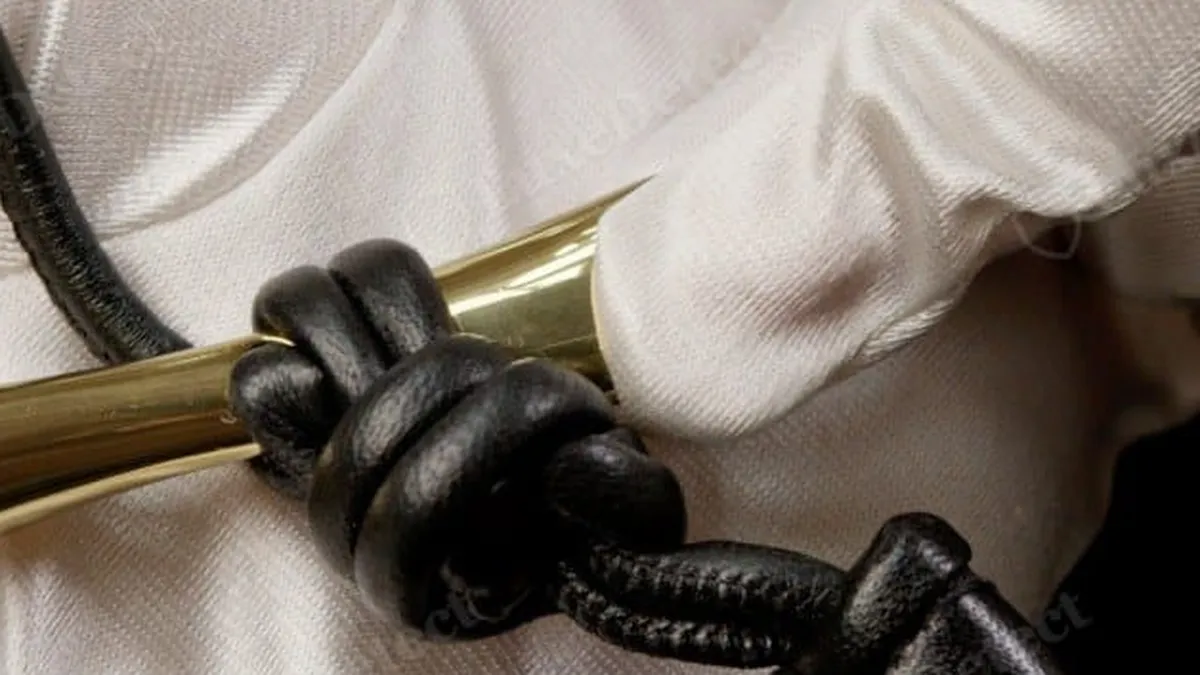
The handle is attached to the bag body via a leather cord that threads through the fish and ties in a knot. This is one of the clearest and most diagnostic points on the bag, because it requires real technique to execute cleanly.
| Detail | Authentic | Counterfeit |
|---|---|---|
| Inner seam | Completely hidden inside the knot | Exposed, visible from outside |
| Finish | Clean, closed, no raw edges | Bulky, unfinished-looking |
Red flag
If the inner seam of the cord knot is visible from the outside, that is a strong tell — the authentic knot is tied so the seam is fully concealed, and replicating that construction cleanly is one of the harder details for counterfeiters to get right.
Intrecciato Leather — Sheen and Depth
Bottega Veneta's signature intrecciato weave is the body of the bag. Leather quality here is one of the harder things for a counterfeiter to fake convincingly, because it depends on the grade of leather used, not just the weave pattern.
What to look for: Genuine nappa or lambskin intrecciato has a soft sheen that shifts as you move the bag under light — each woven strip catches light slightly differently, giving the surface visible depth. Cheaper leather used in replicas tends to sit flatter under light, with less variation panel to panel, though this is a matter of degree rather than an absolute rule, and lighting conditions in a photo can exaggerate or hide the effect.
Worth knowing
Sheen is a real and useful signal, but judge it across the whole bag under consistent lighting rather than from a single close-up crop — a single photo can make a genuine matte-leather colorway look artificially flat, or a glossy fake look convincingly rich.
The Magnetic Clasp
The Sardine's closure is a magnetic flap.
Closure strength: A genuine, well-made magnetic closure closes with clear, positive resistance and a firm snap. A closure that requires almost no effort to open, with a weak or "mushy" magnetic pull, is a quality signal worth weighing alongside everything else — though magnet strength alone shouldn't decide a verdict, since it can vary with wear and temperature.
Magnet profile: On genuine Bottega hardware, magnetic elements tend to sit flush and integrate discreetly into the leather rather than protruding or looking bolted-on.
Interior Brand Stamp
Inside the bag, the brand stamp reads "BOTTEGA VENETA / MADE IN ITALY," heat-stamped into a leather tab in the house's proprietary lettering.
What to look for: Clean, evenly struck lettering with correct proportions and consistent stamp depth across every letter. Bottega's stamping is deliberately restrained rather than deeply pressed — but stamp depth is known to vary somewhat across models, seasons, and leather thickness, so treat a lightly-impressed stamp as a good sign rather than proof, and a heavier impression as worth a closer look rather than an automatic fail.
Worth knowing
We corrected our earlier framing of this check: a previous version of this guide claimed deep stamping is decisive proof of a fake specifically for the Sardine. That claim was stronger than the evidence supports — stamp pressure is a real quality signal but not a verified hard rule for this model, so we've downgraded it here to a supporting check rather than a standalone verdict.
Quick Authentication Checklist
- Examine the leather cord knot — the inner seam should be fully hidden.
- Check intrecciato sheen and depth across the whole bag under consistent light.
- Test the magnetic clasp for firm, positive closure.
- Read the interior stamp for even, correctly proportioned lettering.
- Weigh all of the above together — no single photo-based check should carry the full verdict.
A visible seam in the cord knot is, on its own, close to decisive. Everything else here is a supporting signal best combined with in-person inspection or a professional opinion.
When to Get a Professional Opinion
The Mini Sardine is a current, high-demand, actively counterfeited bag, and this guide draws on a limited set of examined examples rather than a large photo archive — it's a starting point, not a replacement for expert eyes on a specific bag. If you're buying above a few hundred dollars from a private seller, get a second opinion before the money moves. LuxeDetect authenticates handbags from $25 with a Certificate of Authenticity delivered digitally.
FAQ
What's the most reliable single tell for the Mini Sardine?
The leather cord knot at the handle attachment. A genuine knot fully conceals its inner seam; a visible seam from the outside is a strong indicator of a fake, because that construction detail is difficult to replicate cleanly.
Is intrecciato sheen really a reliable tell?
It's a useful signal, not a standalone proof. Genuine nappa or lambskin intrecciato tends to show more light-catching depth than lower-grade replica leather, but lighting and photo angle can distort this substantially — judge it across the whole bag in consistent light rather than from one photo.
Does a deeply pressed interior stamp always mean the bag is fake?
No — we corrected this claim from an earlier version of this guide. Stamp depth varies across Bottega Veneta models, seasons, and leather thickness. A lightly impressed stamp is a good sign, but a heavier impression on its own isn't proof of a fake; weigh it alongside the other checks.
Can the cord knot be re-tied after purchase?
In theory, but the original knot's construction — with the inner seam positioned away from the visible surface — requires specific technique. A re-tied knot on a pre-owned bag that exposes its seams may simply indicate it was re-knotted rather than that the bag is fake. Evaluate this alongside the other authentication points, and in person if possible.
How does the Sardine compare to the Jodie for authentication difficulty?
Both share Bottega's no-logo philosophy and intrecciato construction, so leather and weave checks carry over. The Sardine's fish handle and cord knot are unique to it and are the more diagnostic checks; the Jodie's knotted top handle and zipper hardware are its equivalent distinctive points. See our Bottega Veneta Jodie authentication guide for that model specifically.