Luxury Jewelry Authentication Specialist
Authentication analyst covering the resale market, marketplace verification programs, and counterfeit trends.
Last updated September 2026 · Published July 2026 · Contact
Why Mikimoto Authentication Centers on the Pearl Itself
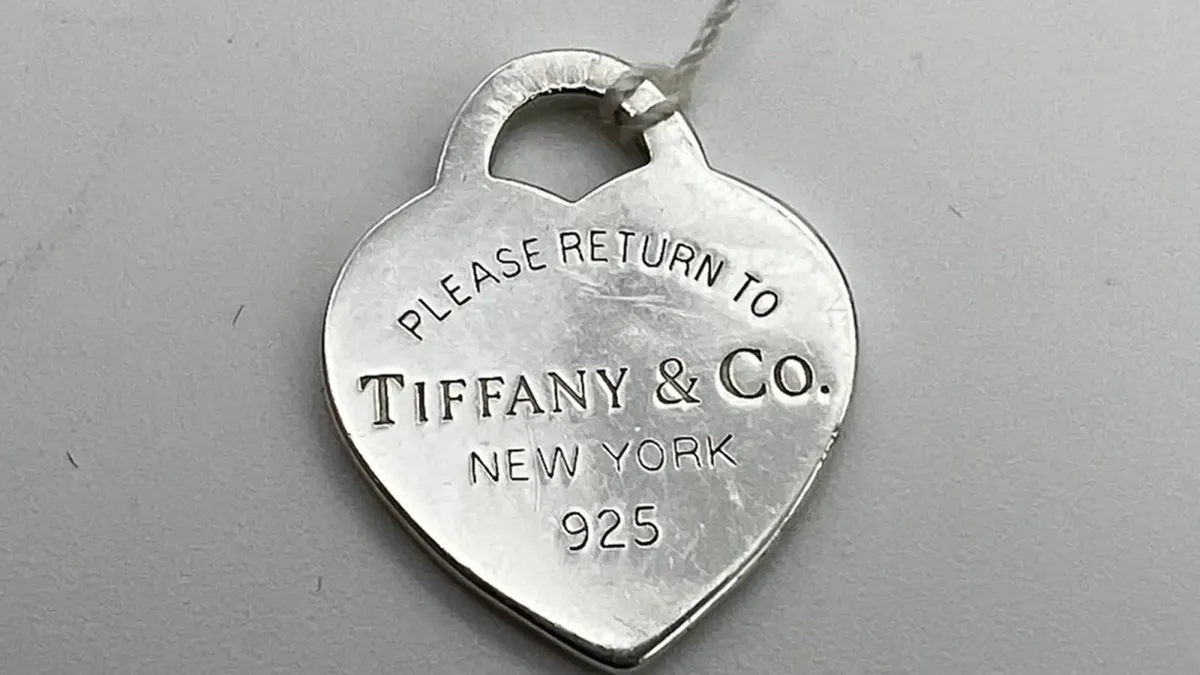
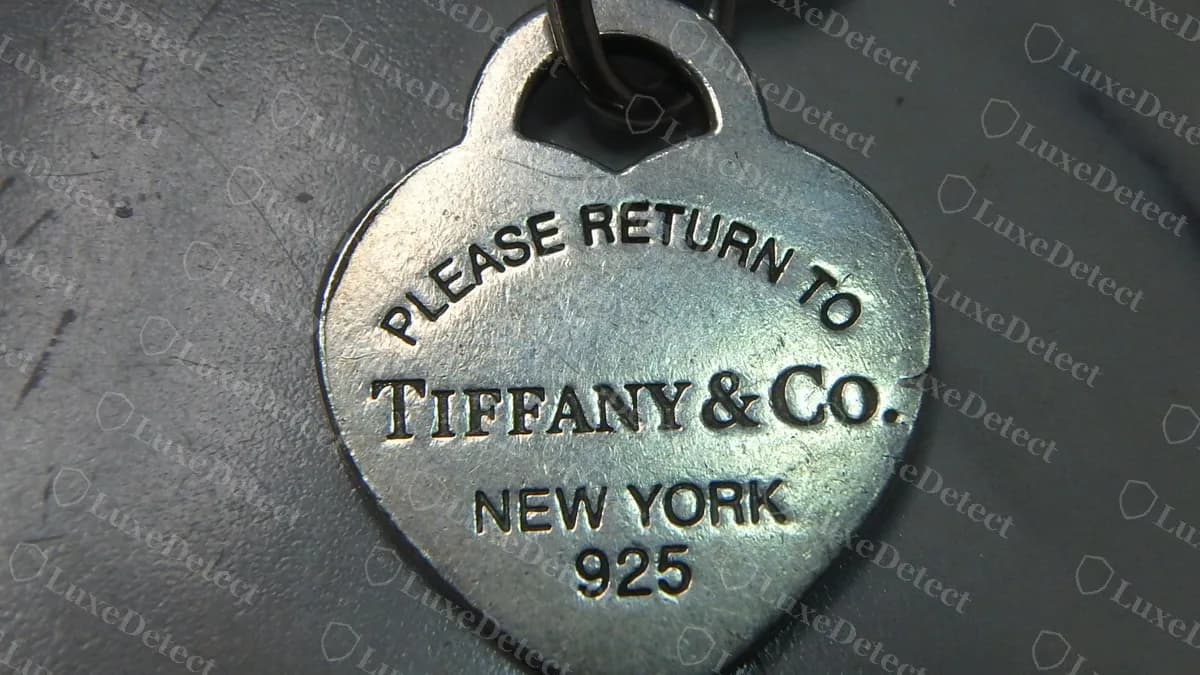
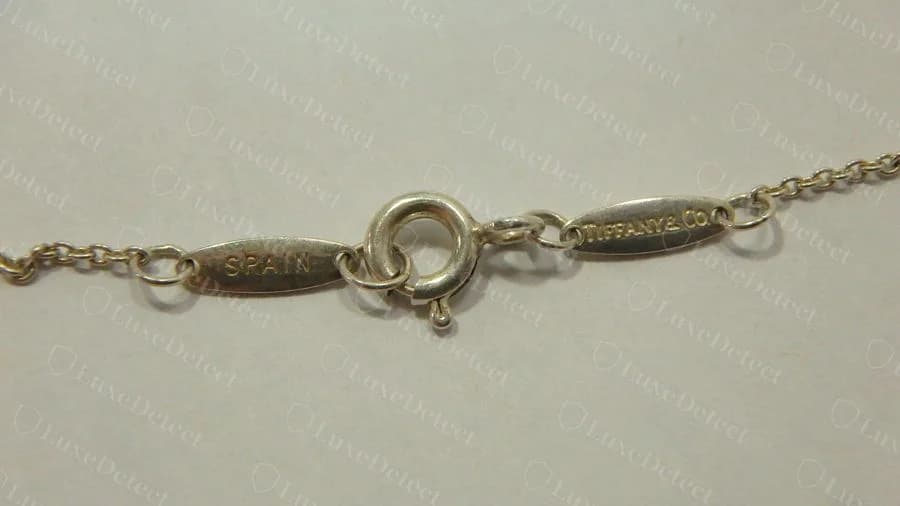
Mikimoto, the brand credited with pioneering cultured pearls, sells largely on pearl quality — luster, surface cleanliness, shape, and matching across a strand. Unlike a logo-driven counterfeit, the biggest risk with Mikimoto isn't always a fake setting; it's a genuine-looking piece using lower-grade pearls than the price implies. Both risks need checking, much as stone-first brands like Tiffany require verifying the material, not just the mark.
That is what makes Mikimoto different to authenticate: the pearl is the product, so the deciding check is a grading assessment, not a hallmark hunt. A genuine signed clasp on a strand of dull, blemished pearls is a real and common resale trap — the clasp authenticates, the pearls do not, and the pearls are where the money is.
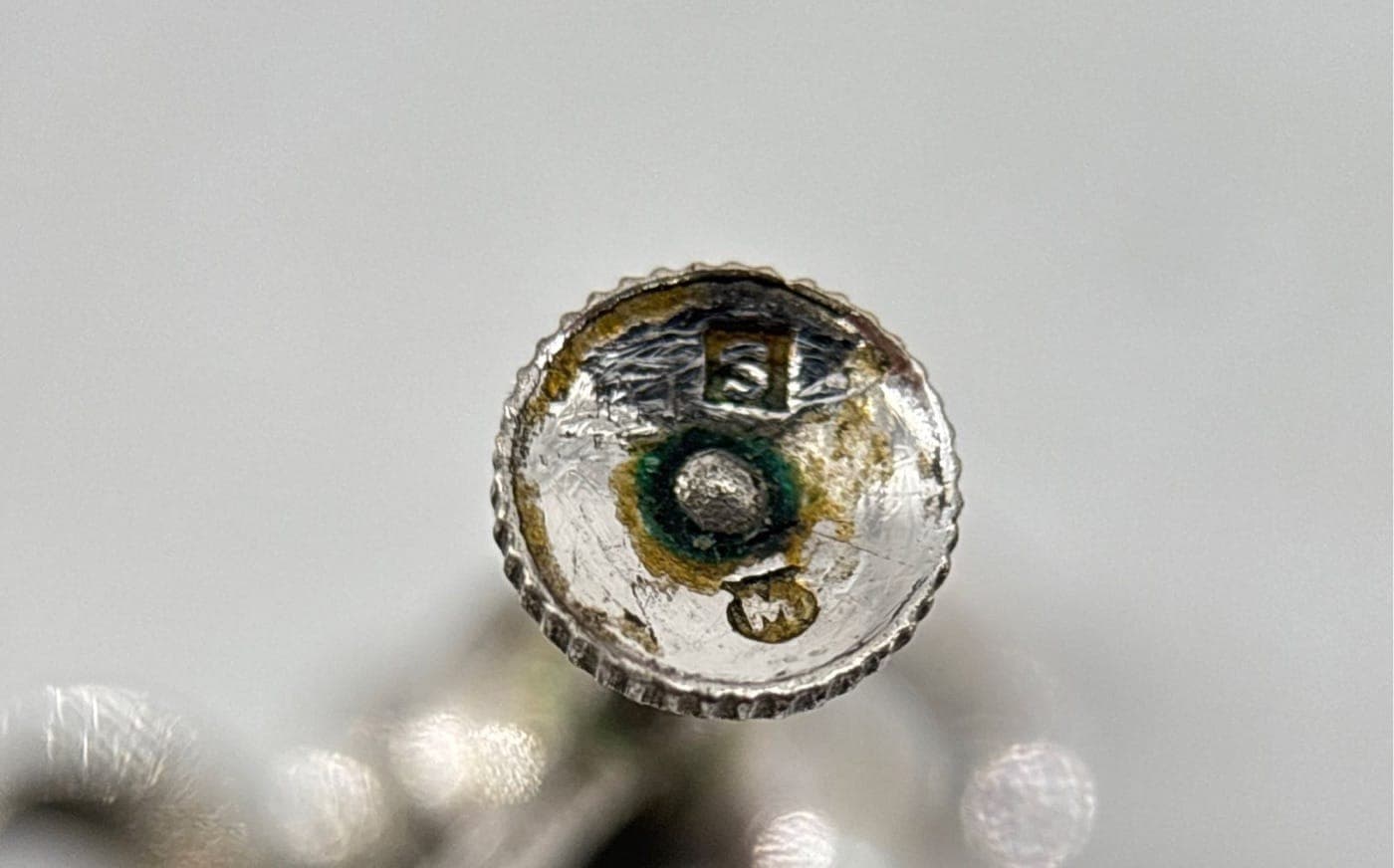
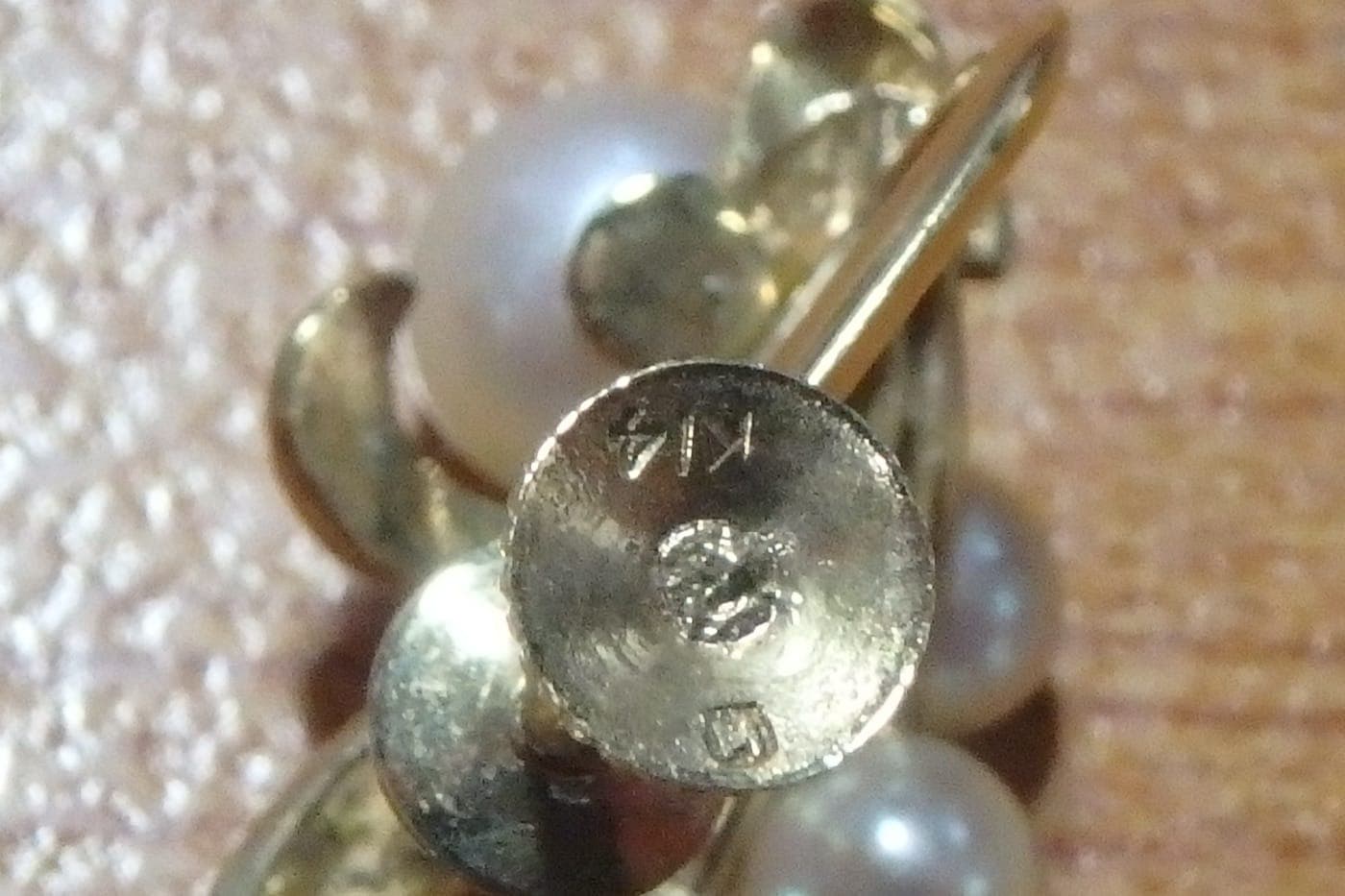
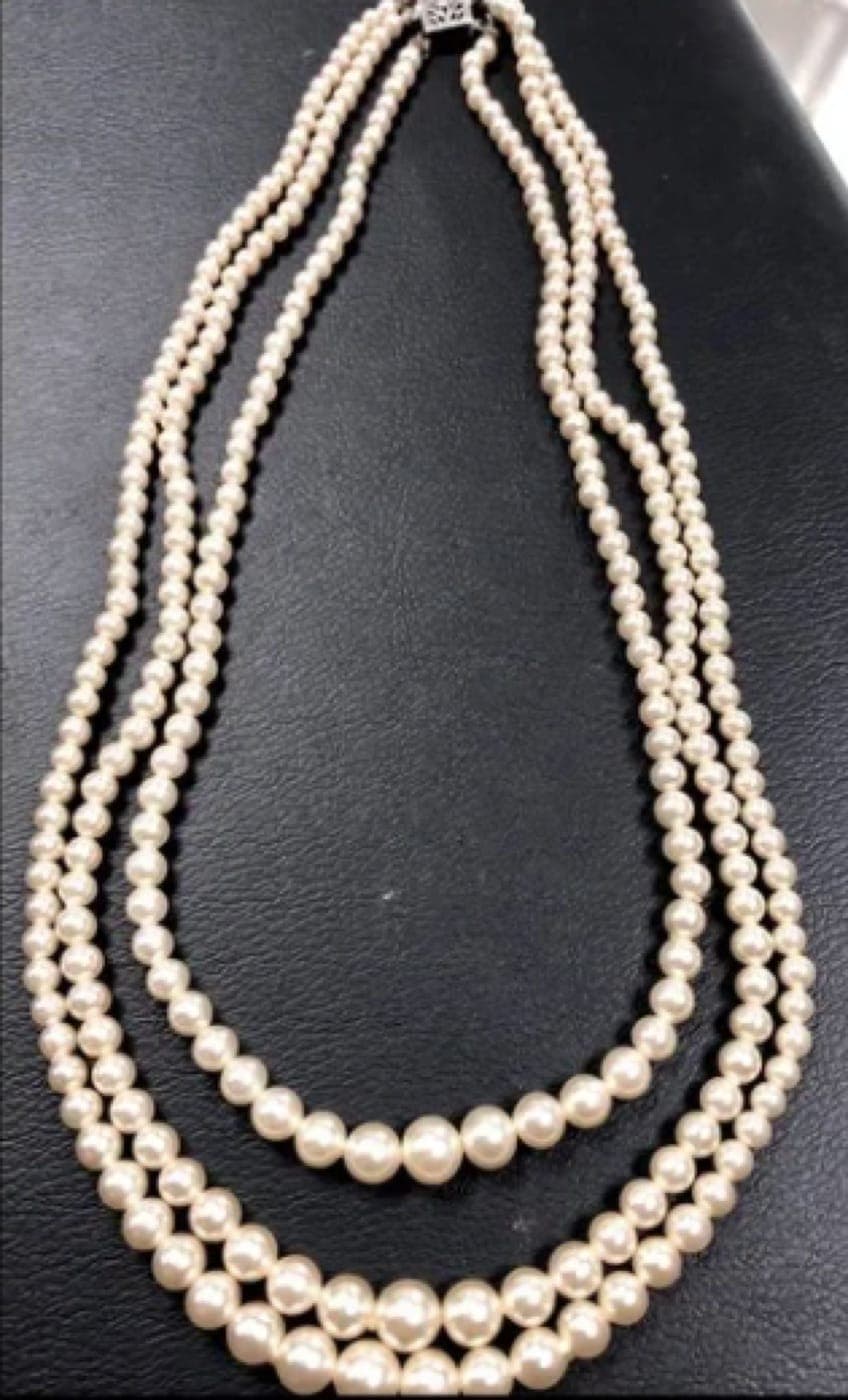
The photographs in this guide are counterfeit Mikimoto pieces submitted for authentication — a three-strand faux-pearl necklace and two pairs of foliate screw-back earrings, one sold as silver and one stamped "K14" gold. They fail on the same points, and the fastest of those is one the checks below now lead with: the metal.
What to check, ranked by reliability
| Checkpoint | Reliability | What it tells you |
|---|---|---|
| Metal and Corrosion — The Fastest Check | ★★★★★ | Green verdigris on metal sold as silver or gold means plated base metal and a false stamp. |
| Pearl Quality — Luster and Surface | ★★★★★ | The pearl is the product; luster that varies across a strand fails Mikimoto grade. |
| The Quality Mark and Signature | ★★★★★ | A blurred clasp mark is a strong tell, but a genuine clasp can hide swapped pearls. |
| Certification and Documentation | ★★★★★ | A verifiable certificate is a strong signal; its absence alone is not proof of a fake. |
| Clasp Construction | ★★★★★ | A flimsy single-mechanism clasp contradicts Mikimoto build standards on premium strands. |
Metal and Corrosion — The Fastest Check
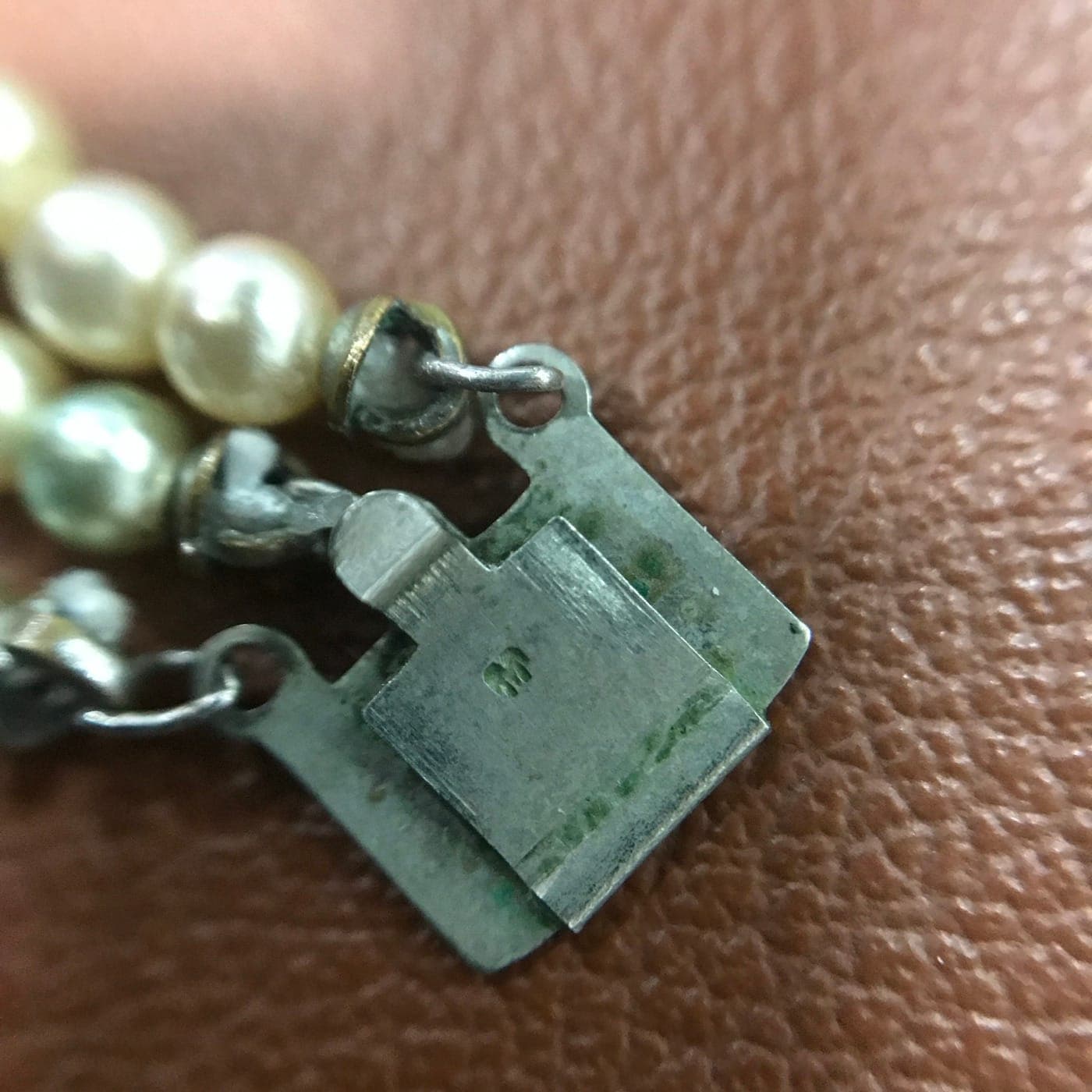
Mikimoto mounts pearls in sterling silver, or in 14k or 18k gold. None of those metals corrodes green. Verdigris — the pale green or blue-green crust that forms on copper and brass — cannot appear on a genuine Mikimoto setting, because there is no copper alloy in it to oxidise.
What to look for:
- Green or blue-green crust anywhere on the metal — clasp, jump rings, earring posts, screw fittings, the drill-hole cups the pearls sit in
- A "gold" or "silver" piece where the metal has gone dull grey-green in recesses
- Base-metal colour showing through at wear points on a piece described as solid
Red flag
Green verdigris on metal sold as silver or gold. Neither metal contains the copper needed to corrode this way, so the piece is plated base metal and the purity claim — including a "925" or "K14" stamp — is false. This ends the inspection before you reach the pearls.
Pearl Quality — Luster and Surface
Mikimoto's pearls are selected under a strict internal grading standard well above typical commercial cultured pearl grading.
What to look for:
- Luster: A genuine Mikimoto pearl reflects light with a sharp, almost mirror-like brightness — you should be able to see a crisp reflection of a light source on the surface, not a dull glow
- Surface: Minimal blemishes, pitting, or bumps. Mikimoto's grading standard rejects pearls with visible surface flaws that many other brands would accept
- Matching (for strands): On a necklace or bracelet, every pearl should match closely in color, size, and luster — visible inconsistency across a strand is unusual for genuine Mikimoto and more common on lower-grade substitutes
| Element | Authentic (Mikimoto grade) | Below grade / substitute |
|---|---|---|
| Luster | Sharp, near-mirror; a crisp reflection of the light source | Soft, milky glow with no defined reflection |
| Surface | Minimal blemishes, pitting or bumps | Visible pitting, flat spots, ridging |
| Strand matching | Colour, size and luster consistent pearl to pearl | Visible drift in tone or luster along the strand |
| Overtone | Subtle rosé or silver overtone on the body colour | Chalky white with no overtone, or a dyed cast |
Red flag
A strand where luster varies visibly pearl to pearl. Mikimoto's grading rejects mismatched pearls, so an uneven strand behind a genuine clasp means the pearls were swapped or the piece was never Mikimoto-grade — and the pearls carry the value.
The Quality Mark and Signature
Genuine Mikimoto pearls, particularly in strand form, are sold with a proprietary quality mark system and often a signed clasp.
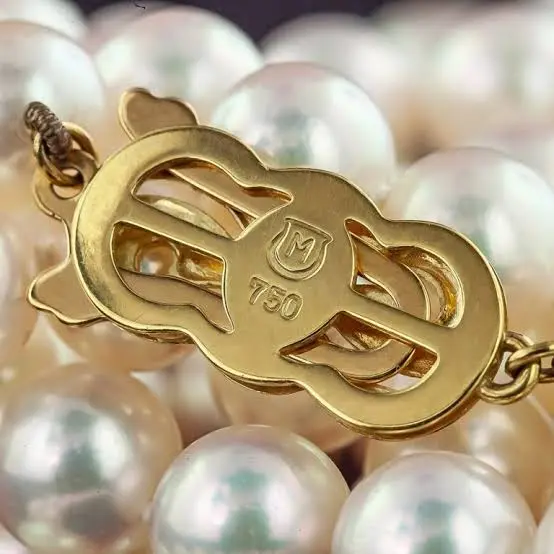
- Strands typically include a certificate referencing the specific grading and a clasp stamped with "Mikimoto," "M," or "M Kokichi Mikimoto" depending on the era and collection
- The clasp stamp should be cleanly engraved with sharp, consistent lettering
- Loose or single-pearl pieces (rings, earrings) carry a metal purity hallmark (such as 925 for sterling silver, 585 for 14k gold or 750 for 18k gold) alongside the Mikimoto mark on the setting
| Element | Authentic | Counterfeit |
|---|---|---|
| Clasp stamp | "Mikimoto", "M", or "M Kokichi Mikimoto" for the era, cleanly engraved | Blurred, shallow, or a generic maker's mark |
| Lettering | Sharp, consistent character width | Uneven spacing, wrong letter proportions |
| Metal hallmark (loose pieces) | A purity mark such as 925, 585 or 750 beside the Mikimoto mark | Missing, or a purity the setting cannot be |
Worth knowing
The clasp mark authenticates the clasp, not the pearls. Counterfeiters and unscrupulous resellers pair genuine signed clasps with lower-grade strands, so a correct stamp raises confidence in the mounting only — grade the pearls separately, the same clasp-versus-content distinction that matters when authenticating [Chanel CC earrings](/blog/authenticate-chanel-cc-earrings-guide).
Certification and Documentation
Mikimoto strands, especially higher-value ones, come with a grading certificate specific to that piece. This is one of the strongest authentication signals available:
- Cross-reference any certificate number against Mikimoto's own verification process where available, or have it verified by a qualified gemologist
- A strand sold significantly below typical Mikimoto resale pricing with no certificate and no verifiable clasp mark warrants real caution
| Element | Authentic | Counterfeit / repriced |
|---|---|---|
| Grading certificate | Present for higher-value strands, references that specific piece | Absent, generic, or references a different piece |
| Certificate number | Cross-references via Mikimoto or a qualified gemologist | Unverifiable, or a number that doesn't resolve |
| Price vs. documentation | In line with Mikimoto resale for the grade | Well below resale, no certificate, no verifiable mark |
Clasp Construction
Mikimoto clasps are precision-made, typically in gold or sterling silver, with a secure double-safety mechanism on higher-value strands.
- The clasp should open and close smoothly with a positive, secure click
- Engraving on the clasp should be crisp, not shallow or blurred
- A flimsy, single-mechanism clasp on a piece claimed to be a premium Mikimoto strand is inconsistent with the brand's construction standards
| Element | Authentic | Counterfeit |
|---|---|---|
| Metal | Gold or sterling silver, precision-made | Base metal, light and thin |
| Mechanism | Smooth positive click; double safety on higher-value strands | Flimsy single mechanism, vague action |
| Engraving | Crisp | Shallow or blurred |
| Drill holes | Clean, centred, pearls seat flush to the knots | Ragged holes, pearls sit crooked on the thread |
Worth knowing
A single pearl can also be checked directly: rubbed gently against a tooth, a real (nacre) pearl feels faintly gritty; an imitation feels glassy-smooth. It is a field test, not a verdict, but it separates a solid-bead fake from nacre in seconds.
Quick Authentication Checklist
- Metal: no green verdigris anywhere; a "925" or "K14" stamp on corroding metal is false
- Luster: sharp, mirror-like reflection — not a dull glow
- Surface: minimal blemishes or pitting across all pearls
- Strand matching: consistent color, size, and luster throughout
- Clasp: cleanly engraved mark, secure double-safety mechanism, smooth action
- Certification: present and verifiable for higher-value strands
Two or more failures means walk away. A single failure on the metal (green corrosion on a solid-metal claim), on strand luster matching, or on a clasp mark that doesn't hold up under a loupe, is on its own enough to stop and get the piece graded.
When to Get a Professional Opinion
With Mikimoto, authenticating the mark is the easy half. The hard half is grading the pearls, and that is where most of a strand's value sits — a genuine clasp on off-grade pearls is a piece worth a fraction of its asking price, not a fake in the usual sense.
For any strand at a meaningful price point, a professional evaluation covers both halves: it confirms the clasp and hallmark, and it grades the pearls for luster, surface and matching against Mikimoto's standard. Photo-based authentication typically runs $30 for jewelry authentication with a 24-hour turnaround; for pieces where pearl value dominates, an in-person gemological assessment is worth the extra step, similar to the stone-grading emphasis in our De Beers jewelry guide.
FAQ
Can a Mikimoto-branded piece have the wrong pearls?
Yes — this is one of the more common resale risks. A genuine clasp or setting can be paired with lower-grade replacement pearls after resale or repair. This is why pearl quality assessment matters independently of clasp authentication.
How is Mikimoto pearl grading different from other pearl jewelers?
Mikimoto applies an internal grading standard stricter than typical commercial cultured pearl grading, particularly on luster and surface cleanliness. This is central to the brand's premium pricing — a Mikimoto-branded strand with visibly duller luster or more surface flaws than expected should be independently evaluated.
Is it worth getting Mikimoto pearls professionally authenticated before buying secondhand?
Yes, particularly for strand pieces at higher price points, where pearl quality (not just brand marks) drives most of the value. A professional evaluation covers both the clasp/hallmark authenticity and the pearl grading itself.
My Mikimoto piece has a small green spot on the clasp — does that mean it's fake?
Very likely, yes. Mikimoto uses sterling silver and 14k or 18k gold, none of which corrodes green. Green verdigris is copper or brass oxidising, so a green spot on a piece sold as solid silver or gold means the metal is plated base metal and any purity stamp on it is false. It is one of the fastest counterfeit tells there is.