Luxury Jewelry Authentication Specialist
Authentication analyst covering the resale market, marketplace verification programs, and counterfeit trends.
Published July 2026 · Contact
Why De Beers Authentication Is Different
De Beers jewelry commands a premium not just for the metal and diamond, but for the brand's diamond-sourcing and grading claims. A fake isn't only a knockoff design — it can also be a genuine-looking setting with a lower-grade or lab-grown stone substituted for the certified diamond the listing claims. Authentication here means checking both the jewelry construction and the diamond documentation.
Hallmarks and Metal Stamps
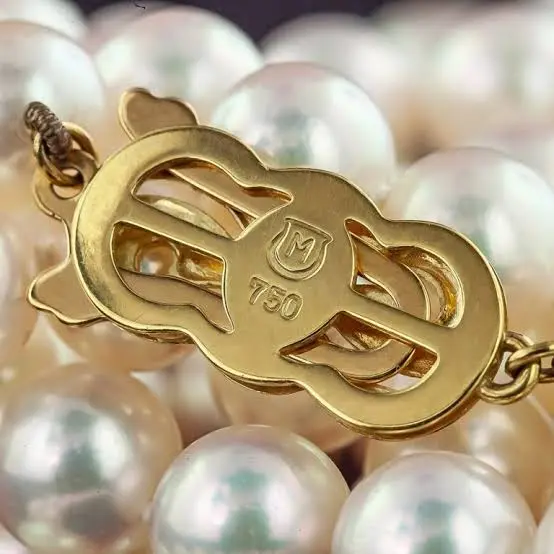
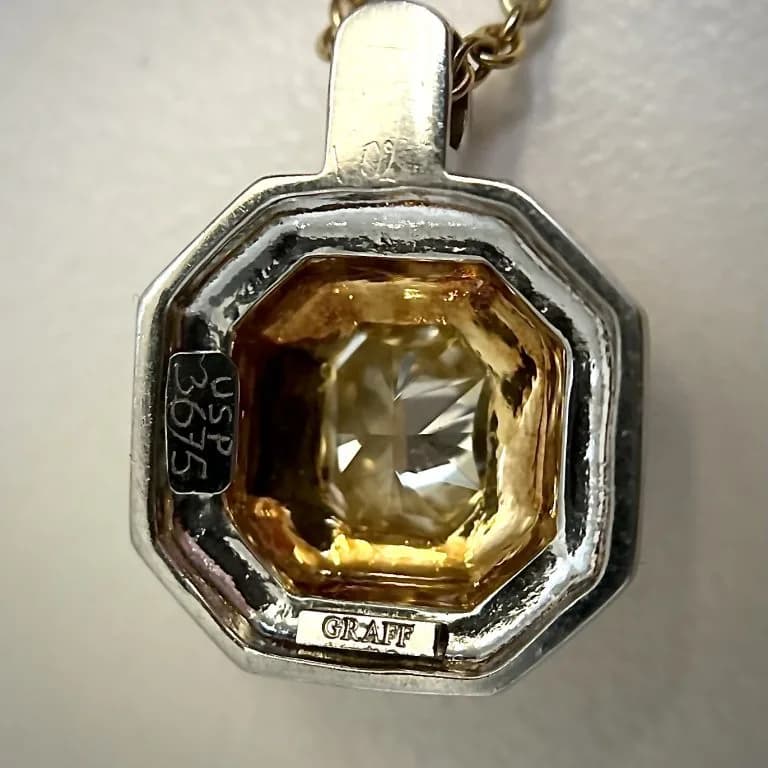
Authentic De Beers pieces carry a metal purity hallmark (750 for 18k gold, 950 for platinum) alongside a De Beers maker's mark, typically found on the inside of a ring band or the reverse of a pendant setting.
Authentic hallmarks:
- Laser-engraved with clean, sharp edges — never a shallow scratch-like stamp
- Consistent depth and spacing across all characters
- Positioned in the standard location for that piece type (inside band for rings, reverse bail for pendants)
Fake tells:
- Hand-stamped or acid-etched marks with rough, uneven edges
- Missing or incorrect purity stamp for the claimed metal
- Maker's mark in the wrong position or missing entirely
Diamond Certification
Every De Beers diamond above a certain carat weight ships with independent grading documentation (typically GIA) and, for De Beers specifically, a De Beers Certificate of Diamond Grading referencing a unique diamond identification number in some cases laser-inscribed on the stone's girdle.
- Cross-reference the certificate number against the issuing lab's public verification tool (GIA's report check is free and online)
- Under 10x magnification, check the girdle for a laser inscription matching the certificate number — not all pieces have this, but when a listing claims one, it should be verifiable
- A certificate that doesn't match the stone's stated carat, cut, or clarity on resale is a serious red flag, not a paperwork error to overlook
Setting Quality and Prong Work
De Beers settings are precision-made, with prongs that sit flush against the stone with no visible gaps and uniform prong height around the diamond.
Fake tells:
- Uneven or asymmetric prongs
- Visible solder marks or rough casting seams
- A setting that looks mass-produced rather than hand-finished — inconsistent polish, especially in hard-to-reach areas like under the head of a solitaire
Packaging and Documentation
Genuine De Beers jewelry ships with branded packaging (box, pouch) and paperwork carrying consistent typography and print quality. On resale, original packaging isn't required for authenticity, but its absence removes one useful corroborating signal — weigh other checks more heavily when it's missing.
Quick Authentication Checklist
- Hallmark: laser-engraved, correct purity stamp, correct position
- Diamond certificate: verifiable against the issuing lab's database, matching stated carat/cut/clarity
- Girdle inscription (if claimed): present and matching certificate number under magnification
- Setting: flush, symmetric prongs, no visible solder seams
- Packaging/paperwork: consistent typography, though absence isn't disqualifying alone
FAQ
Does every De Beers diamond have a certificate?
Larger stones typically ship with independent grading (usually GIA) plus De Beers' own documentation. Smaller accent stones in a piece may not carry individual certification. If a listing specifically claims a certified center stone, ask to see the certificate and verify it against the issuing lab's online lookup before buying.
Can a genuine De Beers setting have a swapped diamond?
Yes — this is one of the more common resale-market risks. A legitimate setting can have its original stone removed and replaced with a lower-grade diamond. This is why matching the certificate number to a laser inscription on the stone itself (when present) matters more than authenticating the setting alone.
Is buying De Beers secondhand risky?
Less risky than many luxury categories because the certification trail is strong when present — but that trail needs to actually be checked, not assumed. A listing with photos alone and no verifiable certificate warrants more caution than one with a certificate you can independently confirm.