Vintage Luxury & Handbag Authentication Specialist
Handbag authentication specialist. Has reviewed submissions across Hermès, Chanel, Louis Vuitton, and Dior since 2019.
Last updated August 2026 · Published April 2026 · Contact
The Protection Gap Nobody Talks About
The vintage and pre-owned luxury market has grown dramatically over the past decade. A Hermès Birkin bought in 2015 for £8,000 might be worth £30,000 today. A pre-owned Chanel Classic Flap purchased second-hand three years ago has likely appreciated further still. Yet the vast majority of these pieces sit in wardrobes with no insurance at all — or worse, covered by a generic home contents policy that caps any single item at £1,500.
This matters because a standard home contents policy was never designed for luxury goods. It caps individual item payouts at £1,500–£2,500, excludes theft outside the home, and pays market value as assessed by the insurer — not the figure you'd actually need to replace a vintage Birkin or a rare Louis Vuitton piece.
The good news: specialist luxury goods insurance exists, it's more accessible than most people assume, and getting covered is considerably easier when your items are properly authenticated.
---
Why Standard Home Insurance Isn't Enough
Most home contents policies have three critical limitations for luxury goods:
Single-item limits
Policies typically cap any single item at £1,500–£2,500 without a specific high-value declaration. Anything above that threshold requires a separately scheduled item — and many insurers don't offer this for certain categories at all.
Away-from-home exclusions
Standard contents insurance usually only covers your possessions inside your home. The moment you wear your Cartier bracelet to dinner or travel with your Louis Vuitton luggage, you're typically unprotected against theft or accidental loss.
No agreed value
Standard policies pay the "market value at the time of loss," determined by the insurer, not you. For vintage and pre-owned luxury goods that have appreciated — a pre-2000 Hermès Kelly, a vintage Chanel 2.55, a discontinued Louis Vuitton style — this almost always means a payout far below what it would actually cost to find and replace the piece.
---
What Specialist Luxury Insurance Actually Covers
A purpose-built luxury goods policy typically includes:
- Accidental damage — a scratch, a broken clasp, a cracked crystal
- Theft — at home, in a hotel, on public transport
- Loss — some policies cover accidental loss, not just theft
- Worldwide cover — protection while travelling internationally
- Agreed value — you and the insurer agree on the item's value upfront, so there's no dispute at claim time
- Restoration and repair — specialist repair costs rather than a blanket payout
What's typically excluded: wear and tear, pre-existing damage, and items left unattended in a vehicle. Always read the exclusions carefully before committing to a policy.
---
The Five Categories Most Worth Insuring
Vintage and Pre-Owned Handbags
This is where the underinsurance problem is most acute. Vintage Hermès, Chanel, and Louis Vuitton bags have appreciated dramatically — and most owners have never updated their insured value to reflect it.
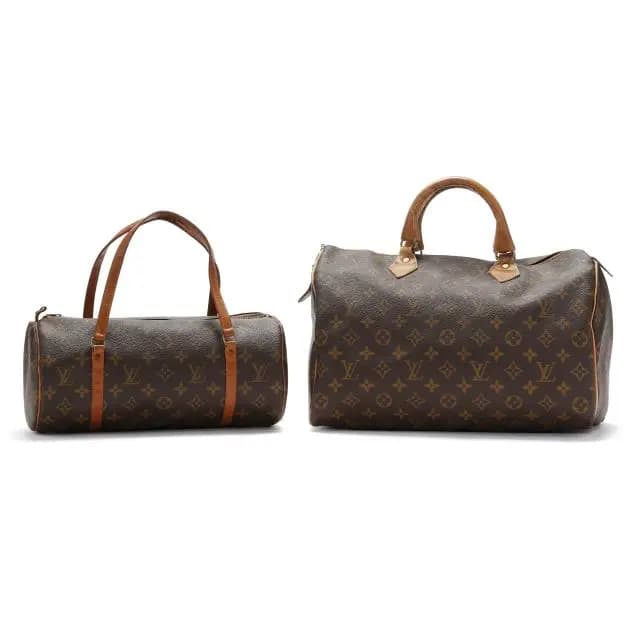
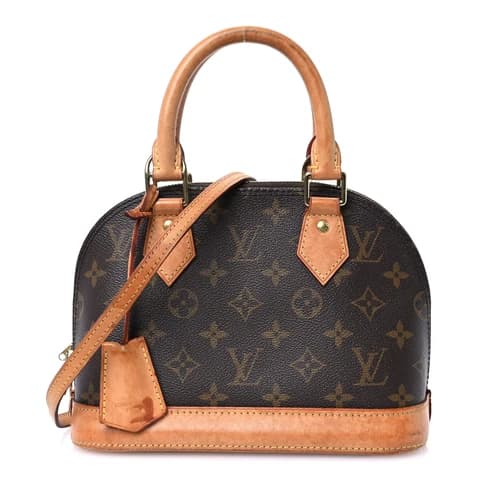
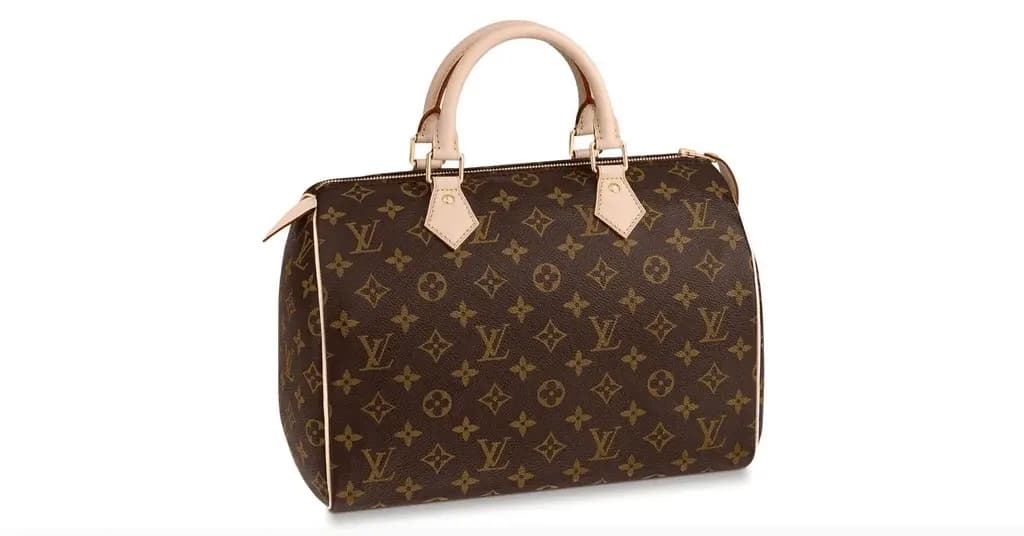
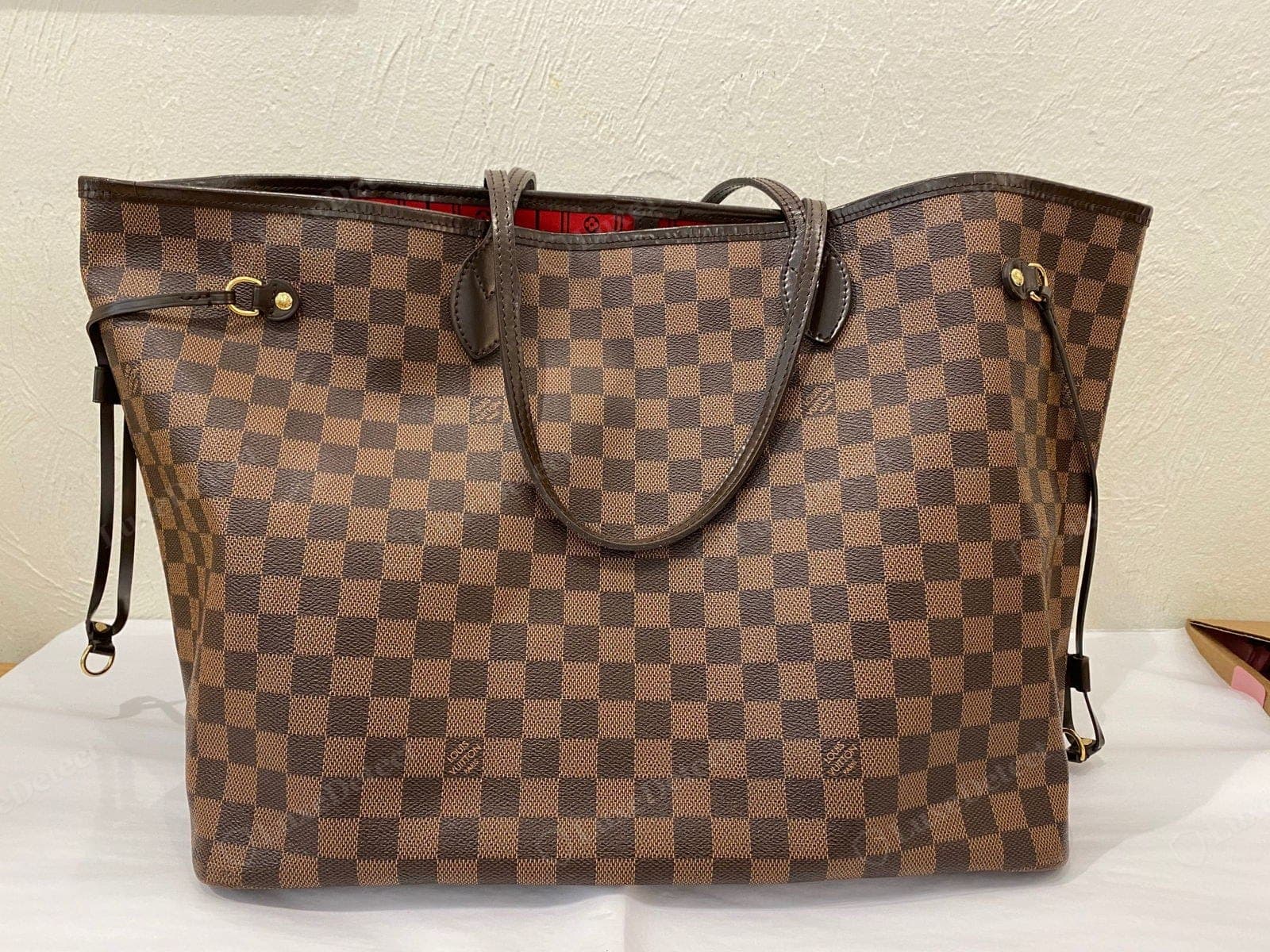
A Birkin 25 in Togo leather purchased in 2015 for £8,000 may now be worth £28,000–£35,000 on the secondary market. A pre-owned Chanel Classic Flap bought three years ago has likely appreciated 20–30%. A discontinued Louis Vuitton style — a Papillon, a vintage Alma, a pre-1990 Noé — can be genuinely irreplaceable at any price.
For vintage pieces specifically, agreed-value insurance is essential. The insurer agrees the sum insured upfront based on a current appraisal, so if the bag is stolen or destroyed, you receive the agreed amount — not the insurer's estimate of what they think a "similar" bag is worth.
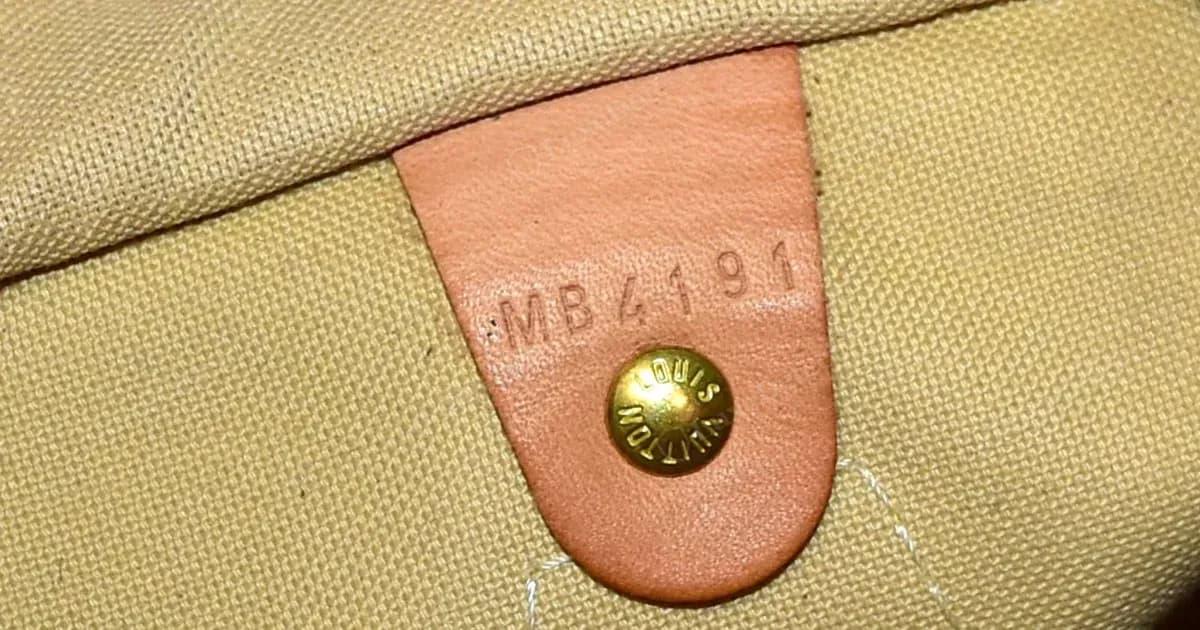
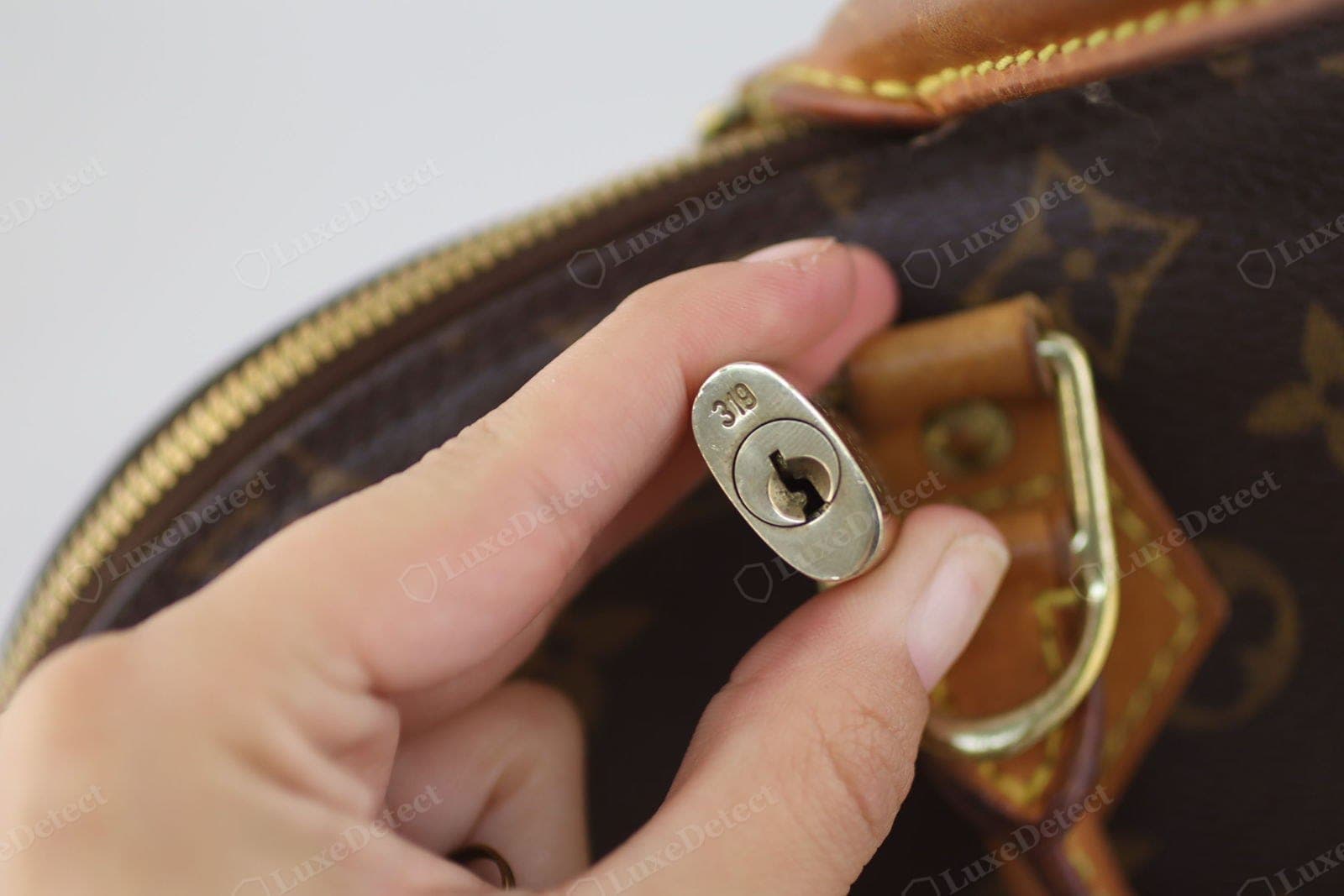
What to document: Authentication certificate, date code or serial, current market appraisal (not purchase price), high-resolution photos of all panels, hardware, and interior.
Fine Jewellery
Fine jewellery is the most commonly stolen category of personal luxury item. Rings are also highly vulnerable to accidental loss — down a drain, on a beach, in transit.
What to document: Gemological certificate (GIA, HRD, or IGI for diamonds), independent valuation, and detailed photos.
Luxury Accessories and Small Leather Goods
Scarves, belts, wallets, and small leather goods from top houses are often overlooked — but a vintage Hermès silk scarf in pristine condition or a limited-edition Gucci piece can be worth several thousand pounds. Standard policies rarely cover individual accessories at their actual value.
What to document: Authentication certificate, brand stamps, and photos.
Collectables and Limited Editions
Rare sneakers, limited streetwear, and collectible accessories have become genuine asset classes. Standard insurance typically won't touch these categories — specialist cover is the only option.
Watches
High-value watches remain a target for theft, and a damaged mechanical movement can cost thousands to service. Worth insuring, though for most LuxeDetect customers the vintage handbag and jewellery categories are the more urgent gap.
What to document: Serial number, reference number, box and papers if present, and professional authentication.
---
Why Authentication Comes Before Insurance
This is the step most people miss: insurers for high-value items want to know that what you're insuring is genuine. If you submit a claim for a £12,000 Chanel bag that later turns out to be a counterfeit, the insurer will deny the claim — and may void the policy entirely.
There are two practical reasons to authenticate before you insure:
1. Accurate valuation. A professional authentication establishes that the item is what it purports to be, which is the starting point for agreeing an accurate insured value. Without it, you're asking an insurer to take your word — which they increasingly won't.
2. Claim protection. If the item is stolen or lost and a claim is made, an insurer may require proof of authenticity as part of the claims process. Having an authentication certificate on file means that conversation never becomes a problem.
This is exactly where LuxeDetect fits. Our photo-based authentication service delivers a professional verdict and a digital Certificate of Authenticity — the document that anchors your insurance claim and establishes provenance before you even call the insurer.
---
How to Value Your Luxury Items for Insurance
Getting the insured value right matters as much as having cover at all. Underinsurance is common and leaves you out of pocket even when a claim succeeds.
For recently purchased items: Use the original purchase receipt as the baseline, then cross-reference current market prices. Luxury goods markets move fast — a bag bought two years ago may be worth significantly more today.
For pre-owned or vintage pieces: You need a current market appraisal, not the price you paid. The vintage luxury market moves independently of retail pricing — a bag that cost £3,000 pre-owned five years ago may now command £9,000 on Vestiaire Collective or The RealReal. Use current resale platform listings for the same model and condition to establish a realistic replacement figure.
For items that appreciate: Review and update your insured value every 12–18 months. The vintage handbag market in particular has moved faster than almost any other asset class. A piece insured at £6,000 two years ago that is now worth £14,000 is effectively underinsured by £8,000 — even with a valid policy in place.
---
Meet Embri: Luxury Insurance Built for How You Actually Shop
 ×
×
We've partnered with Embri to make this process easier for LuxeDetect customers.
Embri is a specialist insurtech platform built specifically for high-value items — watches, handbags, jewellery, and collectables. Unlike traditional insurers, Embri integrates directly into the buying journey and is designed for the way luxury items are actually bought and sold today: online, in boutiques, and on pre-owned platforms.
What sets Embri apart:
- Purpose-built for luxury — not a generic home contents rider, but policies designed specifically around watches, handbags, and fine jewellery
- Instant coverage — no lengthy application process; get covered at the point of purchase or any time after
- Worldwide protection — cover follows you and your items wherever you go
- Seamless claims — a straightforward process without the friction of dealing with a mainstream insurer who doesn't understand the luxury market
The LuxeDetect and Embri pairing is a natural one: we verify your item is genuine, Embri ensures it's protected. Starting with an authentication means your Certificate of Authenticity is ready the moment you apply for cover — no back-and-forth, no gaps.
Visit embri.co.uk to explore coverage options for your collection.
---
A Practical Checklist Before You Insure
Before approaching any insurer — specialist or mainstream — make sure you have:
- [ ] Authentication certificate for all significant pieces (LuxeDetect can provide this)
- [ ] Current market valuation — not purchase price, but today's replacement cost
- [ ] Serial numbers and reference numbers documented
- [ ] High-resolution photos of each item, including identifying marks, hardware, and any existing wear
- [ ] Original receipts where available
- [ ] Box and papers documented if present (significantly affects watch and handbag values)
Store copies of all documentation separately from the physical items — cloud storage or a secure email folder works well.
---
The Bottom Line
Luxury goods have never been more valuable — or more targeted by thieves. The cost of specialist insurance is modest relative to the value it protects, and the claims experience with a purpose-built provider is vastly better than fighting with a mainstream insurer who treats your Birkin like a piece of furniture.
The sequence is straightforward:
- Authenticate — confirm what you have is genuine and establish its provenance
- Appraise — establish current market value, not original purchase price
- Insure — get specialist cover that matches what you actually own
LuxeDetect handles step one. Embri handles step three. The rest is paperwork worth doing.
Related comparisons
If you're weighing options, these related breakdowns cover adjacent ground:
FAQ
Does standard home insurance cover luxury handbags?
Usually not at their full value. Most home contents policies cap single-item payouts at £1,500–£2,500, which is well below the value of almost any significant luxury bag. Items also typically need to be specifically scheduled (listed individually on the policy) to receive meaningful cover. Standard home insurance also usually excludes theft outside the home, which is where handbag theft most commonly occurs.
Do I need an authentication certificate to insure a luxury item?
Strictly speaking, no insurer will refuse a policy solely for lack of authentication. But for high-value items — anything above £3,000–£5,000 — most specialist insurers will request evidence of authenticity as part of the claims process. Providing an authentication certificate upfront avoids this problem and also protects you: if an insurer later determines the item was not genuine, the claim will be denied regardless of the premium paid.
How often should I update the insured value of my luxury items?
Every 12–18 months is a reasonable cadence for vintage and pre-owned luxury goods. The secondary market for vintage Hermès, Chanel, and Louis Vuitton pieces moves faster than most asset classes — a piece worth £6,000 when you insured it two years ago may now command £12,000 or more. Underinsurance is one of the most common and costly mistakes luxury item owners make.
What documentation do insurers typically require for luxury goods?
Most specialist insurers want: a current market valuation or appraisal (not the original purchase price), serial number or date code, high-resolution photographs of the item (all panels, hardware, interior), and an authentication certificate for pre-owned pieces. Original receipts help but are rarely mandatory, particularly for vintage items where original purchase documents are often unavailable.
Is worldwide coverage available for luxury items?
Yes — this is one of the key advantages of specialist luxury insurance over standard home contents policies. Most purpose-built luxury goods policies follow the item globally, covering theft and accidental damage whether you're traveling domestically or internationally. Confirm the exact territorial limits in the policy documents, as a small number of policies have exclusions for certain countries or regions.
What's the difference between market value and agreed value policies?
Market value policies pay what the insurer determines your item was worth at the time of loss — which can be disputed and is often lower than current replacement cost. Agreed value policies fix the insured amount upfront, based on an appraisal you and the insurer sign off on. For vintage and appreciating luxury goods, agreed value is strongly preferable: it removes ambiguity from the claims process entirely.